Recognizing and treating respiratory conditions in dogs

Cécile de Produits-Veto
Pharmacy technician ·

Respiratory conditions in dogs are common. They worry owners a great deal, because breathing is a sensitive indicator of general health. This article aims to clearly explain the causes, the signs to watch for and the possible veterinary solutions. It also presents suitable products available on Produits-Veto.com, to help owners manage these respiratory conditions in dogs.
Why is understanding respiratory conditions essential for dogs?
Importance of respiratory conditions in dogs
Respiratory conditions in dogs can be identified through various symptoms. It is essential to recognise these signs in order to act quickly.
The airways ensure the oxygenation of the body. They play a role in thermal regulation and well-being. A dog that breathes poorly tires more quickly. It may suffer from lowered immunity or an underlying condition. Better understanding these conditions therefore allows early action. This limits complications and improves quality of life.
Some breeds are predisposed, particularly brachycephalic dogs such as the French Bulldog, the Pug or the Shih Tzu. Their anatomy makes ventilation more difficult. Puppies, seniors and fragile animals should also be closely monitored.
Taking respiratory conditions in dogs seriously
It is crucial to monitor respiratory conditions in dogs, as they can lead to serious complications if not treated in time.
Causes and symptoms of respiratory conditions in dogs
Respiratory conditions cover several disorders affecting the upper or lower airways. They have varied origins: infectious, inflammatory, environmental or mechanical.
Common causes of respiratory conditions
- Viral infections: kennel cough, canine flu
- Bacterial infections: complications after a cough or a chill
- Allergies: pollen, dust mites, smoke, dust
- Parasites: lungworms
- Foreign body: a grass awn in a nostril
- Anatomical abnormalities: brachycephalic syndrome
- Heart failure: which can cause breathlessness
Signs to watch for
Certain symptoms should raise concern. They indicate respiratory discomfort, even mild.
- Dry or productive cough
- Unusual snoring
- Noisy or wheezing breathing
- Clear or thick nasal discharge
- Rapid tiredness
- Exercise intolerance
- Mouth breathing
- Cyanosis (bluish gums)
A rapid worsening, loss of appetite or listlessness require an urgent veterinary consultation.
Prevention of respiratory conditions in dogs
Preventing respiratory conditions in dogs involves simple but effective measures to ensure good respiratory health.
Recommended veterinary solutions
The choice of treatment depends on the identified cause. A visit to the vet remains essential to establish a diagnosis and adapt the care.
Most commonly used treatments
- Expectorant medications to thin secretions
- Antibiotics, only on prescription
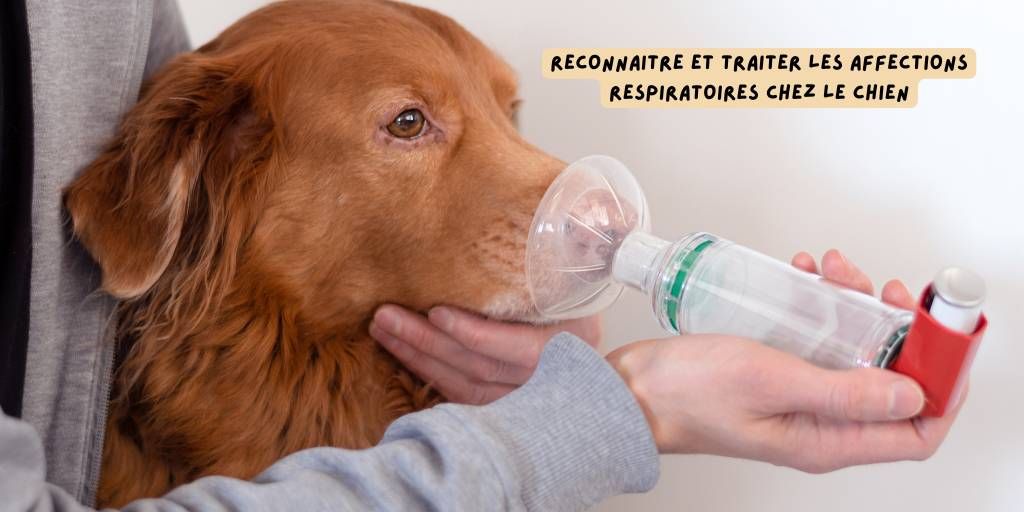
- Bronchodilators if the airways are narrowed
- Anti-inflammatories to reduce swelling
- Cough suppressants, if the cough becomes too intense
- Antiparasitics against lungworms
- Local care to moisten and soothe the mucous membranes
Produits-Veto.com offers several complementary solutions. They support breathing, strengthen airway hygiene and improve the dog's comfort.
Benefits of the associated veterinary products

Benefits for breathing:
- Provides essential vitamins to support metabolism
- Helps strengthen immunity during respiratory conditions
- Supports animals weakened after a cough or a chill
Monitoring respiratory conditions in dogs
Monitoring respiratory conditions in dogs is essential to ensure their long-term well-being and health.
Veterinary consultation for respiratory conditions in dogs

Benefits for the dog:
- Contributes to respiratory comfort
- Helps soothe irritation of the airways
- Supports recovery from minor disorders

Key benefits:
- Helps soothe irritation of the respiratory tract
- Supports healthy lung function
- Provides beneficial natural ingredients
FAQ – Frequently asked questions
What are the first signs of a respiratory condition in dogs?
The first signs of a respiratory condition in dogs often appear gradually. Coughing is one of the most common symptoms. It can be dry, hoarse, more productive or accompanied by phlegm depending on the origin of the disorder. Noisy, wheezing or irregular breathing should also raise concern, as should unusual breathlessness after moderate exercise. Some dogs also have clear, thick or purulent nasal discharge, sometimes accompanied by repeated sneezing.
Other, more subtle changes can indicate respiratory discomfort. The dog may seem anxious, tired or seek out a particular position to breathe more easily. A refusal to play, reduced activity or intolerance to heat often complete the picture. Carefully observing these signals allows early action and helps avoid worsening.
When to consult a vet in case of a respiratory problem?
It is advisable to see a vet promptly as soon as breathing becomes difficult. Persistent discomfort, a cough that lasts several days or worsens, a dog that opens its mouth to breathe or adopts a characteristic posture (stretched neck, elbows out) are warning signs. Pale or bluish gums indicate a lack of oxygen and require urgent care.
A loss of appetite, intense fatigue, sudden listlessness or noticeable respiratory noise should also prompt a consultation. Respiratory conditions in dogs can progress quickly. Early intervention always improves the prognosis and limits complications.
How to prevent respiratory conditions in dogs?
Prevention relies above all on good lifestyle hygiene. A healthy, well-ventilated environment free from cigarette smoke, dust or irritant products reduces the risk of airway irritation. Annual vaccination against kennel cough remains essential, particularly for dogs living in groups or attending boarding kennels, clubs or shows.
Regular deworming helps prevent parasitic infections that can affect the lungs. Nasal care, daily hydration and a balanced diet also support the body's natural defences. Finally, brachycephalic dogs, being more sensitive, require closer monitoring and particular attention during hot weather or physical activity.
To find out more
- Discover our dog products at the best price
- Our food supplements for respiratory conditions in dogs
- Find out more about respiratory conditions – santevet.com
When a dog shows symptoms of respiratory conditions, a veterinary consultation is essential for an accurate diagnosis. Respiratory conditions in dogs may require specific treatments, tailored to each situation. Stay alert to respiratory conditions in dogs by watching for any behavioural or physiological change. Respiratory conditions in dogs require careful monitoring and regular assessment to maintain good health.


