How to help a dog cope with stress?

Cécile de Produits-Veto
Pharmacy technician ·

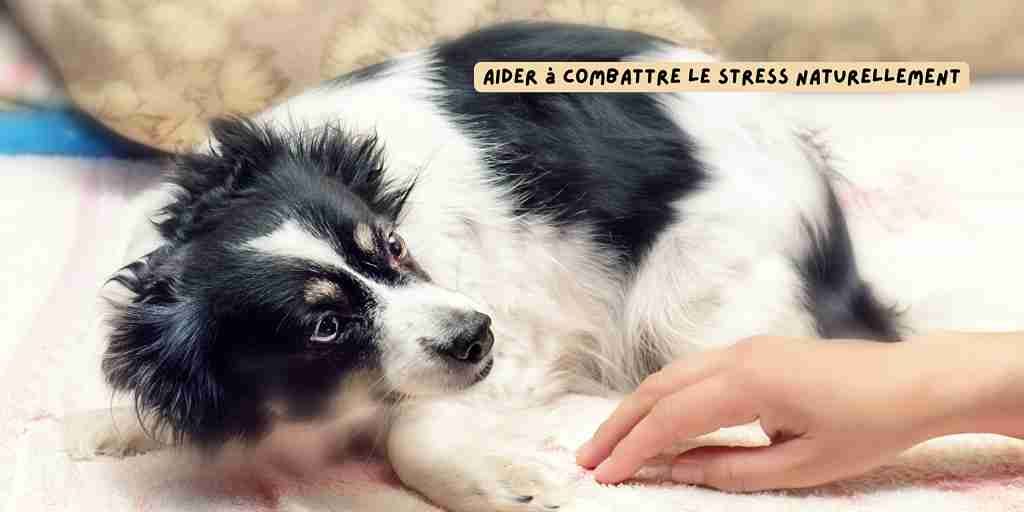
Stress affects many dogs, regardless of their age or lifestyle. Understanding the causes and adopting suitable solutions helps a companion regain calm behaviour. In this guide, we will look at how to fight a dog’s stress naturally, using gentle methods and suitable veterinary products. The aim is to support owners in preventing, identifying and treating stress in dogs.
Why is it essential to help a stressed dog?
Understanding the importance of emotional well-being in dogs
Stress affects a dog’s behaviour, appetite and general health. It disrupts sleep and can cause digestive problems. In some cases, it leads to a drop in immunity or the appearance of aggressive behaviour. Helping a stressed dog therefore becomes essential to preserve its balance.
The causes and signs of stress in dogs
Several situations trigger stress. Loud noises, prolonged loneliness or a change of environment are among the most common causes. Sensitive dogs also react to the presence of new animals, travel or their owners’ anxiety.
The most common signs are easy to spot.
They include:
- rapid panting
- trembling
- destructive behaviour
- excessive licking
- loss of appetite
- repeated whining
Identifying these signals makes it possible to act quickly and put natural solutions in place.
How to fight a dog’s stress naturally?
Several gentle methods help reduce a dog’s emotional tension. Regular walks, reinforcing routines and enriching the environment all have a positive impact. Canine massage also improves relaxation. Calming pheromones and natural supplements are effective solutions. They support emotional balance without causing drowsiness. These approaches are often recommended by vets for daily use.
Recommended veterinary solutions
Calming pheromones (DAP)
Pheromone diffusers and sprays, such as Adaptil, reproduce the natural signals sent by the mother to her puppy. They help anxious dogs during periods of change, transport or exposure to loud noises.
Natural food supplements
Calming supplements act gently. They often use valerian, passionflower or lemon balm. These plants promote relaxation without impairing alertness.
Available examples:


Anti-stress treats
Calming treats are easy to give. They combine appealing flavours with natural active ingredients. They are a practical solution for dogs that are difficult to give supplements to.
FAQ – Frequently asked questions
How to recognise stress in a dog?
Stress shows itself differently depending on the dog, but certain signs come up often.
A stressed dog may pant rapidly without physical exertion, tremble or adopt a low posture with its tail tucked in. It may also hide, refuse to eat or become hypervigilant.
Destructive behaviour, compulsive licking, whining and loss of house-training are also indicators.
The more these signs repeat, the more important it is to look for a way to fight a dog’s stress naturally or, if necessary, talk to a vet about it.
What are the most common causes of stress in dogs?
Stress often has an identifiable origin. Loud noises such as thunderstorms or fireworks create direct anxious reactions.
A change of environment, a prolonged separation or the arrival of a new animal are also triggering factors.
A lack of mental stimulation can lead to boredom, which is itself a source of anxiety.
Finally, some dogs are naturally more sensitive, especially if they have experienced trauma or lack socialisation.
When to see a vet for a stressed dog?
A vet’s opinion becomes essential when stress sets in or affects health.
If the dog stops eating, self-harms, shows aggression or has repeated diarrhoea, a consultation is recommended.
The vet checks for the absence of an underlying illness (pain, hormonal disorders, infection) and can offer behavioural support.
In some cases, they will refer the dog to a canine trainer or behaviourist.
To find out more:
- Find out more about dog stress – spa.fr
- Recognise stress in dogs – Santevet.com
- Discover our veterinary products for dogs
- All our solutions for stress and dog behaviour


