Understanding feline eczema and its skin manifestations

Cécile de Produits-Veto
Pharmacy technician ·

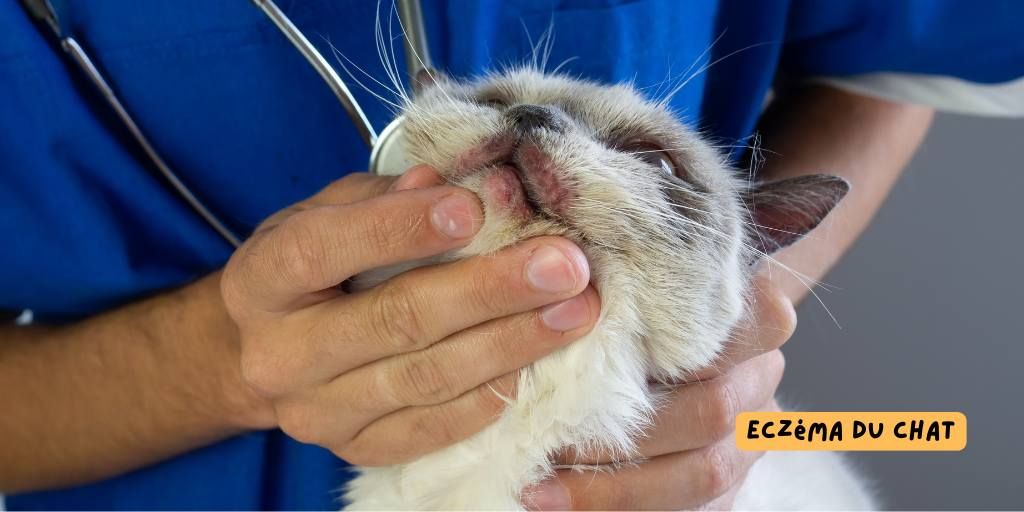
Cat eczema is an inflammatory skin condition characterised by itching, redness and skin lesions. It is not a single disease, but rather a set of skin reactions linked to skin hypersensitivity. In cats, eczema is often associated with allergic or atopic dermatitis. This condition directly affects the animal's comfort and wellbeing. Prompt management limits complications and improves the cat's quality of life.
Why is eczema in cats important for feline health?
Eczema in cats is not just a cosmetic issue. It causes chronic skin inflammation, which is a source of pain and stress. A cat that scratches excessively risks developing open wounds, which encourages secondary infections. In the long term, untreated eczema can lead to weight loss, irritability and behavioural changes. It is therefore essential to act quickly to preserve the cat's skin and immune balance.
Causes and symptoms of eczema in cats
The causes of eczema in cats are varied. They can occur alone or in combination.
Main causes of eczema in cats:
- Food or environmental allergies (pollen, dust mites, dust)
- Hypersensitivity to flea bites
- External parasites
- Bacterial or fungal infections
- Stress or changes in environment
- Individual predisposition
Common symptoms:
- Intense itching and excessive licking
- Localised or widespread redness
- Hair loss in patches
- Dry patches, scabs or oozing lesions
- Thickened skin in chronic forms
The intensity of symptoms varies depending on the cause and the cat's sensitivity.
Recommended veterinary solutions for eczema in cats
Treatment for eczema in cats relies on a comprehensive, tailored approach. The vet begins by identifying the cause in order to adapt the treatment.
Veterinary solutions include:
- Anti-inflammatory treatments to reduce itching
- Antihistamines or corticosteroids under veterinary supervision
- Antibiotics or antifungals in case of infection
- A hypoallergenic diet if an allergy is suspected
- Local skin care to restore the skin barrier
Regular monitoring helps adjust the treatment and prevent relapses.
Benefits of veterinary products for eczema in cats
Suitable veterinary dermatological products

- Gently cleanse the skin
- Soothe irritation
- Reduce itching
- Respect the cat's skin pH

- Dietary supplement
- Improves coat quality
- Strengthens the skin barrier

- Limit allergic reactions to bites
- Provide long-lasting skin protection
- Repel parasites
These solutions effectively complement the medical treatment prescribed by the vet.
Frequently asked questions & FAQ about eczema in cats
Is eczema in cats contagious?
No, eczema in cats is not contagious. It is an individual inflammatory reaction linked to skin hypersensitivity. However, certain underlying causes, such as parasites, can be transmitted between animals. A veterinary diagnosis can make the distinction.
How can you quickly relieve a cat with eczema?
To relieve a cat suffering from eczema, it is essential to limit scratching and reduce inflammation. Suitable dermatological care, combined with targeted veterinary treatment, quickly soothes the skin. Eliminating parasites and managing stress also play a key role.
Can diet cause eczema in cats?
Yes, certain food allergies can trigger or worsen eczema in cats. Animal proteins are often responsible. An elimination diet or a hypoallergenic diet, under veterinary supervision, helps identify the allergen responsible.
Find out more
- Discover our dermatological care for cats
- Check out our solutions for cat parasite control
- Access all our cat products
- Read other articles on the blog of produits-veto.com
- Find out more about cat eczema – santemagazine.fr


