Relieving a cat with coryza: effective solutions

Christelle de Produits-Veto
Pharmacy technician ·

Cat flu (coryza): what is it?
Feline coryza is a common respiratory disease, sometimes nicknamed "cat flu". Of viral origin (herpesvirus, calicivirus…), it mainly affects vulnerable cats living in groups (shelters, catteries, stray cats).
Transmission mainly occurs through sneezing, saliva or direct contact between infected cats.
Symptoms to recognise quickly
Spotting the signs of coryza early helps you act before complications set in:
- repeated sneezing;
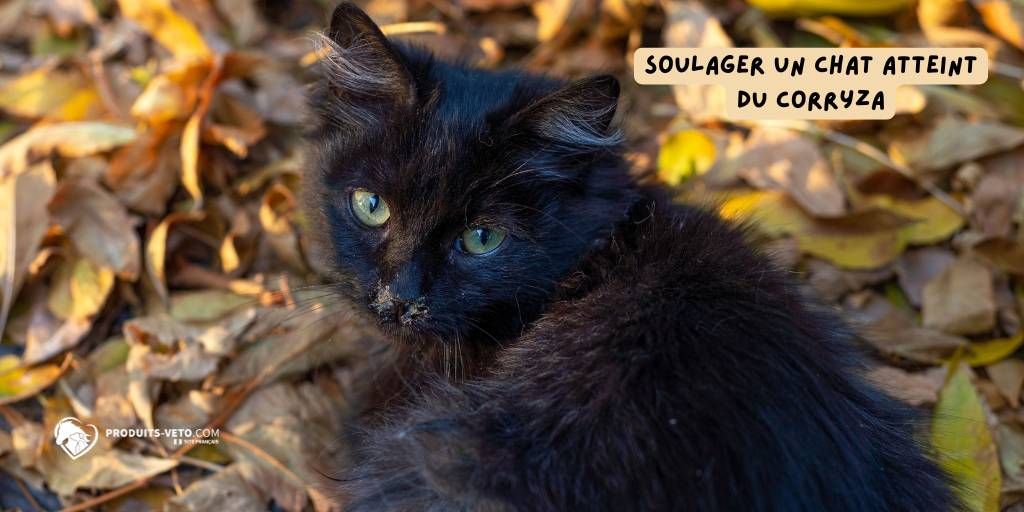
- eye or nasal discharge (clear or purulent);
- coughing, noisy or wheezy breathing;
- loss of appetite and fatigue;
- fever, general lethargy.
⚠️ A kitten or an older cat can deteriorate very quickly: watch for any sign of dehydration or anorexia
Why act quickly in case of coryza?
Left untreated, coryza can develop into serious complications: chronic conjunctivitis, mouth ulcers, pneumonia.
Early treatment limits contagion, relieves pain and clearly improves the sick cat's quality of life.
Management: what to do when your cat is sick?
1. See a vet quickly
A veterinary diagnosis is essential. Depending on the cat's condition, the vet may prescribe:
- antibiotics in case of bacterial superinfection;
- anti-inflammatories to bring down fever and pain;
- eye drops or eye cleansers to prevent ophthalmic complications.
2. Comfort care at home
- Keep the cat in a calm, warm and dry place.
- Clean the eyes and nose with a sterile compress soaked in saline solution.
- Warm the wet food slightly to stimulate appetite.
- Isolate the animal to prevent contamination of other cats.
Useful products to support recovery
👁️ Eye drops & eye care
- Sterile saline solution: gentle daily cleansing.
- Veterinary antiseptic eye drops: limit superinfection and soothe irritated eyes.
💪 Food supplements & immune boosters
- L-Lysine (paste or tablets): amino acid known to slow feline herpesvirus.
- Multivitamin supplements: support the immune defences and appetite.
🌬️ Respiratory hygiene & inhalation
- Diffusers or nebulisers: help clear the airways.
- Gentle herbal products (sprays or oils specially designed for cats) to purify the ambient air.
Frequently asked questions – FAQ
How long does coryza last in a cat?
Coryza generally runs its course over 8 to 10 days when the animal receives suitable care. However, in vulnerable, unvaccinated, elderly or immunocompromised cats, the disease can last 2 to 3 weeks, or even become chronic if not treated in time. Veterinary follow-up is recommended from the first signs (sneezing, eye discharge, fatigue) to limit complications such as secondary infections or severe respiratory damage.
My kitten isn't eating: what should I do?
Loss of appetite is common, as coryza causes a blocked nose, mouth pain and fatigue. To stimulate your cat's desire to eat, choose warm wet food (slightly heated pâté) to release the aromas. Offer several small, appetising meals throughout the day. If the cat still refuses to eat, see a vet quickly: syringe feeding or nutritional support may be needed to prevent dehydration and weight loss.
Should I isolate my cat with coryza?
Yes. Coryza is highly contagious between cats. Isolate the sick animal in a dedicated room, with its own litter tray, bowls and bedding. Wash your hands thoroughly after each contact and prevent other cats from entering the room. This precaution helps limit the spread of the virus, especially in multi-cat households or shelters. If you adopt a new cat, allow for a quarantine of at least 10 days before any contact.
In conclusion
Relieving a cat with coryza requires a comprehensive approach: vigilance from the first symptoms, rigorous medical support, daily hygiene and well-chosen complementary care. With suitable care and preventive vaccination, it is possible to limit your companion's suffering and promote a quick, calm recovery. To discover dedicated products, check out our product pages on Produits‑Veto.com.


