10 tips for managing the end-of-year holidays with your pets

Cécile de Produits-Veto
Pharmacy technician ·

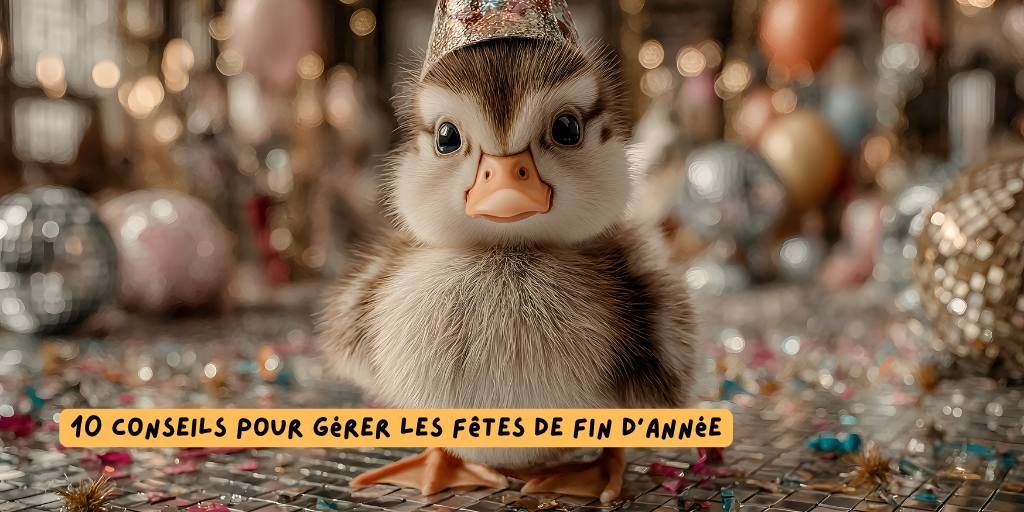
The end-of-year celebrations increase the risks for pets. The keyword end-of-year celebrations pets illustrates the dangers well: objects that can be swallowed, toxic foods, stress linked to guests, unusual noises or dangerous decorations. This article guides you in keeping your dog, your cat or your small pet safe with 10 tips.
Here are 10 essential tips to ensure the safety of your pets during the holidays. These tips will help you avoid accidents and ensure that your pets enjoy peaceful celebrations.
10 tips for celebrating safely
1. Secure the Christmas tree and decorations
The Christmas tree attracts pets. An unstable tree or one decorated with electric garlands can cause falls, burns or electric shocks. Secure it and avoid fragile decorations.
2. Keep toxic foods out of reach
Chocolate, raisins, onions, alcohol and leftovers represent a major danger. Keep an eye on coffee tables and set up an area inaccessible to dogs and cats.
3. Prevent accidental ingestions
Curling ribbon, ribbons, plastics, strings or small objects can obstruct the intestine. Put away wrapping immediately and don't leave anything lying around under the tree.
It is crucial to follow these tips to minimize the risks linked to the holidays.
4. Manage stress linked to guests
An influx of people can disturb some pets. Set up a calm space and, if needed, use a calming supplement.
Recommended anti-stress products


5. Protecting the animal from candles and photophores
These tips will also help you anticipate and manage your pet's behavior during this festive period.
Flames attract cats and dogs. Place them up high to avoid burns and fires.
6. Watching out for toxic Christmas plants
Poinsettia, holly, mistletoe: these plants cause irritation, vomiting and digestive disorders. Keep them out of reach.
7. Adapting outings during the festivities
Fireworks frighten dogs and some cats. Walk your dog early and keep your cat indoors on New Year's Eve.
8. Maintaining the daily routine
Animals are reassured by habits. Keep the same meal times, walks and play sessions.
9. Providing a refuge spot
A quiet room allows the animal to isolate itself. Add a basket, blanket, water and toys to reduce stress.
By applying these tips, you will ensure the well-being of your pets during the celebrations.
10. Anticipating veterinary emergencies
Identify the on-duty veterinary clinic. In case of ingestion or poisoning, every minute counts.
Frequently asked questions & FAQ about the end-of-year holidays and pets
Can my pet eat Christmas dinner leftovers?
Putting these tips into practice is essential for a worry-free New Year's Eve.
No. Christmas dinner leftovers represent a significant risk for dogs and cats. Many typical holiday foods are toxic: chocolate, raisins, foie gras, onion, garlic or fatty sauces. These foods can cause severe digestive disorders, pancreatitis or food poisoning.
Even in small quantities, some ingredients are enough to trigger vomiting, diarrhea, abdominal pain or unusual agitation. Cooked bones are also dangerous. They break into sharp fragments and lead to perforation or obstruction.
To avoid any accident, never give table scraps and provide suitable treats instead. Veterinary snacks, digestible and formulated for the species, allow you to treat your pet safely.
Among the most important tips, it is essential to remain vigilant regarding your pet's unusual behavior.
What to do if my pet has swallowed a decoration?
Accidental ingestion of a decoration is a veterinary emergency. Ribbons, string, garlands, cords, plastics, Christmas baubles or pieces of packaging can cause intestinal obstruction. This blockage prevents food from moving through and can create severe pain, repeated vomiting, extreme fatigue or absence of stools.
If you suspect the ingestion of an object, do not wait to see if "it passes". Also do not try to make the animal vomit without veterinary advice, as some sharp objects could cause further injury. Contact an on-duty clinic immediately. A clinical examination or an x-ray will identify the nature of the object and determine the treatment. In some cases, surgery is necessary to prevent perforation or tissue necrosis.
Applying these tips will foster a calming environment for your four-legged companion.
Prevention remains essential: put away decorations after opening presents and avoid any free access to small objects.
Following these tips can also strengthen the bond between you and your pet.
Finally, don't forget that love and attention are invaluable tips during the holidays.
How can I help my stressed pet during the holidays?
Tips adapted to each situation are fundamental for your pet's well-being.
The end-of-year holidays create a noisy and unusual environment that can disturb a dog, a cat or even a small pet. Stress shows through trembling, meowing, barking, agitation, withdrawal or loss of appetite. To help your pet, start by offering it a calm refuge, away from guests, music or children. Add a basket, a familiar blanket and fresh water to reinforce its sense of security.
Maintain a stable routine, as animals are reassured by the repetition of daily gestures. Favor gentle interactions and avoid excessive handling. A calming supplement or a pheromone diffuser can support the animal during stressful periods. These solutions reduce tension without causing sedation.
For fireworks or New Year's Eve, close shutters and curtains to reduce noise and light. Stay calm, as your behavior directly influences your pet's.
To go further
- Help your cat better manage stress with our anti-stress products for cats
- Discover our products for your dogs and their stress
- Also find all our products for your new pets
- Keep learning more with supveto-paris.com


