Cat mange: symptoms, treatments and contagion to humans

Cécile de Produits-Veto
Pharmacy technician ·

What is cat mange?
Cat mange is a skin condition caused by parasitic mites. Highly itchy, it mainly affects the ears but can spread over the whole body. This article aims to help owners recognize the signs, understand the risks of transmission to humans, and choose suitable veterinary treatments.
Symptoms, risks, and modes of transmission
Why is mange a problem for cats?
This parasitic disease weakens the skin and causes intense discomfort. The cat scratches, shakes its head, and may develop secondary ear infections. Without treatment, the mange spreads and affects the cat's overall well-being.
Causes and symptoms
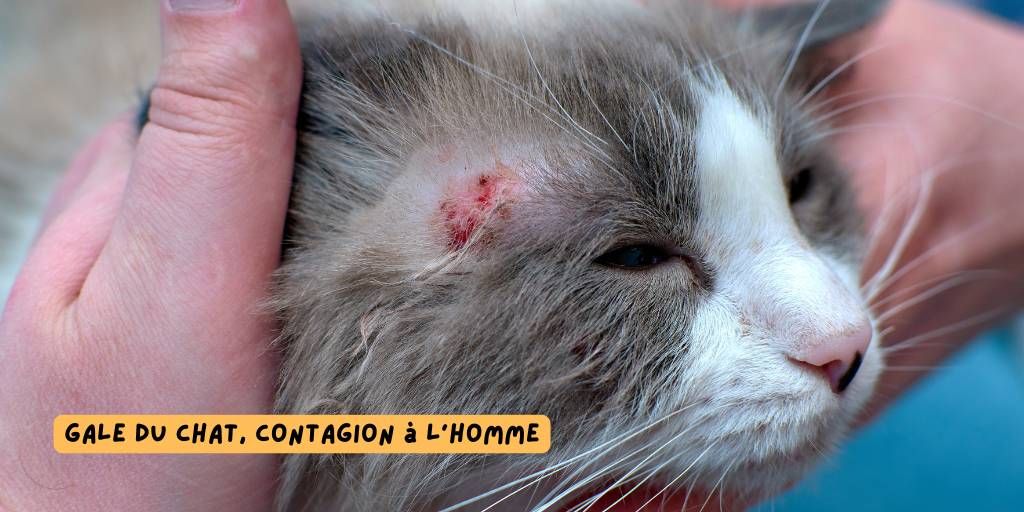
Mange is caused by different types of mites (Otodectes cynotis, Notoedres cati depending on location). The most common signs are:
- Intense itching
- Scabs, redness, hair loss
- Discharge in the ears
- Head shaking
- Wounds caused by scratching
The disease is highly contagious between cats and is transmitted through simple contact.
Can cat mange be transmitted to humans?
Yes… but with some nuance.
The cat's mite can pass to humans, but this is not common and is usually temporary. The mite responsible does not survive for long on human skin. In humans, this sometimes results in:
- Redness
- Mild itching
- Temporary irritation
These symptoms usually disappear after the cat is treated and the environment is cleaned.
Ear mange (Otodectes), the most common form in cats, is not considered contagious to humans.
Recommended veterinary treatments for mange
Effective antiparasitic solutions
To eliminate mange, veterinarians recommend external antiparasitics in spot-on or spray form:
1. Antiparasitic pipettes for cats
Benefits:
- Fast action against mites
- Easy to apply
- Long-lasting protection
2. Ear cleaners and care products
Benefits:
- Remove debris and discharge
- Limit secondary ear infections
- Soothe irritation
Treatment must be applied to all animals in the household, even those without symptoms.
Benefits of related veterinary products

- Gently cleans the ears
- Relieves ear itching
- Suitable for dogs and cats, from a very young age

- Preventive and/or curative treatment
- Reduces the ambient parasite load
- Long-lasting prevention
Frequently asked questions: cat mange and transmission to humans
Can cat mange infect humans?
Notoedric mange can, in some cases, cause irritation in humans, as the mite can temporarily settle on human skin. However, it cannot reproduce or develop there over the long term. The symptoms observed are often mild: mild itching, redness, or temporary patches. They generally disappear on their own after the cat is treated. The risk therefore remains low, but it exists if the animal is not treated quickly.
How can transmission within the household be avoided?
It is essential to treat all the animals in the household, even if they do not yet show symptoms. Cleaning the environment, textiles, and bedding greatly limits the persistence of mites. Using an antiparasitic environmental spray is recommended to keep the home mite-free over the long term. During the treatment period, it is best to reduce close contact with the infested cat. This approach effectively limits any risk of contamination.
Can a cat recover quickly?
Yes, when the prescribed treatment is suitable and applied correctly, the first signs of improvement appear within a few days. Itching decreases, the skin begins to heal, and ear discharge gradually reduces. However, full recovery can take several weeks depending on the severity of the infestation. It is essential to follow the full course of treatment to avoid any relapse. Follow-up with your veterinarian ensures a quick return to your cat's comfort.
To find out more
- See all our cat products
- Discover our ear care products for cats
- Also read: Why does my cat drool? – Produits-veto.com
- Tell the difference between ringworm and mange with santevet.com


