GREENPEX
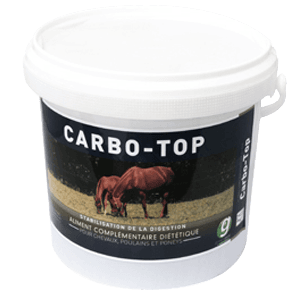
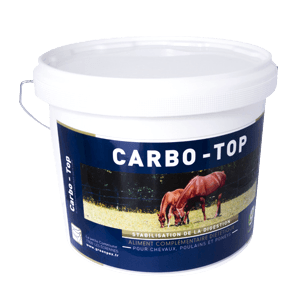
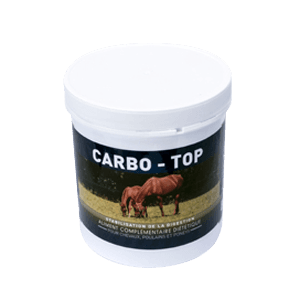
Carbo Top - Horse Digestion - 250 g - GREENPEX
In stock
10,62 €
Unavailable in your country
We do not currently ship to your country (États-Unis).
Free shipping from €99
In mainland France
Dispatched within 24h
From the Pharmacie de l'Envigne (86)
Delivery within 2 to 4 days
In mainland France
Secure payment
Encrypted transaction
ANSES-approved pharmacy
Advice from qualified pharmacists
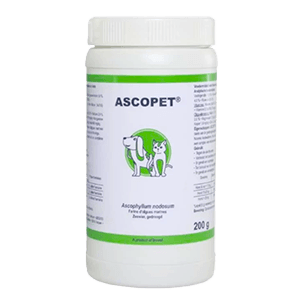
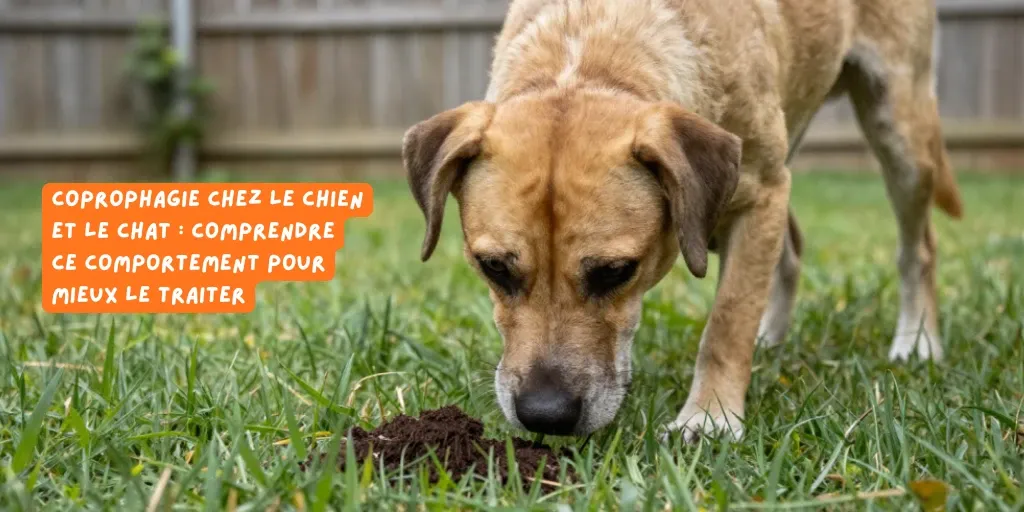
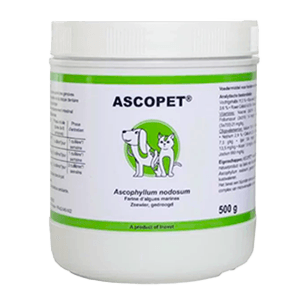
Ascopet 500 g from the laboratory BIOVÉ INOVET is a complementary feed intended to help limit coprophagia in dogs and cats. This behaviour consists of ingesting faeces, whether it is the animal's own or that of another animal.
Coprophagia can be a source of daily discomfort for the owner. It may also expose the animal to intestinal parasites or digestive pathogens. Appropriate management helps reduce health risks and improve household hygiene.
The 500 g size is particularly suited to large-breed dogs, multi-pet households, or situations where coprophagia is well established.
Ascopet contains Ascophyllum nodosum, a marine algae used in animal nutrition. Its inclusion in the diet helps modify the organoleptic characteristics of the stool, which may reduce its appeal.
Managing coprophagia relies on a comprehensive approach. This includes a balanced diet, regular cleaning of soiled areas, and behavioural monitoring.
Administration as an oral powder makes it easy to mix into the daily diet.
Regular management helps reduce undesirable behaviours related to coprophagia.
Coprophagia can expose dogs to parasites and digestive pathogens. Cat faeces may contain worm eggs or other micro-organisms.
It is recommended to limit access to the litter box and put appropriate measures in place to reduce this behaviour.
Managing coprophagia combines several actions: improved hygiene, dietary adjustment, and specific supplementation. Products such as Ascopet can be integrated into this strategy.
Veterinary advice is recommended if the behaviour persists or is accompanied by digestive disorders.
The risks include parasite transmission, digestive disorders, and ingestion of pathogens. Coprophagia may also reveal a dietary or behavioural imbalance.
Appropriate management helps limit these risks.
It is advisable to place the litter box in an area inaccessible to the dog or elevated. Regular cleaning reduces the appeal of the faeces.
A nutritional approach aimed at reducing coprophagia can complement these measures.
La coprophagie peut exposer le chien à des parasites et à des agents pathogènes digestifs. Les selles de chat peuvent contenir des œufs de vers ou d’autres micro-organismes.
Il est recommandé de limiter l’accès à la litière et de mettre en place des mesures adaptées pour réduire ce comportement.
La gestion de la coprophagie combine plusieurs actions : amélioration de l’hygiène, adaptation alimentaire et complémentation spécifique. Des produits comme Ascopet peuvent être intégrés dans cette stratégie.
Un avis vétérinaire est conseillé si le comportement persiste ou s’accompagne de troubles digestifs.
Les risques incluent la transmission parasitaire, les troubles digestifs et l’ingestion d’agents pathogènes. La coprophagie peut également révéler un déséquilibre alimentaire ou comportemental.
Une prise en charge adaptée permet de limiter ces risques.
Il est conseillé de placer la litière dans un espace inaccessible au chien ou en hauteur. Un nettoyage régulier diminue l’attrait des selles.
Une approche nutritionnelle visant à réduire la coprophagie peut compléter ces mesures.