ZOETIS
(26)
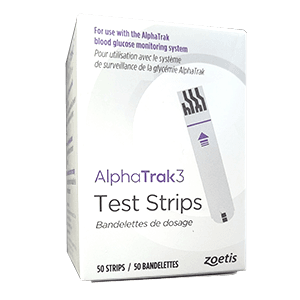
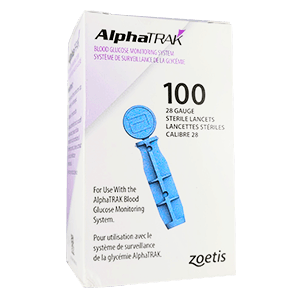
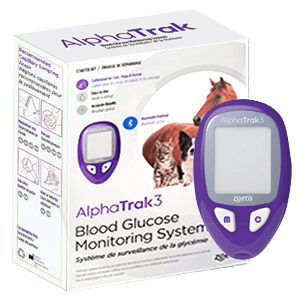
Alphatrak 3 - Blood Glucose Monitoring System for Dogs and Cats - Starter Kit - ZOETIS
In stock
108,42 €
Unavailable in your country
We do not currently ship to your country (États-Unis).
Free shipping from €99
In mainland France
Dispatched within 24h
From the Pharmacie de l'Envigne (86)
Delivery within 2 to 4 days
In mainland France
Secure payment
Encrypted transaction
ANSES-approved pharmacy
Advice from qualified pharmacists
Diabetes mellitus in dogs is a common metabolic disease. It requires rigorous treatment, most often including insulin injections. However, the effectiveness of this treatment depends heavily on diet. Unlike in cats, nutritional management of the diabetic dog focuses on dietary fibre. Fibre plays an essential role as a slowing agent. It regulates transit and the rate of nutrient absorption.
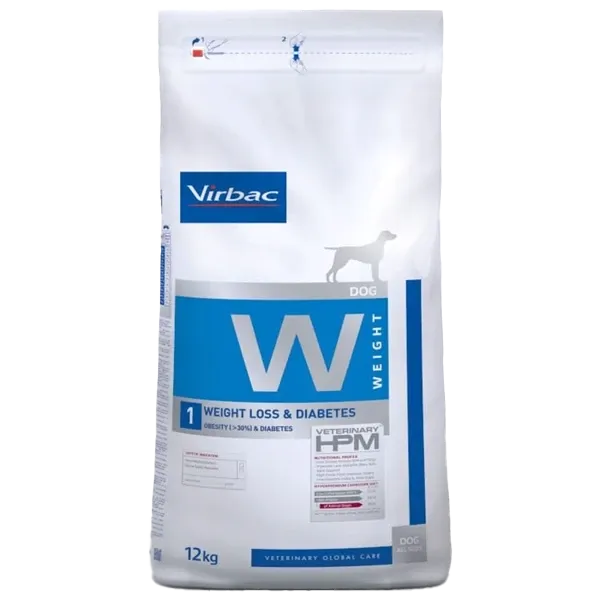
A diet very high in fibre, such as HPM W1 kibble, is prescribed. This high fibre content smooths glucose absorption in the intestine. This minimises hyperglycaemia spikes after meals. This digestive regularity is essential for synchronising the effect of injected insulin. This Virbac kibble is therefore a pillar of the therapeutic protocol. It guarantees consistency in caloric and carbohydrate intake.
The Virbac Veterinary HPM W1 formula is designed for a dual therapeutic action. The first objective is diabetes control through fibre. The second is weight loss, since obesity worsens the disease. This food is hypoenergetic, meaning it is low in calories. It helps reduce fat mass in the diabetic dog without frustration.
The formula also includes high levels of quality protein. This protein helps preserve the dog's muscle mass. Weight loss is thus healthy and targeted at fat. The 12 kg bag is particularly economical and practical for medium to large dogs. It ensures regular dietary monitoring, essential for successful diabetes treatment.
Incorporating this kibble into your pet's diet brings notable improvements:
The choice of kibble is crucial for the diabetic dog. A veterinary food specially formulated for this condition must be selected. The kibble must be very rich in crude fibre. A minimum content of 8% fibre is often recommended. It must also have a low glycaemic index. That is to say, it must not cause a rapid glucose spike after ingestion. Weight-loss formulas are often preferred, such as Virbac HPM W1. They combat excess weight, an aggravating factor for the disease. The goal is to ensure a slow and steady release of glucose.
The best diet for a diabetic dog is one that guarantees regularity. It is essential for the animal to eat the same type of food, in measured quantities, at fixed times. This allows insulin to be administered with maximum precision. The food must be therapeutic in nature and rich in complex fibre. Meals should be split into two daily feedings. These feedings coincide with the peaks of insulin action. A consistent diet minimises fluctuations in blood sugar levels. This is the most important factor in preventing diabetes complications. Consult your veterinarian to establish a tailored nutritional plan.
Diabetes in dogs is often treated with a combination of therapies. To effectively lower blood sugar, treatment is mainly based on insulin therapy. Daily insulin injections are mandatory. They must be accompanied by a strict dietary regimen. The use of fibre-rich kibble stabilises blood sugar levels. In addition, regular, moderate physical exercise is very beneficial. It helps cells make better use of available glucose. Finally, weight loss, if the animal is obese, significantly improves its insulin sensitivity. The combination of these three factors ensures the best possible control of the disease.
Using treats is tricky for diabetic dogs. Classic treats are too rich in sugars or starch. They risk disrupting blood sugar levels unpredictably. It is advisable to stick to fresh, unsweetened vegetables. Strips of courgette, carrot (in small amounts), or green beans are excellent options. You can also use a few HPM W1 kibbles as a reward. This does not introduce any unplanned food into the diet. There are also low-calorie treats specifically designed for diabetic dogs. Ask your veterinarian for advice to avoid any mistakes.
Le choix des croquettes est crucial pour le chien diabétique. Il faut sélectionner un aliment vétérinaire spécialement formulé pour cette pathologie. Les croquettes doivent être très riches en fibres brutes. Une teneur minimale de 8% de fibres est souvent recommandée. Elles doivent également avoir un indice glycémique bas. C'est-à-dire qu'elles ne doivent pas provoquer de pic de glucose rapide après ingestion. Les formules d'amaigrissement sont souvent préférées, comme la Virbac HPM W1. Elles combattent le surpoids, un facteur aggravant la maladie. L'objectif est d'assurer une libération lente et régulière du glucose.
La meilleure alimentation pour un chien diabétique est celle qui garantit la régularité. Il est essentiel que l'animal consomme le même type d'aliment, en quantité mesurée, à des heures fixes. Cela permet d'administrer l'insuline avec une précision maximale. L'aliment doit être de nature thérapeutique et riche en fibres complexes. Les repas doivent être fractionnés en deux prises quotidiennes. Ces prises coïncident avec les pics d'action de l'insuline. Un régime cohérent permet de minimiser les variations du taux de sucre. C'est le facteur le plus important pour prévenir les complications du diabète. Consultez votre vétérinaire pour établir un plan nutritionnel sur mesure.
Le diabète chez le chien est souvent traité par une combinaison de thérapies. Pour faire baisser efficacement la glycémie, le traitement repose principalement sur l'insulinothérapie. Les injections quotidiennes d'insuline sont obligatoires. Elles doivent être accompagnées d'un régime diététique strict. L'usage de croquettes riches en fibres stabilise la glycémie. De plus, l'exercice physique régulier et modéré est très bénéfique. Il aide les cellules à mieux utiliser le glucose disponible. Enfin, une perte de poids si l'animal est obèse améliore significativement sa sensibilité à l'insuline. L'association de ces trois facteurs garantit le meilleur contrôle possible de la maladie.
L'utilisation de friandises est délicate chez le chien diabétique. Les friandises classiques sont trop riches en sucres ou en amidon. Elles risquent de perturber la glycémie de manière imprévue. Il est conseillé de se limiter aux légumes frais non sucrés. Les lanières de courgettes, de carottes (en petite quantité) ou les haricots verts sont d'excellentes options. Vous pouvez aussi utiliser quelques croquettes HPM W1 comme récompense. Cela n'introduit aucun aliment non prévu dans le régime. Il existe également des friandises faibles en calories et spécifiquement conçues pour les chiens diabétiques. Demandez conseil à votre vétérinaire pour éviter toute erreur.