POMMIER NUTRITION ›FEDVET
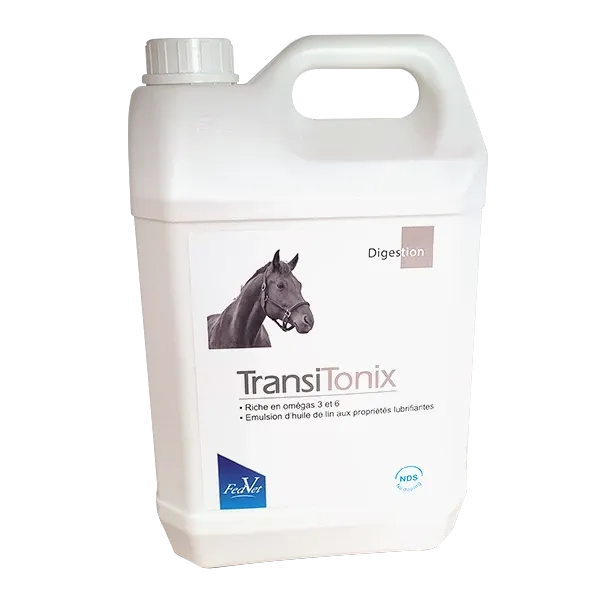
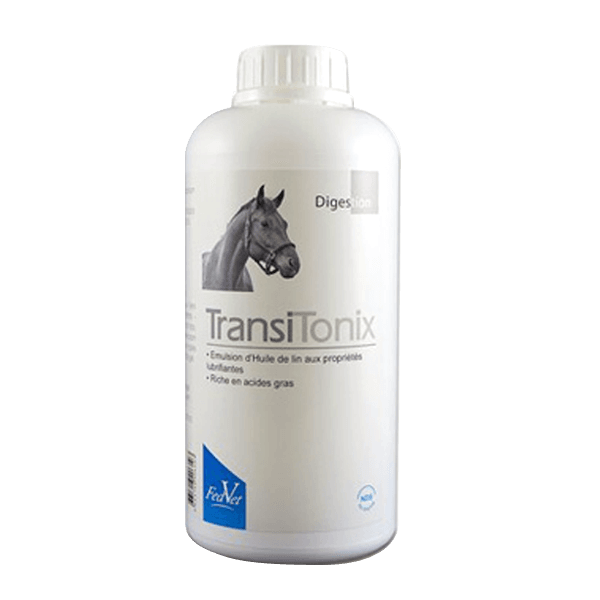
Transitonix - Intestinal transit - Linseed oil - 1L - Horse - FEDVET
In stock
10,52 €
Unavailable in your country
We do not currently ship to your country (États-Unis).
Free shipping from €99
In mainland France
Dispatched within 24h
From the Pharmacie de l'Envigne (86)
Delivery within 2 to 4 days
In mainland France
Secure payment
Encrypted transaction
ANSES-approved pharmacy
Advice from qualified pharmacists
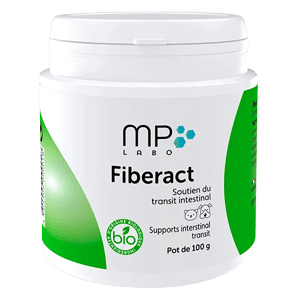
Fiberact is made up of psyllium. Originating from India, blond psyllium Plantago ovata known as Ispaghul or Indian plantain belongs to the Plantaginaceae family.
Psyllium comes from the Greek psylla which means flea. It is so named because its seeds are tiny and very light, 1,000 seeds barely weigh 2 g.
The powder from the husk (tegument) of psyllium seeds is used because it is the part richest in mucilage (soluble fibre). The soluble fibre of psyllium is barely fermentable, so it is very well tolerated.
The value of psyllium lies in its mechanical action. In the intestine, the mucilages absorb water and create a viscous gel that is not absorbed by the body. It regulates the progression of the contents of the small intestine and the colon. The lubricating gel of psyllium then facilitates the elimination of stools and hairballs.
The lack of activity in some sedentary cats living in apartments can lead to slowed digestive transit. Digestive disorders linked to hairballs or constipation may appear. Psyllium has positive effects on their digestive transit.
Specific enrichment with plant fibres increases the amount of hair eliminated in stools by 72% compared to a control food low in fibre. Faecal excretion is measured weekly using the method of Hendricks et al. (1998).
For further information, you can visit the laboratory's page MP Labo - Fiberact