BIOCANINA
(2)
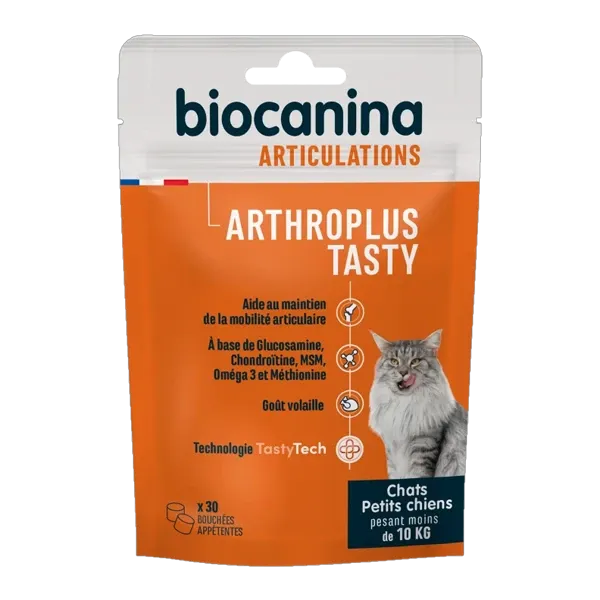
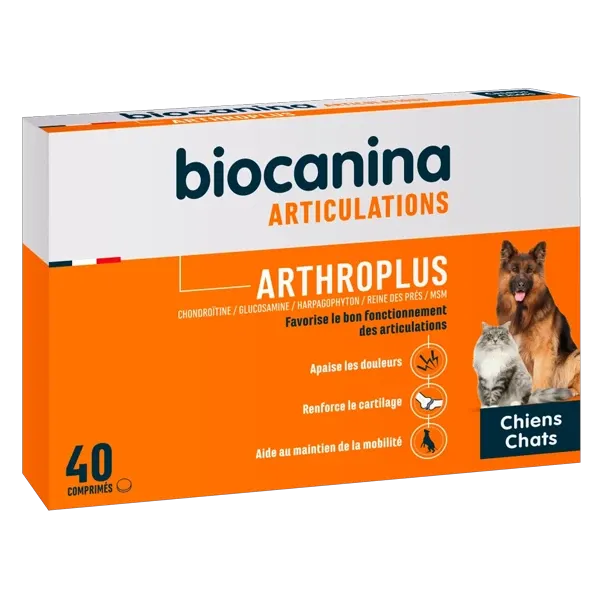
Arthroplus - Joints and mobility - Dogs and cats - 40 tablets - BIOCANINA
In stock
14,92 €
Unavailable in your country
We do not currently ship to your country (États-Unis).
Free shipping from €99
In mainland France
Dispatched within 24h
From the Pharmacie de l'Envigne (86)
Delivery within 2 to 4 days
In mainland France
Secure payment
Encrypted transaction
ANSES-approved pharmacy
Advice from qualified pharmacists
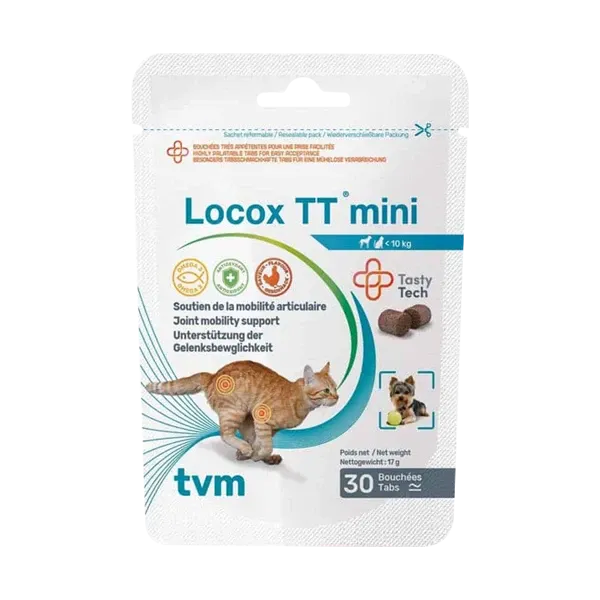
Locox TT Mini is a complementary feed formulated to support joint mobility in cats and small dogs under 10 kg. Joints are called upon daily during movement, jumping, play or usual activities. With age, physical activity or certain predispositions, they may require specific nutritional support.
Locox TT Mini was developed to support normal joint function and help maintain locomotor comfort. Its palatable chew presentation makes regular use easier.
Cartilage, ligaments and joint tissues are directly involved in the quality of movement. Adequate nutritional intake helps support these structures throughout the animal's life.
Locox TT Mini is part of a comprehensive approach aimed at preserving joint mobility and supporting movement comfort in cats and small dogs. This approach is particularly relevant for active or ageing animals, or those with specific joint needs.
Unlike many joint supplements primarily intended for dogs, Locox TT Mini was specifically designed to meet the needs of cats and small breeds. Its chew size and palatability encourage voluntary intake, making daily administration easier.
Palatable chews are a solution particularly appreciated by owners. They can be given directly as a treat or mixed into the daily ration.
This ease of administration helps improve compliance with joint support programmes and makes long-term nutritional monitoring easier. The 30-chew pouch is perfectly suited to initial programmes or occasional needs.
The 3-3-3 rule generally describes a cat's adaptation period to a new environment: about 3 days to decompress, 3 weeks to settle in, and 3 months to feel fully at ease. This behavioural concept is not directly related to joint health, but it illustrates the importance of overall wellbeing in cats.
A cat suffering from joint discomfort may show reduced activity, difficulty jumping, reluctance to climb onto furniture, decreased movement or behavioural changes. These signs should prompt a veterinary consultation to identify the cause.
Management depends on the origin of the joint problem. It may combine weight management, an appropriate diet, moderate physical activity and nutritional supplements intended to support mobility. The veterinarian remains the key point of contact for establishing a strategy suited to each animal.
Joint support may be considered as soon as the first signs of stiffness appear, or in animals with particular risk factors. Senior, very active dogs, or those predisposed to certain joint weaknesses, may benefit from early nutritional support.