POMMIER NUTRITION ›FEDVET
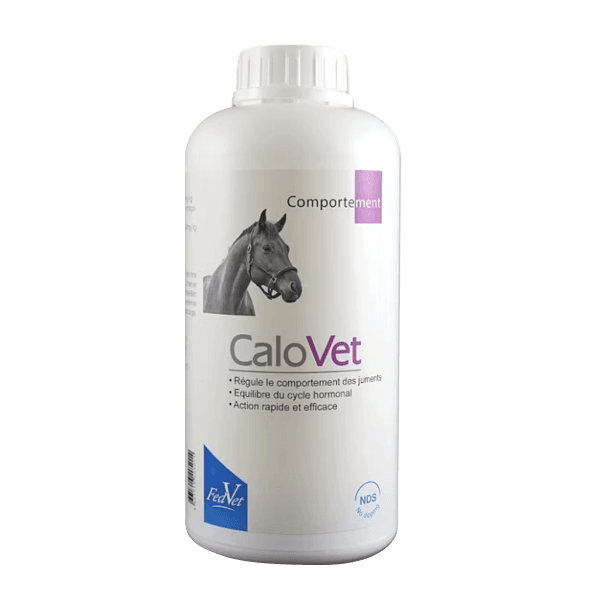
Calovet - Ovarian pain - Mare - 1 L - FEDVET
In stock
35,92 €
Unavailable in your country
We do not currently ship to your country (États-Unis).
Free shipping from €99
In mainland France
Dispatched within 24h
From the Pharmacie de l'Envigne (86)
Delivery within 2 to 4 days
In mainland France
Secure payment
Encrypted transaction
ANSES-approved pharmacy
Advice from qualified pharmacists
Horse owners are well acquainted with the challenges linked to the oestrous cycle. Mare behaviour often changes drastically during heat. You may notice aggression in the stable or increased sensitivity to girthing. Some mares become stiff under saddle. They swish their tail or refuse to move forward. These signs often reflect ovarian pain or significant hormonal discomfort.
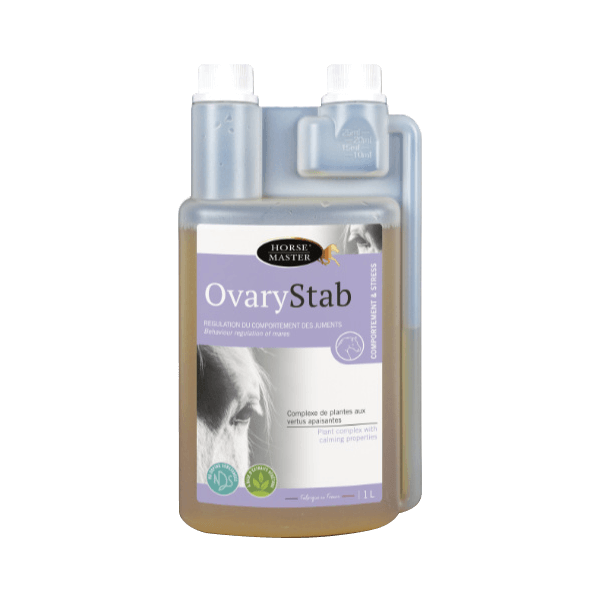
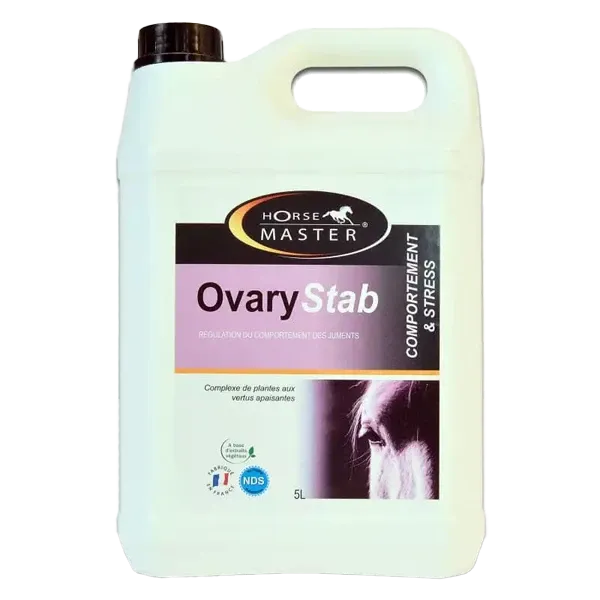
Ovary Stab from Horse Master provides a targeted nutritional response. This product does not block the cycle. It helps the animal cope better with these hormonal variations. The Horse Master laboratory formulated this supplement to support sporting performance. Your mount thus remains available and focused, even during critical periods. This support is essential for continuity of work and rider safety.
The strength of this supplement lies in its unique composition. The formula combines plant extracts and specific minerals. Curcuma plays a central role here. This spice contains curcumine. This active ingredient is recognised for its powerful soothing properties. It targets the painful manifestations linked to the ovarian cycle. A relieved mare is a more cooperative mare.
Magnesium complements this action. This essential mineral acts directly on the nervous and muscular system. It reduces anxiety and tension often associated with heat. Mare behaviour becomes calmer as a result. The combination of these ingredients promotes muscle relaxation. The mare engages her hindquarters better and regains suppleness in the back. Regular work then becomes possible all year round.
Using Ovary Stab offers many benefits for your stable:
Clinical signs of ovarian disorders vary enormously from one individual to another. Mare behaviour is the first visible indicator for the rider. You will often notice a sudden drop in performance or reluctance to work. The mare may pin her ears during grooming or girthing. Mild, recurring colic sometimes occurs during ovulation. Physically, marked stiffness in the lumbar area often appears. Some mares stop abruptly or buck for no apparent reason. These manifestations generally reflect visceral pain that requires particular attention and appropriate support.
The term "ovarian mare" refers to a mare whose character changes radically due to her ovaries. Daily observation helps detect this state. The mare often shows very unstable or "moody" behaviour. She can be very affectionate one day and aggressive the next. At work, she refuses contact with the rider's leg. She swishes her tail excessively as soon as you ask for effort. Frequent urination or a stretched-out stance is also commonly noticed. If these signs coincide with heat cycles (roughly every three weeks), your mare is probably "ovarian". Veterinary follow-up generally confirms this behavioural diagnosis.
Endometriosis in mares differs slightly from that in women but remains problematic. It is more precisely called endometritis or uterine degeneration depending on the case. Symptoms often include persistent infertility despite repeated coverings. Abnormal vulvar discharge is sometimes observed. Mare behaviour can also be affected by discomfort. Ultrasound often reveals cysts or fluid in the uterus. The mare seems "empty" of energy or has a dull coat. Unlike simple painful heat, this pathology requires an in-depth veterinary diagnosis. It directly affects the animal's long-term reproductive capacity.