VETOQUINOL
(7)
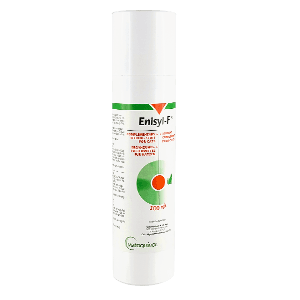
Enisyl-F - Feline Herpes Virus - Cat Coryza - 100 ml - VETOQUINOL
In stock
14,92 €
Unavailable in your country
We do not currently ship to your country (États-Unis).
Free shipping from €99
In mainland France
Dispatched within 24h
From the Pharmacie de l'Envigne (86)
Delivery within 2 to 4 days
In mainland France
Secure payment
Encrypted transaction
ANSES-approved pharmacy
Advice from qualified pharmacists
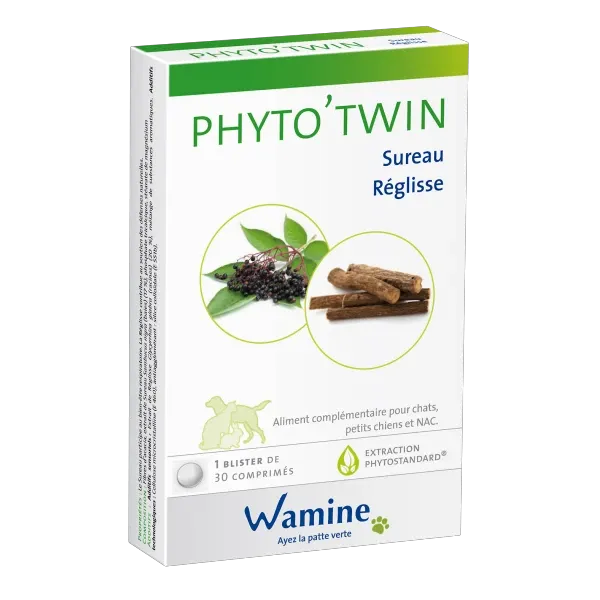
Seasonal changes or humid periods often weaken the body of our pets. To address this, the laboratory Wamine has designed the complex Phyto'Twin Sureau & Réglisse. This food supplement specifically targets the respiratory function to provide immediate and lasting comfort. It is suitable for a wide variety of species, including dogs, cats, but also rabbits and rodents.
Wamine uses a unique extraction process to guarantee the integrity of the plant active ingredients. Standardised plant extracts (EPS) offer a stable concentration and superior efficacy. This product helps the animal fight against external aggressions affecting the ENT sphere. By strengthening natural defences, it helps maintain smooth and soothed breathing. It is an essential ally during winter episodes or in the event of temporary bronchial congestion.
The scored tablet format greatly simplifies administering the care to your animal. You can easily incorporate it into their diet or give it as a treat. Choosing Phyto'Twin means favouring a gentle approach to your companion's health. This way, you preserve their vitality by taking care of their breathing. Good oxygenation is the key to a fit and healthy animal.
The formulation of this supplement relies on the synergy between two plants with complementary properties. Sureau (Sambucus nigra) is recognised for its thinning properties on bronchial secretions. It helps the body eliminate mucus that congests the upper airways. Moreover, this plant actively supports the immune system during cold spells. It therefore contributes directly to maintaining a good respiratory function.
Réglisse (Glycyrrhiza glabra), for its part, provides a much-appreciated soothing action on irritated throats. It calms the tingling sensations that can cause dry or fitful coughs. Its active compounds also have soothing properties for inflamed respiratory mucous membranes. By combining these two ingredients, Wamine offers a complete response to clear the nose and bronchi.
This plant duo acts without causing drowsiness or dependence in the treated animal. It respects the natural physiology of domestic carnivores and herbivores. Regular or occasional use of this complex promotes rapid recovery. Your animal rediscovers the pleasure of running and playing without excessive breathlessness. It is a natural solution to accompany conventional veterinary treatments.
Using this plant-based complex offers multiple benefits for your animals:
A cat's breathing should be silent, regular and done through the nose. You should worry if your feline starts breathing with an open mouth, which is abnormal outside of intense stress. A very rapid respiratory rate at rest (more than 30-40 breaths per minute) is also a warning sign. Watch if their abdomen strongly caves in with each inhalation, a sign of major difficulty. Sounds such as wheezing or rasping indicate an obstruction. In these cases, the respiratory function is compromised and requires urgent consultation. Phyto'Twin can then help as a support, but does not replace oxygen in the event of a crisis.
Lung parasites, or respiratory worms, cause symptoms often confused with other illnesses. The most common sign is a chronic dry cough that does not go away. The cat may also have nasal discharge, sneezing and intolerance to exercise. Unexplained weight loss is sometimes noticed despite a preserved appetite. In advanced cases, respiratory distress can occur. If the vet confirms the diagnosis through analysis, a specific dewormer will be prescribed. In parallel, supporting the respiratory function with soothing plants can speed up the healing of damaged mucous membranes.
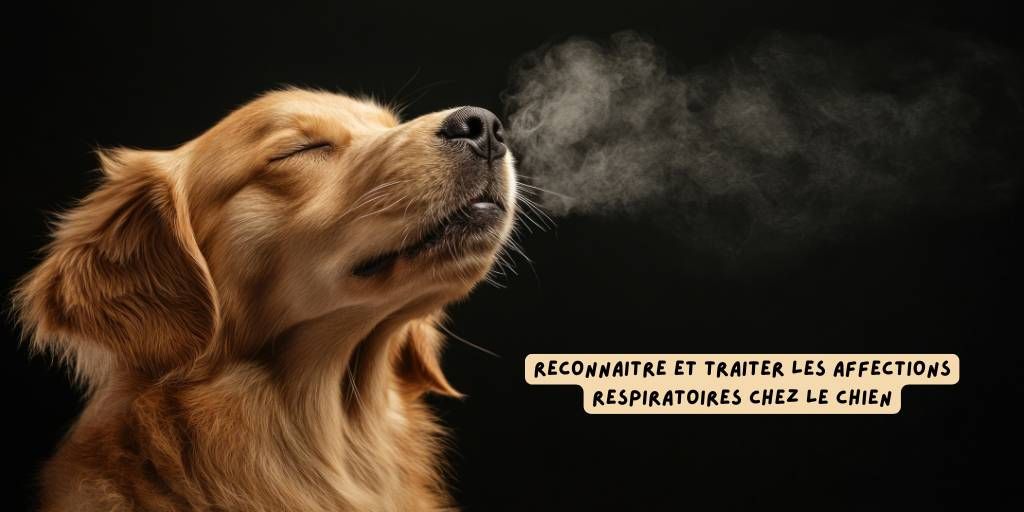
In dogs, certain respiratory signs should never be ignored by the owner. A hoarse cough, similar to a rooster's crow, may indicate tracheitis or kennel cough. If your dog makes noise when inhaling (stridor) or exhaling, their airways may be obstructed. Blue discolouration of the tongue or gums (cyanosis) is an absolute emergency indicating a lack of oxygen. A sudden intolerance to exercise or fainting spells should also alert you. Monitoring the respiratory function is crucial, especially in brachycephalic breeds (flat-faced) which are predisposed to obstructions.
A dog's respiratory system performs three vital missions for its survival and well-being. First, it carries out gas exchange by supplying oxygen to the blood and removing carbon dioxide. This is the basis of cellular respiratory function. Second, it plays a central role in thermoregulation. Dogs barely sweat; they pant to release body heat through the evaporation of water via the tongue and lungs. Third, the respiratory system filters, warms and humidifies inhaled air to protect the lungs from impurities and external pathogens.
La respiration du chat doit être silencieuse, régulière et effectuée par le nez. Vous devez vous inquiéter si votre félin commence à respirer la gueule ouverte, ce qui est anormal hors stress intense. Une fréquence respiratoire très rapide au repos (plus de 30-40 mouvements par minute) est aussi un signe d'alerte. Observez si son abdomen se creuse fortement à chaque inspiration, signe d'une difficulté majeure. Des bruits comme des sifflements ou des raclements indiquent une obstruction. Dans ces cas, la fonction respiratoire est compromise et nécessite une consultation urgente. Le Phyto'Twin peut ensuite aider en soutien, mais ne remplace pas l'oxygène en cas de crise.
Les parasites pulmonaires, ou vers respiratoires, provoquent des symptômes souvent confondus avec d'autres maladies. Le signe le plus fréquent est une toux chronique sèche qui ne passe pas. Le chat peut aussi présenter un écoulement nasal, des éternuements et une intolérance à l'effort. On remarque parfois une perte de poids inexpliquée malgré un appétit conservé. Dans les cas avancés, une détresse respiratoire peut survenir. Si le vétérinaire confirme le diagnostic par analyse, un vermifuge spécifique sera prescrit. En parallèle, soutenir la fonction respiratoire avec des plantes adoucissantes peut accélérer la guérison des muqueuses lésées.
Chez le chien, certains signes respiratoires ne doivent jamais être ignorés par le propriétaire. Une toux rauque, semblable à un chant du coq, peut indiquer une trachéite ou une toux de chenil. Si votre chien fait du bruit en inspirant (stridor) ou en expirant, ses voies aériennes sont peut-être obstruées. La coloration bleue de la langue ou des gencives (cyanose) est une urgence absolue signifiant un manque d'oxygène. Une intolérance soudaine à l'exercice ou des syncopes doivent aussi vous alerter. Surveiller la fonction respiratoire est crucial, surtout chez les races brachycéphales (nez écrasé) qui sont prédisposées aux obstructions.
L'appareil respiratoire du chien assure trois missions vitales pour sa survie et son bien-être. Premièrement, il réalise les échanges gazeux en apportant de l'oxygène au sang et en rejetant le dioxyde de carbone. C'est la base de la fonction respiratoire cellulaire. Deuxièmement, il joue un rôle central dans la thermorégulation. Le chien ne transpire presque pas ; il halète pour évacuer la chaleur corporelle par évaporation d'eau via la langue et les poumons. Troisièmement, le système respiratoire filtre, réchauffe et humidifie l'air inspiré pour protéger les poumons des impuretés et des pathogènes extérieurs.