CEVA
(1)
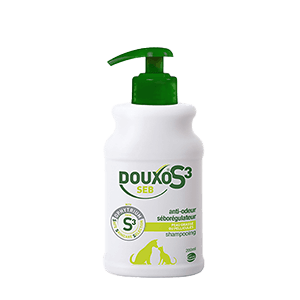
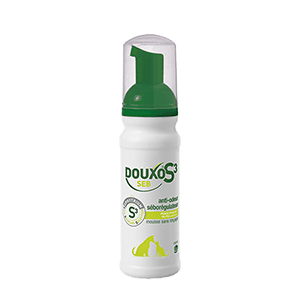
Douxo S3 Seb Mousse - Anti-odour and seboregulating - Dogs and cats - 150 ml - CEVA
In stock
11,00 €
Unavailable in your country
We do not currently ship to your country (États-Unis).
Free shipping from €99
In mainland France
Dispatched within 24h
From the Pharmacie de l'Envigne (86)
Delivery within 2 to 4 days
In mainland France
Secure payment
Encrypted transaction
ANSES-approved pharmacy
Advice from qualified pharmacists
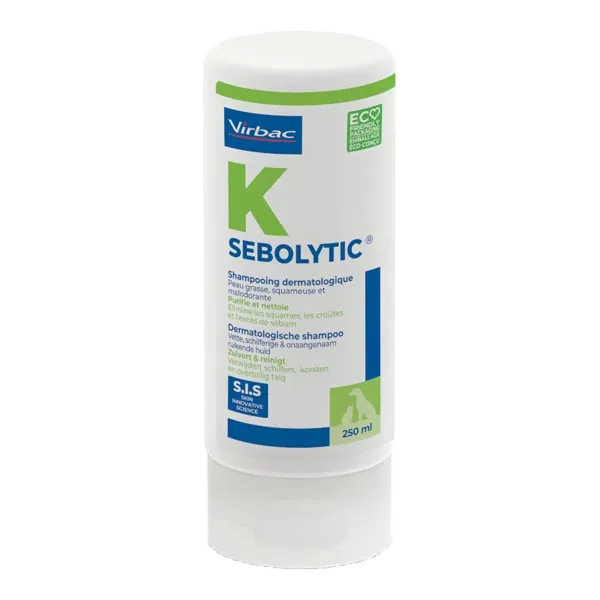
Sebolytic VIRBAC is a dermatological shampoo formulated for dogs and cats with greasy, flaky or malodorous skin. It helps cleanse excess sebum while respecting the animal's skin balance.
Its formula combines several active ingredients recognised in veterinary dermatology. The product helps eliminate flakes and contributes to maintaining healthier skin. It is particularly suited to animals prone to skin imbalances associated with excessive sebum production.
Sebolytic shampoo can be used on dogs and cats as part of a suitable dermatological hygiene routine. Its texture makes it easy to apply to the coat and promotes good distribution of the product.
In some animals, the skin can become greasy, sticky or give off an unpleasant odour. These signs often appear during an imbalance of the skin barrier or excessive sebum production.
Sebolytic VIRBAC contains cleansing and keratoregulating agents that help remove flakes and greasy deposits present on the coat. Its formula also helps limit unpleasant odours linked to excess sebum.
This dermatological shampoo is frequently used to support the hygiene of animals presenting:
Thanks to its targeted cleansing action, Sebolytic helps restore a cleaner coat that is more pleasant to the touch.
Skin is an essential barrier in dogs and cats. When sebum production becomes excessive, the coat can quickly become greasy and uncomfortable.
Excess sebum often promotes the appearance of flakes, unpleasant odours and a sticky-looking coat. In some cases, grooming also becomes more difficult.
Using a greasy skin shampoo specially formulated for animals allows skin hygiene to be adapted without using unsuitable products. Veterinary dermatological shampoos are designed to respect the pH and sensitivity of animal skin.
Some dog or cat breeds have skin that is more sensitive to skin imbalances. Animals living in humid environments or suffering from dermatological disorders can also develop excess sebum.
Regular care with a suitable shampoo helps maintain clean skin and a healthy coat. Sebolytic VIRBAC fits easily into a dermatological hygiene routine recommended by a veterinarian.
Greasy skin in dogs often appears when there is excessive sebum production. Several factors can be involved. Certain dermatological conditions promote this excess sebum. Humidity, allergies or certain skin imbalances can also change the quality of the coat. In some dogs, the skin then becomes sticky, malodorous and flaky. A suitable dermatological shampoo helps cleanse the skin while respecting the skin balance.
A dog can have greasy skin when the sebaceous glands produce too much sebum. This situation can be accompanied by strong odours, flakes or a dull coat. Some breeds also have a predisposition to seborrheic disorders. Poor coat quality or baths with unsuitable products can worsen the problem. Using a greasy skin shampoo formulated for dogs helps eliminate greasy deposits present on the coat.
To remove grease present on a cat's fur, it is recommended to use a dermatological shampoo specially designed for animals. Human products are not suitable for cat skin. A suitable shampoo helps cleanse sebum without damaging the skin barrier. It is important to distribute the product well over the coat and then rinse thoroughly. Regular care contributes to improving the appearance of the coat and the cat's skin comfort.
A dog with greasy skin needs a dermatological shampoo formulated to regulate excess sebum. Keratoregulating shampoos such as Sebolytic VIRBAC are designed for greasy, flaky and malodorous skin. They help cleanse the coat while limiting greasy deposits and flakes. The choice of shampoo should always take into account the animal's skin sensitivity and the veterinarian's recommendations.