BEAPHAR
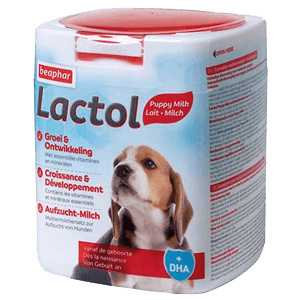
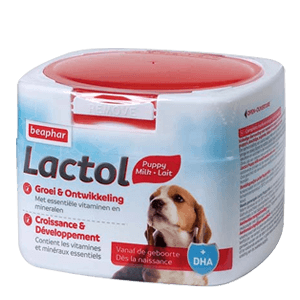
Lactol - Milk replacer for puppies - 250 g - BEAPHAR
In stock
8,17 €
Unavailable in your country
We do not currently ship to your country (États-Unis).
Free shipping from €99
In mainland France
Dispatched within 24h
From the Pharmacie de l'Envigne (86)
Delivery within 2 to 4 days
In mainland France
Secure payment
Encrypted transaction
ANSES-approved pharmacy
Advice from qualified pharmacists
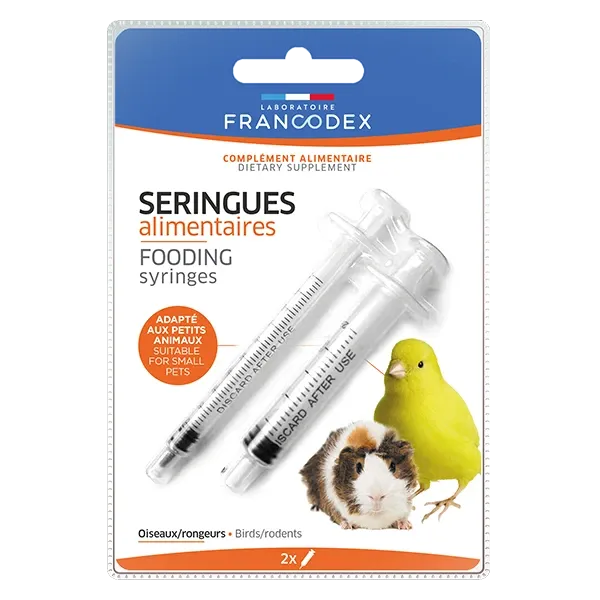
The Feeding syringes for birds and rodents - FRANCODEX meet the specific needs of assisted feeding. They are aimed at pet owners, breeders and care facilities. They make it easier to administer liquid or semi-liquid food to weakened animals.
Developed by Francodex, these feeding syringes are part of a range of reliable veterinary accessories. They allow controlled feeding. They help limit dosing errors. Their design aims at precision and safety during handling.
Feeding syringes are useful in many situations. They accompany the feeding of chicks. They support rodents during convalescence. They are part of an overall approach that respects the animal.
Assisted feeding requires suitable equipment. Francodex feeding syringes allow gradual distribution of food. They provide optimal control of the volumes administered. This precision reduces the risks linked to feeding that is too fast or unsuitable.
The formats offered meet the needs of small animals. The 1 ml and 2,5 ml volumes make it easier to adapt to the different sizes of birds and rodents. Handling remains simple. Reading the graduations improves the reliability of feeding.
These feeding syringes are suitable for occasional or regular use. They are used during periods of weakness. They also accompany delicate growth phases. Their design promotes a safer and gentler gesture.
Feeding syringes are used to administer assisted feeding. They concern animals that cannot feed themselves. They allow a precise supply of liquid food or supplements. In birds and rodents, they make secure feeding easier. They limit the risk of false swallowing when used with suitable equipment.
Feeding syringes are used in specific situations. They accompany periods of convalescence. They support young animals that are not yet independent. They can also help during a temporary loss of appetite. Their use is part of a supervised approach, often recommended by a professional.
The choice of volume depends on the size of the animal and the quantity to be administered. Small volumes offer better precision. 1 ml syringes are suitable for very small animals. The 2,5 ml formats meet slightly higher needs. A readable graduation improves the reliability of feeding.
Francodex feeding syringes are suitable for occasional or repeated use. They fit into daily care when necessary. Their sturdy design allows sustained use. However, veterinary follow-up remains recommended for any prolonged assisted feeding.
Les seringues alimentaires servent à administrer une alimentation assistée. Elles concernent les animaux qui ne s’alimentent pas seuls. Elles permettent un apport précis d’aliments ou de compléments liquides. Chez les oiseaux et rongeurs, elles facilitent le nourrissage sécurisé. Elles limitent les risques de fausse déglutition lorsqu’elles sont utilisées avec un matériel adapté.
Les seringues alimentaires s’utilisent lors de situations spécifiques. Elles accompagnent les périodes de convalescence. Elles soutiennent les jeunes animaux non autonomes. Elles peuvent aussi aider lors d’une perte d’appétit passagère. Leur utilisation s’inscrit dans une démarche encadrée, souvent conseillée par un professionnel.
Le choix du volume dépend de la taille de l’animal et de la quantité à administrer. Les petits volumes offrent une meilleure précision. Les seringues de 1 ml conviennent aux très petits animaux. Les formats 2,5 ml répondent aux besoins légèrement supérieurs. Une graduation lisible améliore la fiabilité du nourrissage.
Les seringues alimentaires Francodex conviennent à un usage ponctuel ou répété. Elles s’intègrent dans les soins quotidiens lorsque nécessaire. Leur conception robuste permet une utilisation suivie. Toutefois, un suivi vétérinaire reste recommandé pour toute alimentation assistée prolongée.