BEAPHAR
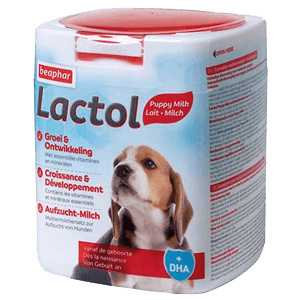
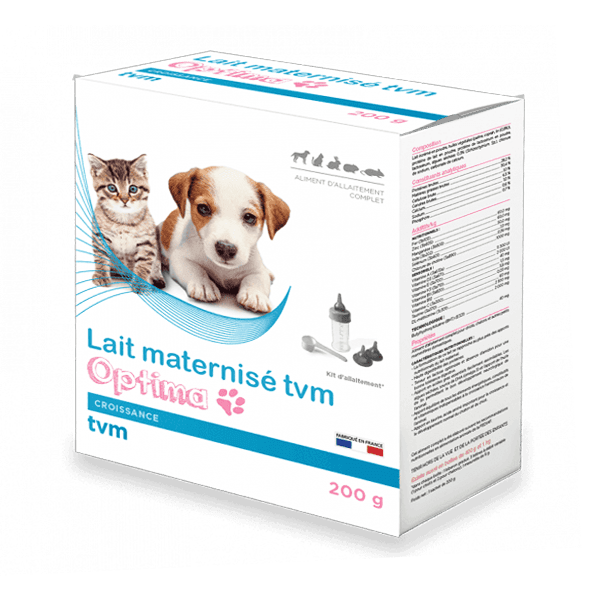
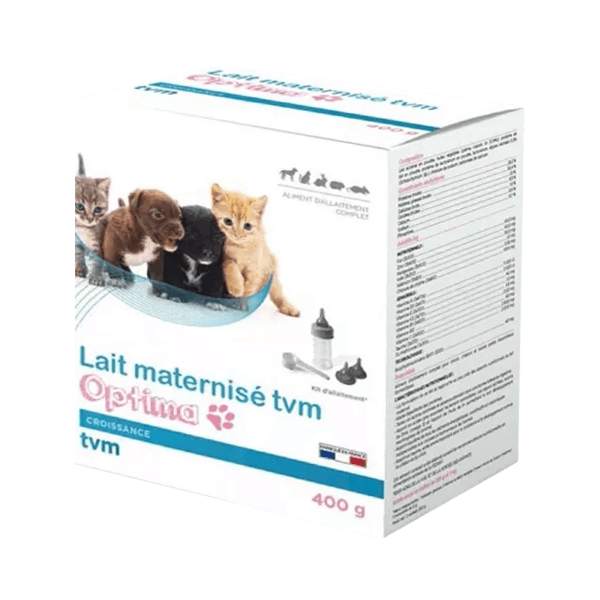
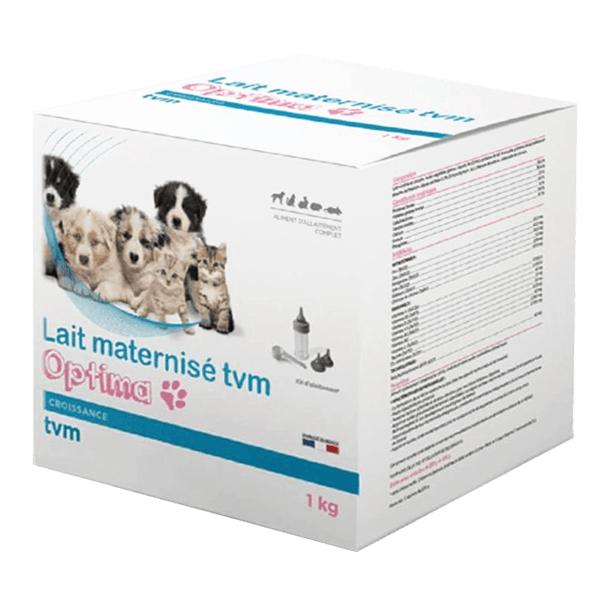
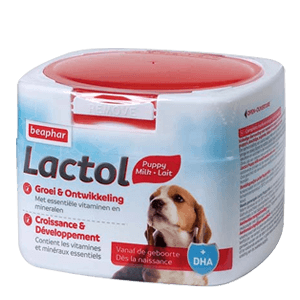
Lactol - Milk replacer for puppies - 250 g - BEAPHAR
In stock
8,17 €
Unavailable in your country
We do not currently ship to your country (États-Unis).
Free shipping from €99
In mainland France
Dispatched within 24h
From the Pharmacie de l'Envigne (86)
Delivery within 2 to 4 days
In mainland France
Secure payment
Encrypted transaction
ANSES-approved pharmacy
Advice from qualified pharmacists
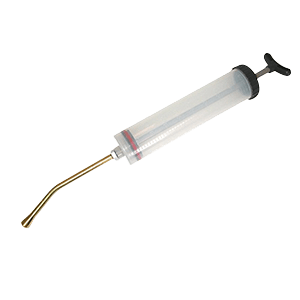
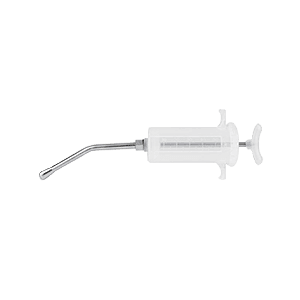
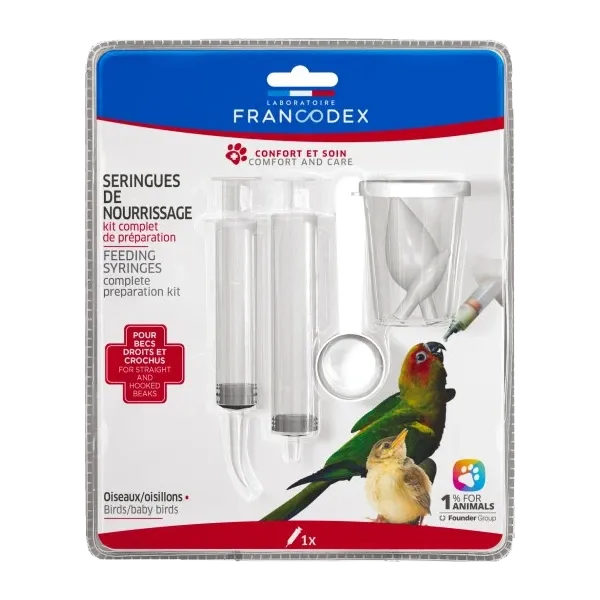
The Feeding Syringes for Birds and Chicks - FRANCODEX meet the specific needs of feeding birds. They are aimed at breeders, private individuals and care centres. They facilitate feeding weakened birds or chicks requiring assistance.
Designed by Francodex, these syringes are part of a range of accessories dedicated to animal wellbeing. They allow controlled food intake. They help limit risks during feeding. Their design aims for precision and safety.
Feeding birds requires care and suitable equipment. A dedicated syringe improves control over the quantities distributed. It promotes a more precise and gentler action.
Feeding birds, particularly chicks, requires great attention. Their digestive system remains sensitive. Poor handling can lead to complications. Francodex feeding syringes allow gradual and controlled administration.
Their format adapts to different sizes of birds. They suit chicks as well as adult birds in recovery. They are used with specific food preparations, under informed advice. Their design makes handling easier and limits sudden movements.
These syringes are useful in several situations. They accompany manual feeding. They support feeding during periods of weakness. They form part of a comprehensive care approach that respects the animal.
Feeding birds depends on their age and independence. Chicks need assisted feeding as long as they cannot feed themselves. Feeding gradually stops when the bird shows sufficient feeding independence. This transition must remain gradual. Monitoring by a professional or a specialised centre remains recommended to avoid any deficiency.
Fat balls can present risks depending on their composition. Some formulations contain unsuitable ingredients. They can lead to nutritional imbalances. For chicks or weakened birds, controlled feeding remains preferable. The use of suitable equipment, such as a feeding syringe, allows more targeted and secure feeding.
Feeding refers to the voluntary provision of food to an animal. In birds, it can be natural or assisted. Assisted feeding mainly concerns chicks or birds in difficulty. It aims to support their growth or recovery. It requires suitable tools to guarantee the safety and precision of food intake.
Birds feed according to their species and stage of development. Adults feed on seeds, insects or fruit. Chicks often depend on parental or assisted feeding. When human intervention becomes necessary, the equipment used plays a key role. Feeding syringes facilitate controlled and suitable feeding.
Le nourrissage des oiseaux dépend de leur âge et de leur autonomie. Les oisillons nécessitent une alimentation assistée tant qu’ils ne se nourrissent pas seuls. L’arrêt du nourrissage intervient progressivement lorsque l’oiseau montre une autonomie alimentaire suffisante. Cette transition doit rester progressive. Un suivi par un professionnel ou un centre spécialisé reste recommandé pour éviter toute carence.
Les boules de graisse peuvent présenter des risques selon leur composition. Certaines formulations contiennent des ingrédients inadaptés. Elles peuvent entraîner des déséquilibres nutritionnels. Pour les oisillons ou les oiseaux fragilisés, un nourrissage contrôlé reste préférable. L’utilisation de matériel adapté, comme une seringue de nourrissage, permet une alimentation plus ciblée et sécurisée.
Le nourrissage correspond à l’apport volontaire d’aliments à un animal. Chez les oiseaux, il peut être naturel ou assisté. Le nourrissage assisté concerne principalement les oisillons ou les oiseaux en difficulté. Il vise à soutenir leur croissance ou leur rétablissement. Il nécessite des outils adaptés pour garantir la sécurité et la précision des apports alimentaires.
Les oiseaux se nourrissent selon leur espèce et leur stade de développement. Les adultes s’alimentent de graines, d’insectes ou de fruits. Les oisillons dépendent souvent d’un nourrissage parental ou assisté. Lorsqu’une intervention humaine devient nécessaire, le matériel utilisé joue un rôle clé. Les seringues de nourrissage facilitent une alimentation contrôlée et adaptée.