BIOVÉ INOVET
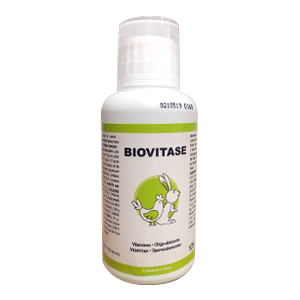
Biovitase - Vitamins and Trace Elements - 125 ml - BIOVÉ INOVET
In stock
7,67 €
Unavailable in your country
We do not currently ship to your country (États-Unis).
Free shipping from €99
In mainland France
Dispatched within 24h
From the Pharmacie de l'Envigne (86)
Delivery within 2 to 4 days
In mainland France
Secure payment
Encrypted transaction
ANSES-approved pharmacy
Advice from qualified pharmacists
Backyard poultry regularly experience environmental variations. Seasonal changes, stress or intensive laying increase their nutritional needs. In these situations, providing vitamins for poultry becomes a relevant support. Even with a balanced diet, certain periods require specific reinforcement. Suitable supplementation therefore helps maintain vitality, general condition and performance of the animals. It also supports the growth of young birds and recovery after a period of fatigue.
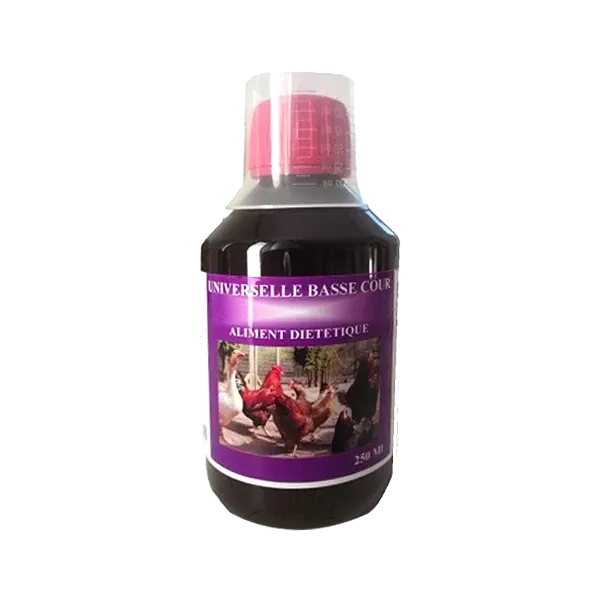
Universelle Basse cour 125 ml SENNECQ BONNE comes in liquid form, which makes it easy to administer in drinking water. This form ensures even distribution across the whole flock. It also simplifies daily management, particularly in family-run flocks. The 250 ml size is perfectly suited to small setups and allows targeted use during sensitive periods. Vitamins for poultry support proper metabolic function and help the body cope with dietary or climatic variations. However, they never replace a balanced, quality diet.
Certain life stages require increased support. Moulting, the resumption of laying or the growth of young poultry place significant strain on the body. In these contexts, vitamins for poultry help support nutritional balance. They also assist during periods of stress linked to transport or a change of environment. Reasoned, occasional use remains preferable in order to avoid any nutritional imbalance. In the event of a persistent decline in condition or visible disorders, veterinary advice remains essential.
Thanks to these features, Universelle Basse cour fits easily into an overall health management programme.
Hens normally meet their needs through a complete and balanced diet. However, certain periods increase micronutrient requirements. Moulting, sustained laying or a period of stress weaken the body. In these specific cases, vitamins for poultry can support vitality and aid recovery. It remains important to avoid systematic supplementation without justification. A targeted approach suited to the context remains more relevant.
Garlic is traditionally used to support the general balance of poultry. Some keepers use it to stimulate appetite or support natural defences. However, garlic does not replace a structured vitamin supplement for poultry. Vitamins provide micronutrients essential to metabolism. They are involved in numerous biological processes. It is therefore important to distinguish traditional practices from nutritional supplements specifically formulated for poultry.
Strengthening natural defences relies first on a balanced diet and a clean environment. Rigorous health management remains the basis. Then, an occasional intake of vitamins for poultry can contribute to proper bodily function. Vitamins take part in metabolic mechanisms and help maintain vitality. However, in the event of persistent symptoms, a veterinary consultation is necessary to rule out any pathology.
It is relevant to use vitamins for poultry during periods of stress, growth or intensive laying. Climatic changes may also justify temporary support. The aim is to support the body without excess. Reasoned use makes it possible to support the birds while respecting their nutritional balance.
Les poules couvrent normalement leurs besoins via une alimentation complète et équilibrée. Cependant, certaines périodes augmentent les besoins en micronutriments. La mue, la ponte soutenue ou un épisode de stress fragilisent l’organisme. Dans ces cas précis, les vitamines pour la basse cour peuvent soutenir la vitalité et accompagner la récupération. Il reste important d’éviter une supplémentation systématique sans justification. Une approche ciblée et adaptée au contexte demeure plus pertinente.
L’ail est traditionnellement utilisé pour soutenir l’équilibre général des volailles. Certains éleveurs l’emploient pour stimuler l’appétit ou accompagner les défenses naturelles. Toutefois, l’ail ne remplace pas un complément structuré en vitamines pour la basse cour. Les vitamines apportent des micronutriments essentiels au métabolisme. Elles interviennent dans de nombreux processus biologiques. Il convient donc de distinguer les pratiques traditionnelles des compléments nutritionnels formulés spécifiquement pour les volailles.
Le renforcement des défenses naturelles repose d’abord sur une alimentation équilibrée et un environnement propre. Une gestion sanitaire rigoureuse reste la base. Ensuite, un apport ponctuel en vitamines pour la basse cour peut contribuer au bon fonctionnement de l’organisme. Les vitamines participent aux mécanismes métaboliques et au maintien de la vitalité. Toutefois, en cas de symptômes persistants, une consultation vétérinaire s’impose afin d’écarter toute pathologie.
Il est pertinent d’utiliser des vitamines pour la basse cour lors de périodes de stress, de croissance ou de ponte intensive. Les changements climatiques peuvent également justifier un soutien temporaire. L’objectif consiste à accompagner l’organisme sans excès. Une utilisation raisonnée permet de soutenir les volailles tout en respectant leur équilibre nutritionnel.