What tree do hornets like?

Cécile de Produits-Veto
Pharmacy technician ·

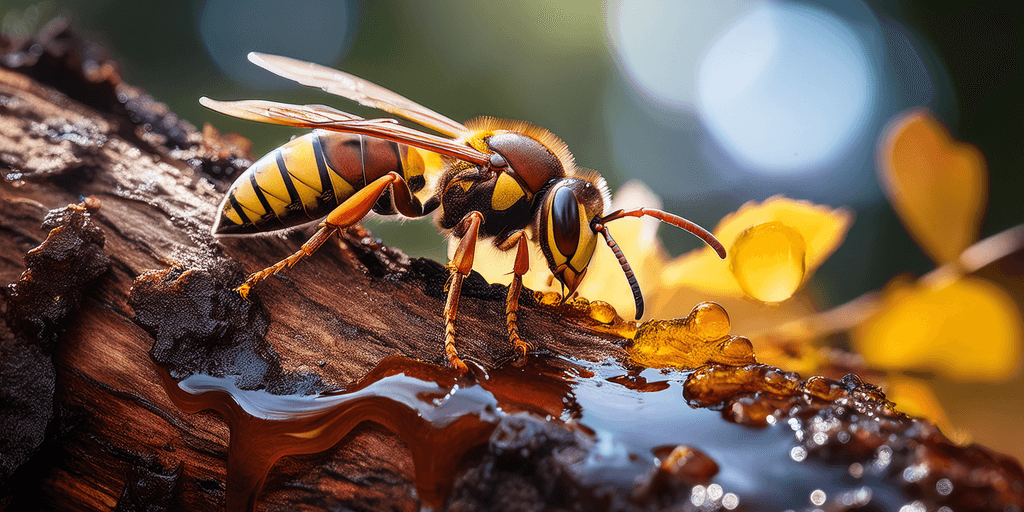
Hornets, these impressive insects often feared for their painful stings, are also important elements of biodiversity. But did you know they have marked preferences for certain types of trees? In this article, we explain which trees attract hornets the most, why they approach them, and how to manage them safely, especially if you have animals or beehives nearby.
Hornets' favourite trees
Hornets, whether European (Vespa crabro) or Asian (Vespa velutina), do not choose a tree at random to build their nest or look for food. Some trees attract them more, in particular because of their sap, the presence of other insects or cavities favourable to nesting.
Oak (Quercus spp.)
- Highly valued for its sap and for the many insects that live in it.
- Hornets often come here to hunt or gather material to build their nest.
Poplar (Populus spp.)
- A softwood tree, often hollow, ideal for housing a nest.
- Also attracts hornets because of the presence of bees or wasps, frequent prey.
Cherry trees (Prunus spp.) and other fruit trees
- A source of sugary food during the warm season.
- Ripe or fallen fruit attracts hornets, which love sugary juices.
Walnut trees (Juglans spp.)
- Frequently observed as a nesting site, particularly in wooded areas or orchards.
Maple trees (Acer spp.)
- Their sap is very attractive to hornets, especially in spring.
Why do hornets choose these trees?
Hornets are attracted to these trees for several reasons:
- Food: sap, ripe fruit, insects present on the tree.
- Nesting material: wood fibres are used to make their cellulose nest.
- Shelter: natural cavities in trunks, reassuring height.
Are hornets dangerous for animals?
Yes, hornets can pose a danger to animals, in particular:
- Dogs and cats that play or explore too close to the nest.
- Horses, if there is a nest in a shelter or hedge close to the paddock.
- Beehives, targeted by the Asian hornet to feed on bees.
Please note: the Asian hornet is a predator of bees. Its proliferation is a real threat to beekeeping and pollination.
How to keep hornets away naturally?
Here are some tips to limit their presence around your trees and your animals:
- Avoid fruit that has fallen to the ground, especially at the end of summer.
- Set up selective traps in spring, to capture the founding queens.
- Use natural repellents such as citronella or lavender essential oil, to diffuse on windowsills or sensitive areas.
- Call in a professional to remove a nest, especially if it is high up.
Recommended products to protect your animals
On Produits-veto.com, we offer solutions to keep harmful insects away while preserving the well-being of your companions:
- Insect repellents for dogs, cats and horses
- Selective hornet traps
- Soothing sprays in case of stings
- Natural soothing supplements for stressed animals
Discover our range of products and the solutions from our partners.
Do you have questions? (FAQ)
What is the Asian hornet's favourite tree?
The Asian hornet is particularly fond of oaks, poplars and fruit trees, which offer both food and shelter.
Where do hornets build their nest?
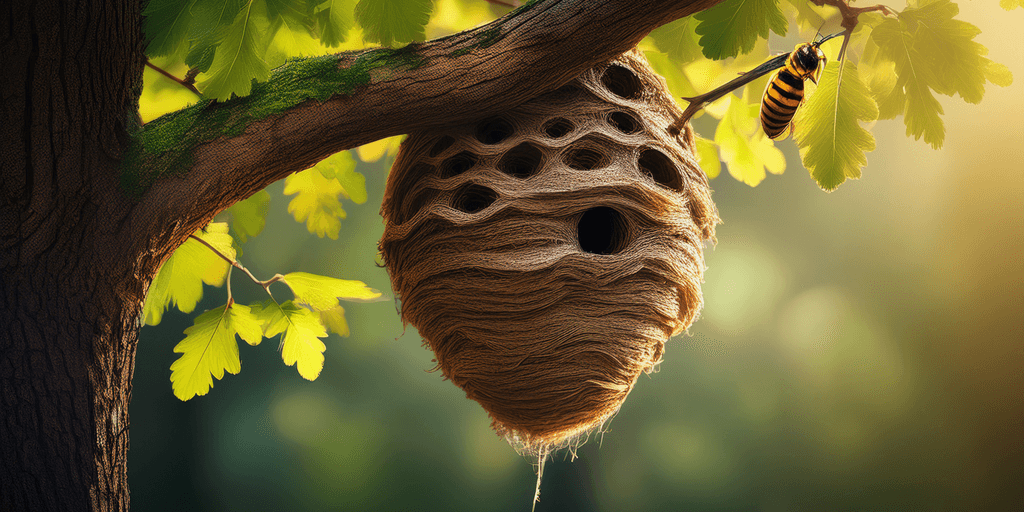
Hornets build their nest up high (trees, roofs) or sometimes in hedges, sheds or hollow trunks.
How to spot a hornets' nest in a tree?
A constant coming and going of insects, a regular buzzing sound and a balloon-shaped structure can indicate the presence of a nest.
Do hornets attack without reason?
No, but they become aggressive if they feel threatened, particularly if you get too close to their nest.
Hornets like certain trees such as oak, poplar or cherry trees for their food or shelter. Knowing which trees attract hornets helps you adopt the right preventive measures, especially when living with animals. For effective and respectful management of these insects, remember to use suitable products available on produits-veto.com.


