Stress and anxiety: The hectic life of our four-legged companions

Cécile de Produits-Veto
Pharmacy technician ·

Stress and anxiety in dogs and cats: What are the risks?
Hello to all animal lovers! Are you ready to dive into the exciting topic of stress and anxiety in dogs and cats? Even epilepsy can play tricks on our furry friends. Hold on tight, it's going to be quite a ride…
How to detect stress and anxiety in dogs and cats?
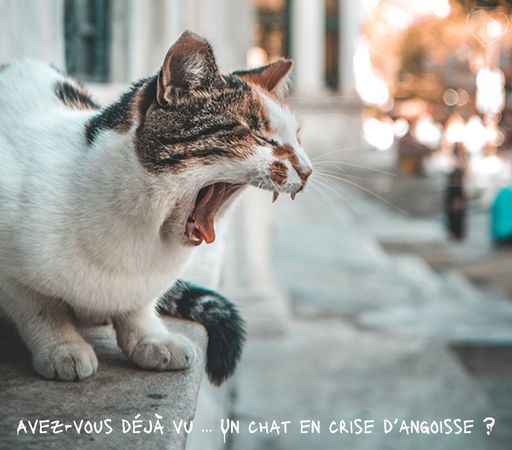
Now, how do you know if your bundle of fur is stressed, anxious or experiencing epileptic seizures? Observe its behaviours.
In Dogs
- Excessive agitation
- Trembling
- Incessant whining or barking
- Destructive behaviour (excessive scratching, chewing)
- Prostration or unusual social withdrawal
In Cats
- Raised fur
- Urine marking
- Agitation or fleeing
- Excessive vocalisation (plaintive or shrill meowing)
- Compulsive licking
Signs common to Dogs and Cats
- Loss of appetite
- Changes in sleeping habits
- Avoidance of social interactions
- Abnormally aggressive or fearful behaviour
If you notice changes in your pet's behaviour, don't hesitate to consult your veterinarian for personalised advice.
What are the consequences of stress and anxiety in our four-legged companions?
Stress and anxiety can have harmful effects on the health and general well-being of our four-legged companions. Among the most common consequences, we find:
- Health problems: Chronic stress can weaken the immune system, exacerbating gastrointestinal disorders, skin conditions, and more. Epileptic seizures can cause physical injuries.
- Undesirable behaviours: Aggression, excessive barking, destructive and avoidance behaviours can result from stress, anxiety and epilepsy.
- Emotional disturbances: Changes in sleeping habits, decreased social interaction and disinterest in activities may occur.
- Impact on the relationship: Behaviours linked to stress and anxiety can create emotional distance between the animal and its owner.
- Safety risks: Unpredictable behaviours can endanger the safety of the animal and those around it.
What can trigger an epileptic seizure in dogs?
Imagine: your dog, the king of naps and cuddles, suddenly has an epileptic seizure after a wild day at the park. Well, stress can be a triggering factor for certain sensitive bundles of fur. Indeed, epilepsy in dogs stems from their nervousness. Which just goes to show, even our most relaxed friends can have their moments of panic!

And what about our feline friends…
Cats are no exception when it comes to stress and anxiety. Between chases through the house and unexpected encounters with other neighbourhood cats, our felines can also have their fair share of worries.
What can trigger an epileptic seizure in cats?
Just like dogs, cats can be sensitive to various triggers of epilepsy. These include stress, sudden changes in the environment, infections, metabolic disorders and sometimes even unknown causes. This is why it is essential to closely monitor your cat and note the circumstances surrounding each seizure in order to identify the specific triggers in their case.
How to calm stress and anxiety in dogs and cats?
Now that you've identified the problem, how do you go about fixing it? Here are some tips to help your companion find their inner calm again:


Find our range of anti-stress products for dogs and anti-stress products for cats on our site.
- Encourage Physical Activity: Interactive play sessions and regular walks can help release tension and reduce anxiety.
In conclusion, our animal friends can sometimes experience stressful moments. With a little humour and a lot of love, we can make their lives as pleasant as possible. So, the next time you see your dog dealing with a panic attack or epilepsy, don’t forget to give them an extra dose of cuddles and treats. And, for our feline friends, don’t hesitate to offer them a little play session or a petting session to help them feel better.


