Deworming cats: When and how to do it, and what solutions are available?

Cécile de Produits-Veto
Pharmacy technician ·

Everything to know about cat wormer

When you share your life with a cat, one of the crucial responsibilities is looking after its wellbeing by regularly using a cat wormer. Ah, the joys of being a cat parent! Between the morning meowing, the mad dashes around the house at midnight and the fur that seems to multiply everywhere, there's plenty to keep you entertained. Don't worry though, we'll look into it together!
When should you give it?
Kittens and puppies are like sponges for parasites. So start giving cat wormer from the age of 15 days, every 2 weeks until 2 months, then monthly until 6 months.
It's like giving them an anti-parasite armour for their big adventure into the world. For our older, wiser friends, a dose of wormer every 3 months is enough to keep these parasites at bay. In short, it's their little ritual for saying "no thank you" to unwanted guests.
If you're wondering when the right time is to start the wormer battle, remember, regularity is key! So if you see your cat wandering around with a sign saying "I've got worms!", it's time to act.

What are the signs of a cat with worms?
Does your cat suddenly look like a model for the cover of Vogue? Mysterious weight loss? Kibble spat out as if it were training for a throwing contest? It might be time to say "hello" to the little life-saving tablets.
How do you know if a cat needs worming?
- On Adoption: Your new bundle of fur probably arrived with a few uninvited squatters. That's why it needs worming as soon as it arrives, for a parasite-free housewarming.
- Before the Great Romantic Adventure: If your cat is heading into the world of feline romance, make sure it's clean on the inside before playing Cupid.
- Baby on the Way: If your female cat is expecting kittens, she already has enough on her plate with her nine lives. So worm her to avoid passing the parasite baton on to the next generation.
- Post-Infestation: If your cat has already been the playground for a crowd of worms, a good sweep with a specific wormer is needed for a parasite-free fresh start.
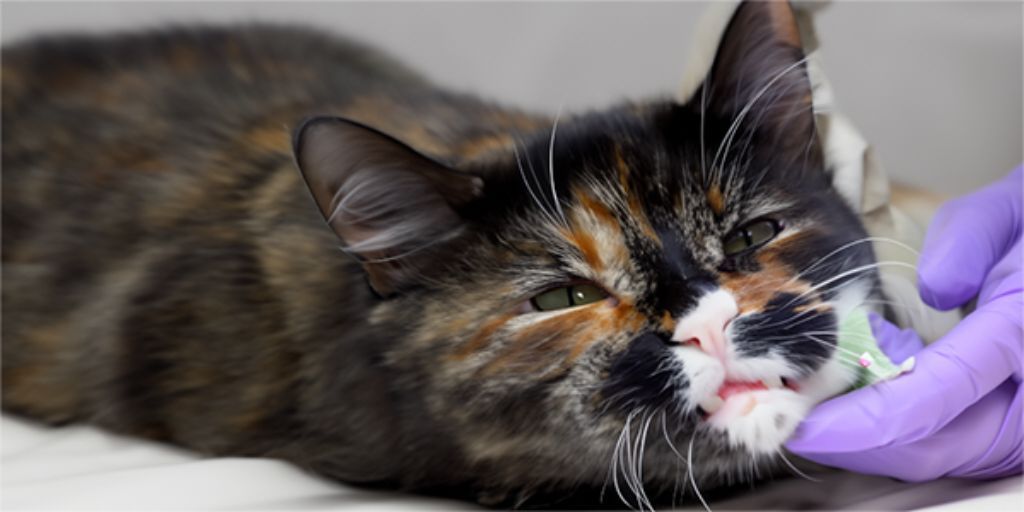
Discover our selection of cat wormer on produits-veto.com
At produits-veto.com, we are committed to providing the best products for your pet's health. Among our range of wormers, Milbemax stands out for its recognised effectiveness against roundworms and tapeworms.
In addition to Milbemax, we offer other trusted options:
- Drontal: For targeted protection against intestinal worms.
- Milbetel: An effective wormer against tapeworms and roundworms, easy to give thanks to its delicious meat flavour.
- Panacur: Ideal for young animals, it prevents infestations from an early age.
Trust produits-veto.com for effective, affordable worming solutions. So order now to ensure your four-legged companion's wellbeing!
Worming your cat may seem like a battle, but it's one you can win! With a bit of humour and a well-planned worming schedule, you can keep your cat healthy and ready for its next adventures. So arm yourself with patience, tablets and maybe even a few cat treats, and set off on this mission worthy of a feline superhero!
Frequently asked questions about cat wormer, our FAQ answers them briefly
When should you give a cat wormer?
It is recommended to worm a cat every three to six months, depending on its lifestyle and potential exposure to parasites. For kittens, it is advisable to start worming from the age of three weeks and repeat the treatment every two weeks until the age of three months. After that, you can set up a worming routine every six months.
What are the symptoms when a cat has worms?
Common symptoms indicating a cat has worms include:
– Vomiting or diarrhoea,
– Unexplained weight loss,
– Bloated or swollen belly,
– Dull, brittle coat,
– Itching around the anus (a cat "scooting" along the floor),
– Visible worms in the stool or around the anus.
It's important to watch for these signs and consult a vet if necessary.
What is the most effective wormer for a cat?
The choice of the most effective wormer depends on the type of worms present in the cat. Broad-spectrum products, such as Drontal, Milbemax or Pyrantel, are often recommended, as they act against several types of internal parasites. However, we always recommend consulting your vet to get the treatment best suited to your cat.
How do I know if my cat needs a wormer?
To determine whether your cat needs a wormer, watch for signs of infestation. If you notice vomiting, weight loss, a bloated belly or itching, it may need treatment. In addition, a stool test carried out by your vet can confirm the presence of parasites and help decide on the best treatment to give.
Does wormer make worms come out in cats?
Yes, most wormers cause worms to be expelled from the cat's digestive system. Indeed, these medicines paralyse or kill the parasites, allowing them to be eliminated in the stool. It is normal to see worms in your cat's stool after giving the wormer.


