Bird Breeding: When, How and Who?

Cécile de Produits-Veto
Pharmacy technician ·

Bird reproduction: how does it work?

Let's dive into the story of bird reproduction. These majestic flying creatures that amaze us with their songs and aerial acrobatics also have a little mischievous side. Explore everything there is to know about it, as we tackle the questions you've never dared to ask.
When does bird reproduction take place?
The variability of reproduction in birds actually depends on the species in question! Some are spring romantics, preferring to get up to their amorous antics when the flowers start to bloom and love is in the air. Others prefer summer, basking in the sun and raising little chicks during their summer holidays. In short, there's something for every taste!
How does bird reproduction happen?
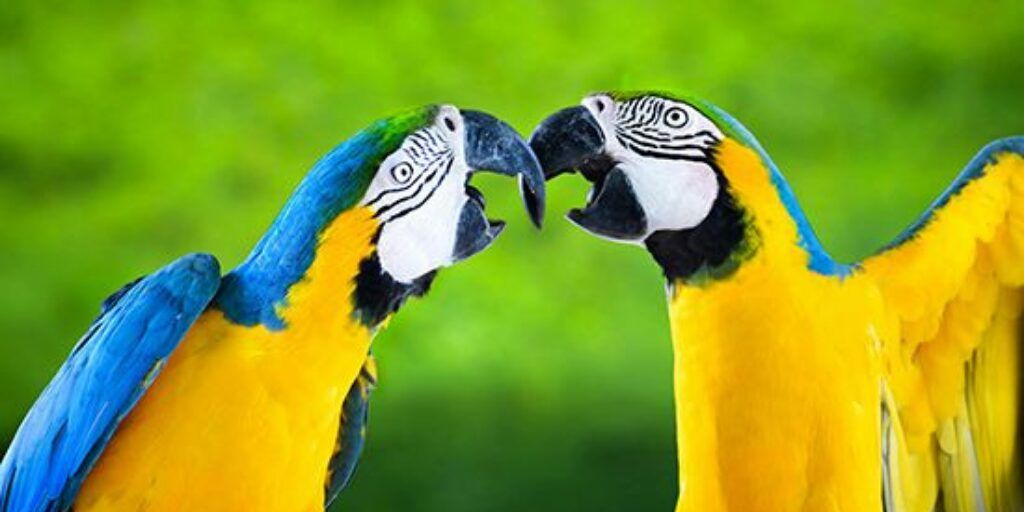
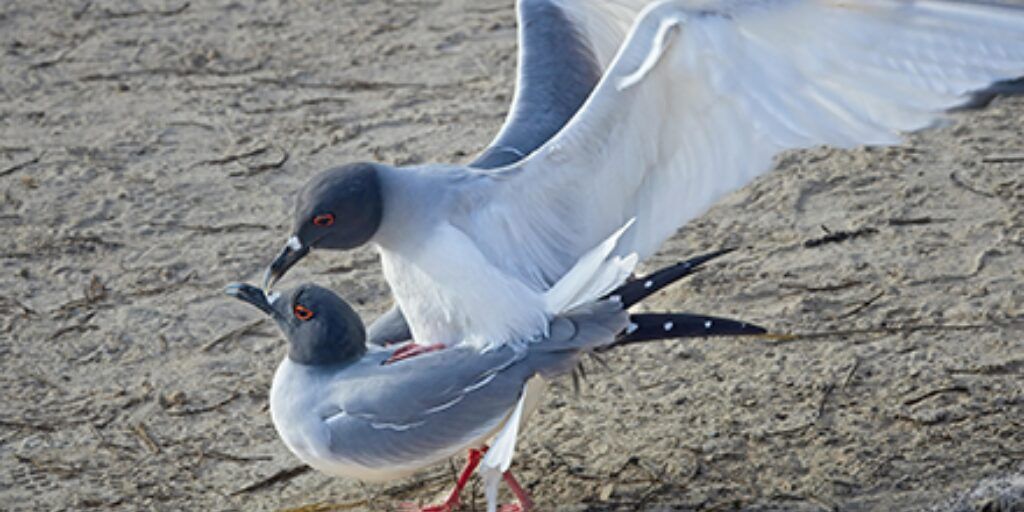
You're probably wondering how reproduction in birds actually works. Picture a speed-dating evening (or a Bastille Day dance, for the older generation), but a bird version. Males show off their finest plumage, sing love songs and perform acrobatic pirouettes to impress the females. Once they've found their soulmate, they set about building the most extravagant nest possible to win over their partner. Then it's time to lay eggs, and from there we'll let you imagine the rest — you'll never look at Woody Woodpecker the same way again!
In which month do birds build their nests?
It's a bit like the sales: some start early to get the best spot, while others prefer to wait until the end of the season to take advantage of last-minute deals. Generally speaking, spring is the favoured time for nest-building, but some birds can be a bit lazy and wait until summer to get seriously started.
Which bird reproduces easily?
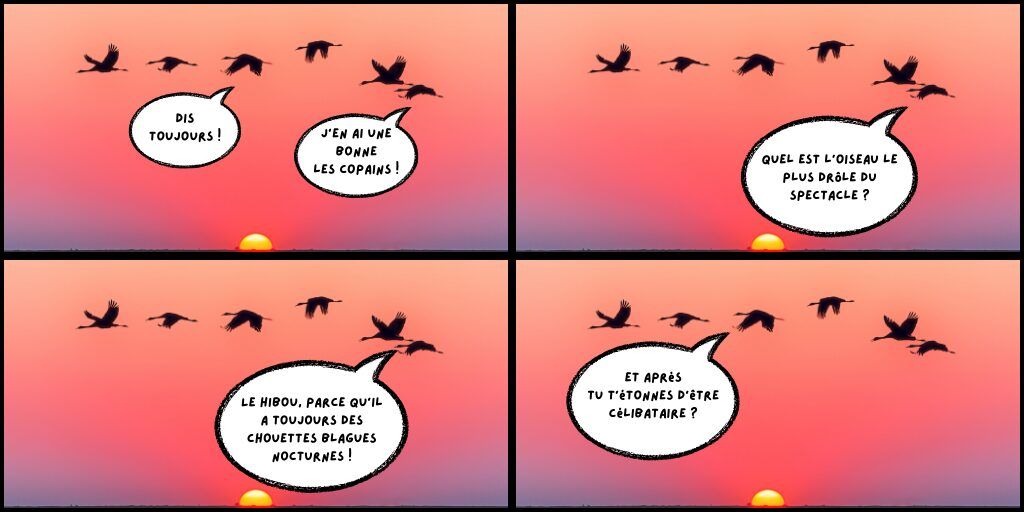
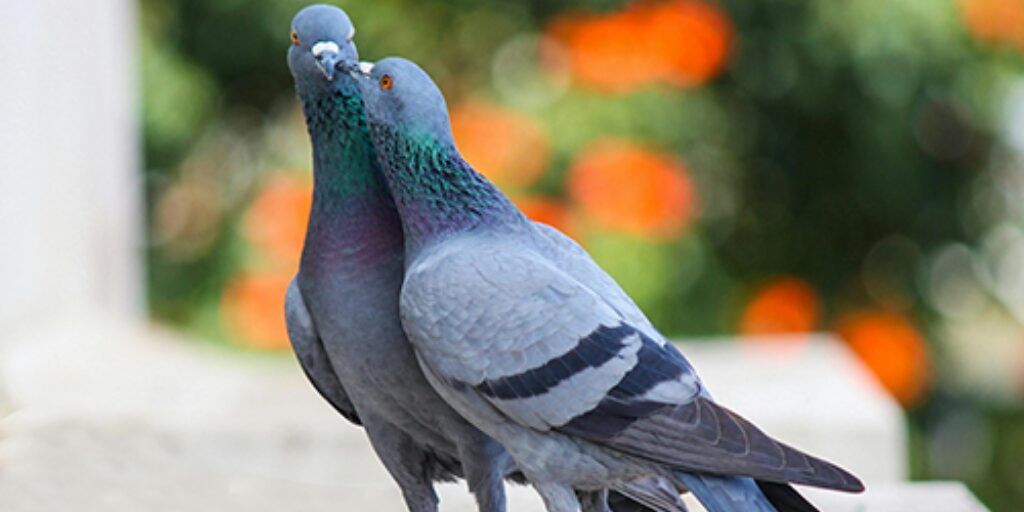
Well, you could say that pigeons are a bit like the rabbits of the skies! With their ability to reproduce quickly and in large numbers, they're the kings of reproduction. We could also mention sparrows, which always seem to have a brood of little beaks to feed in their nests.
The different reproductive strategies of birds
Here's an overview of some of the most fascinating methods used by different species:
- Migratory birds: Some bird species, such as storks and swallows, travel thousands of kilometres every year to find suitable breeding sites. Their reproduction is closely tied to their seasonal journeys, with breeding periods in specific regions along their migratory route.
- Nesting birds: These species, such as woodpeckers and tits, invest a great deal of time and energy in building complex nests. These nests can be located in a variety of places, such as tree holes, cliffs or dense bushes, offering protection and shelter for the eggs and chicks.
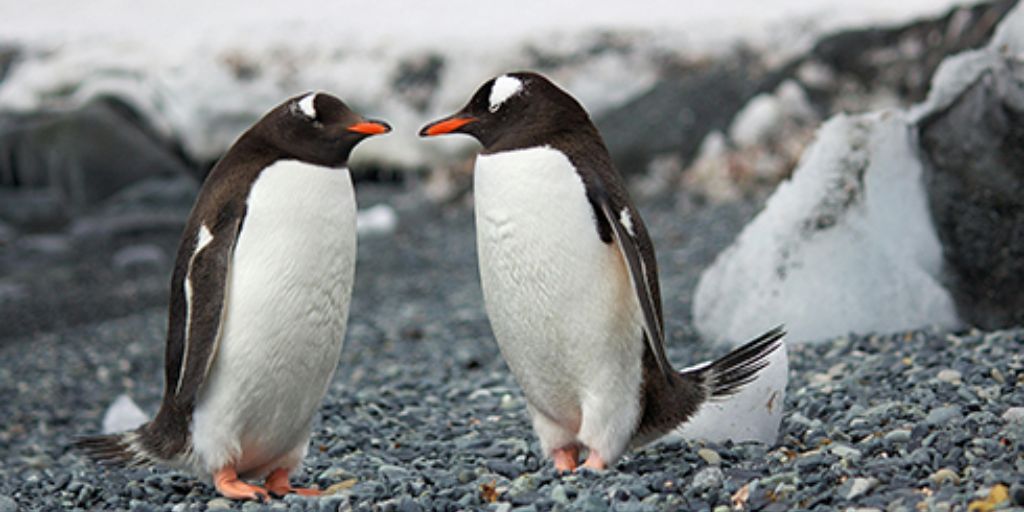
- Brooding birds: Some species, such as penguins and auks, incubate their eggs by brooding them with their own bodies. Pairs take turns incubating the eggs over extended periods, sometimes several weeks, until the chicks hatch.
- Parasitic birds: Some birds, such as the cuckoo and the cowbird, adopt a parasitic reproductive strategy. Instead of building their own nests, these birds lay their eggs in the nests of other species, which then raise the cuckoo chicks as if they were their own.
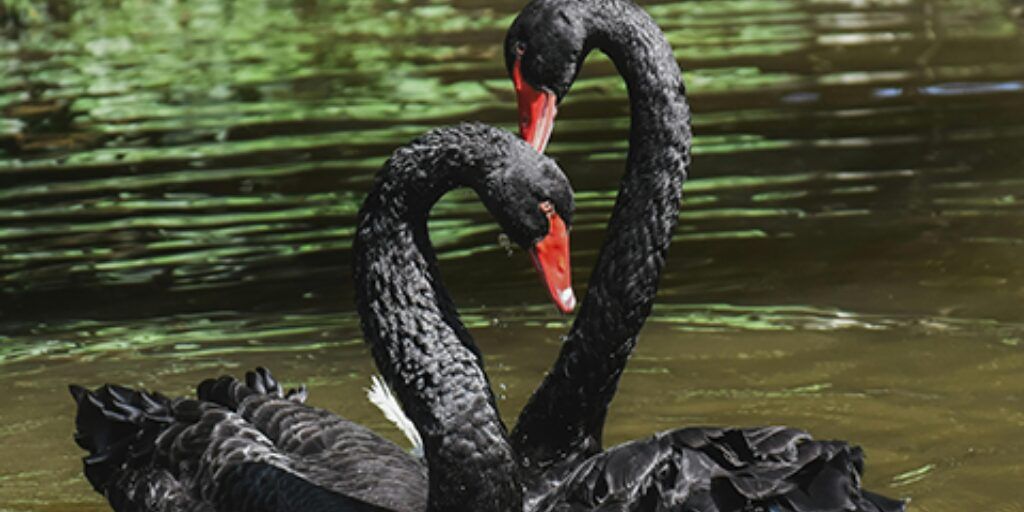
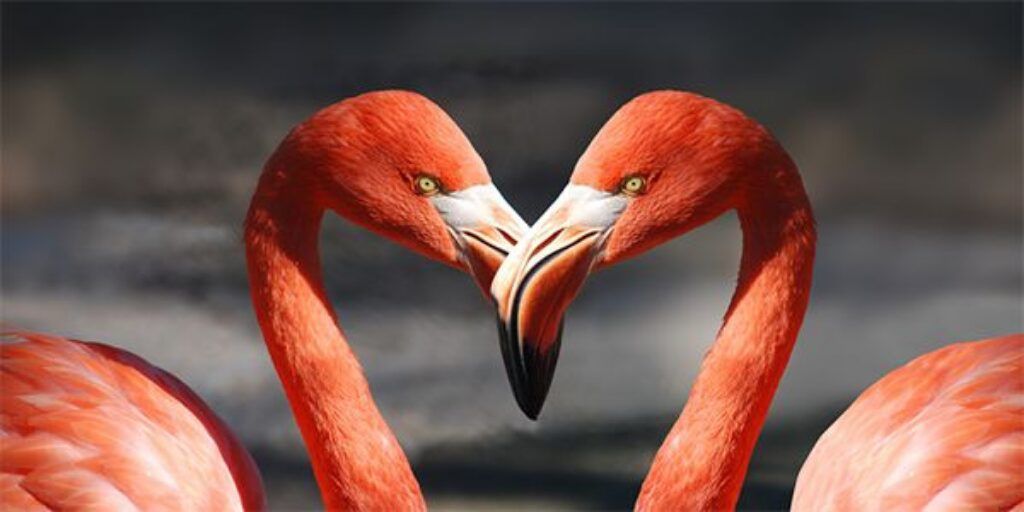
- Monogamous birds: Many bird species, such as swans and albatrosses, form lasting monogamous bonds with a single partner. They generally breed with the same partner year after year, reinforcing social and parental bonds within the pair.
Each bird species has developed unique adaptations to meet the challenges of reproduction in its specific environment, demonstrating the richness of avian diversity and evolutionary strategies within the animal kingdom.
What about other species?
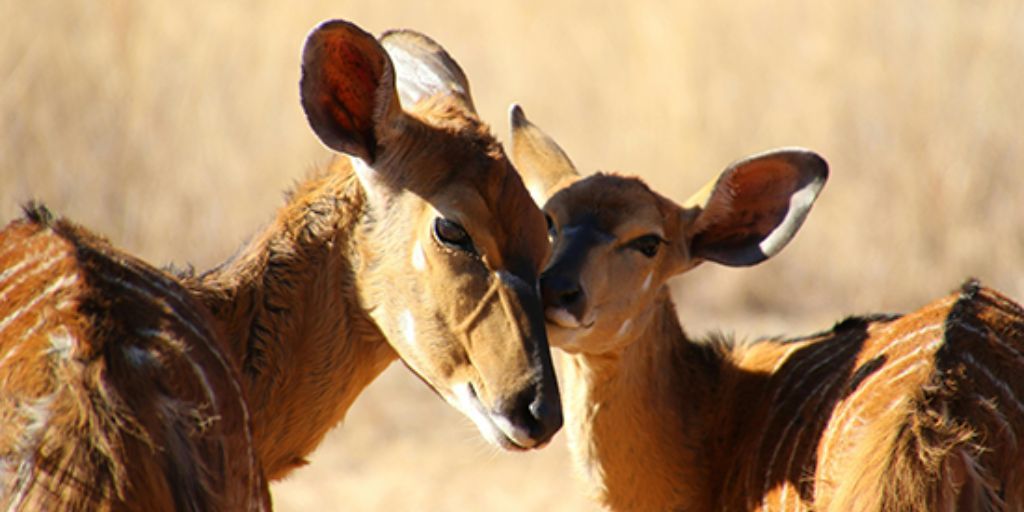
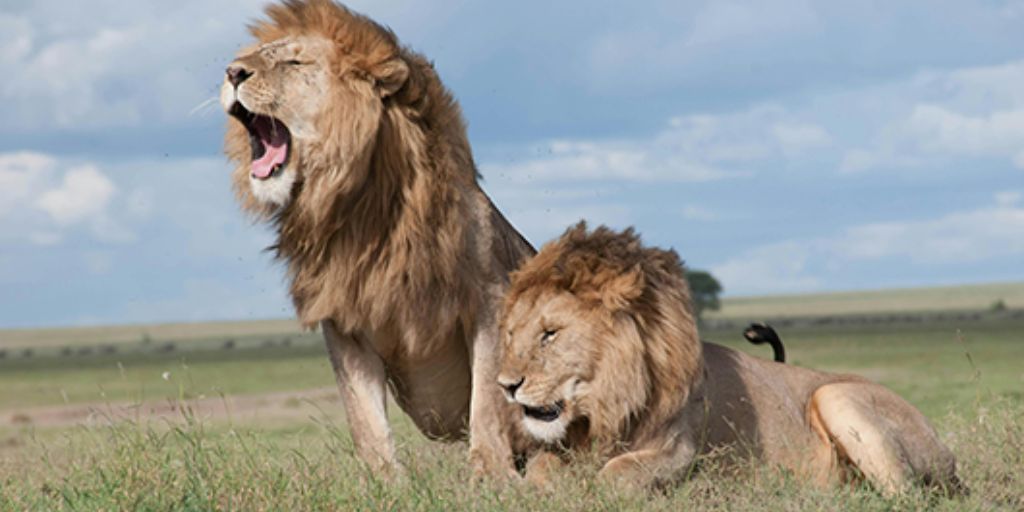
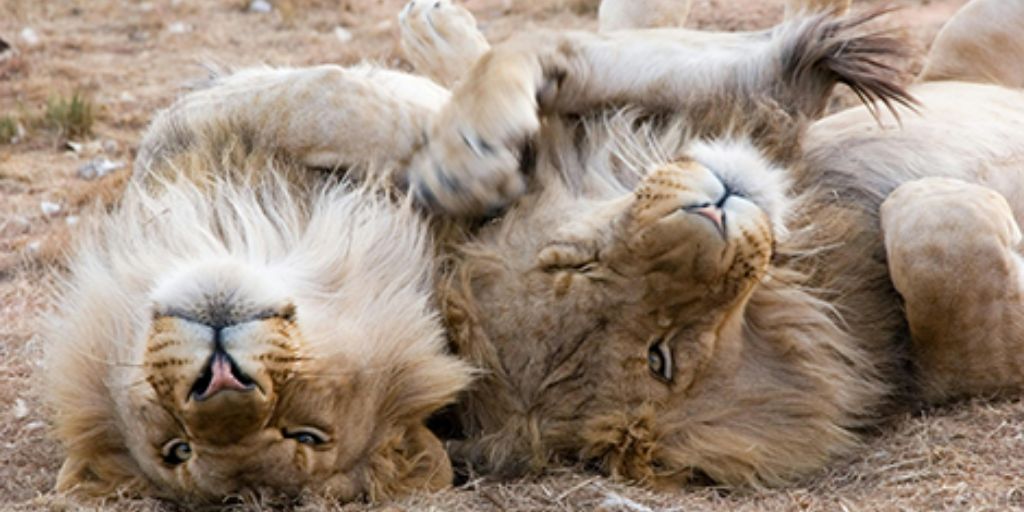
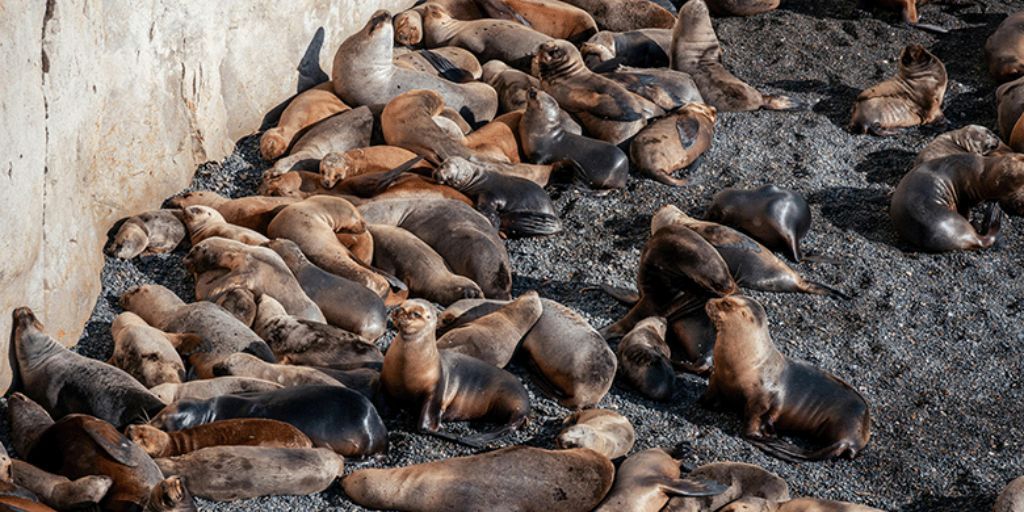
But birds aren't the only ones with fascinating reproductive strategies. In the animal kingdom, every species has its own techniques for ensuring its survival and passing on its line. For example:
- Marine mammals such as dolphins and whales perform elaborate courtship displays to attract a mate.
- Insects, such as bees and butterflies, use a variety of strategies to court and reproduce.
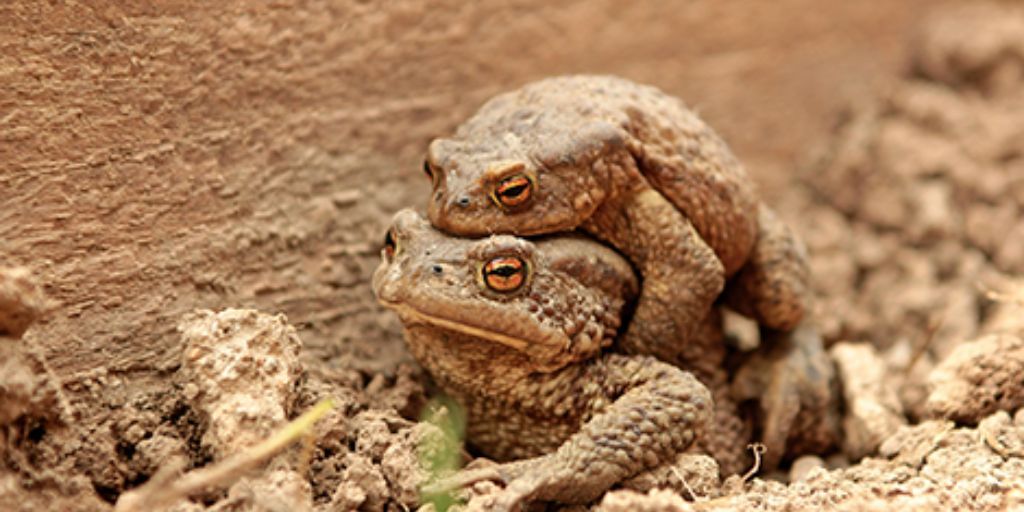
- Amphibians, such as frogs, use specific calls to attract mates during the breeding season.
- Even plants have unique reproductive mechanisms, such as pollination by insects or the production of seeds and cones in conifers.
Each species has evolved techniques suited to ensuring the continuation of its line, demonstrating the diversity and complexity of reproduction in the animal and plant kingdoms.
Discover our full range of bird medicines on produits-veto.com! From nutritious seeds to fun toys, we have everything you need. Your feathered friends need these products to stay healthy and happy. Browse our catalogue now for exclusive offers. Enjoy fast delivery too.
In conclusion, reproduction in the animal and plant kingdoms is a diverse and fascinating process. Each species has developed unique strategies to ensure its survival and pass on its line. Bird reproduction blends romance, competition and pure madness. Next time you hear a bird singing in spring, spare a thought for that little rascal wooing his sweetheart! If you have any questions about the health and wellbeing of your feathered friends, head to produits-veto.com. You'll find everything you need there, with a dose of humour thrown in!


