LABORATOIRES MOUREAU
(2)
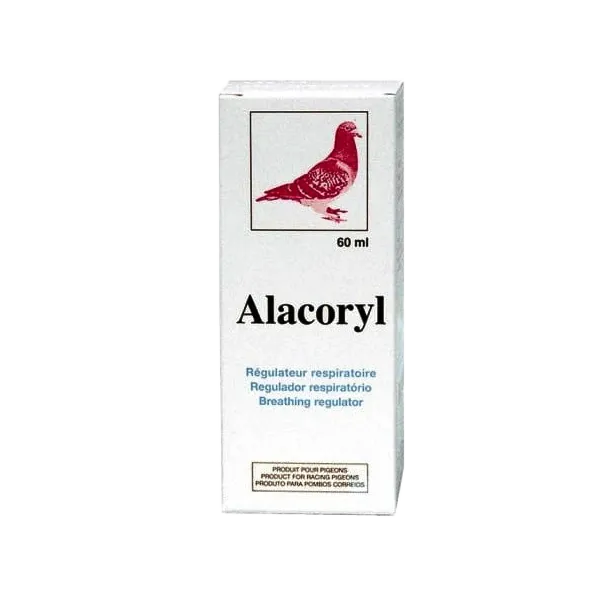
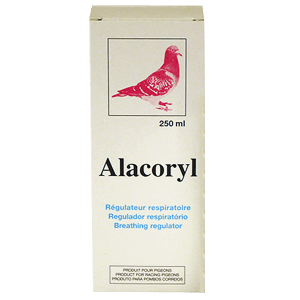
Alacoryl - Respiratory regulator - Pigeons - 250 ml - MOUREAU
In stock
24,92 €
Unavailable in your country

We do not currently ship to your country (États-Unis).
Free shipping from €99
In mainland France
Dispatched within 24h
From the Pharmacie de l'Envigne (86)
Delivery within 2 to 4 days
In mainland France
Secure payment
Encrypted transaction
ANSES-approved pharmacy
Advice from qualified pharmacists
Respiratory conditions in backyard poultry are common in family farming as well as in small flocks. Climate variations, humidity or overcrowding favour the onset of respiratory disorders. Coughing, sneezing, nasal discharge or a drop in vitality should alert the keeper. Prompt care limits complications and protects the whole flock.
Avicorizall 250 ml SENNECQ BONNE supports poultry during periods of respiratory fragility. Its liquid form allows for simple administration in drinking water. This way, distribution remains even and suited to backyard flocks.
Avicorizall is used in poultry, ducks, pigeons and other backyard birds. Its liquid form makes daily use easier. You add it directly to the drinking water, which simplifies management across the flock.
Respiratory conditions in backyard poultry can spread quickly. Careful monitoring of the henhouse environment remains essential. Ventilation, hygiene and appropriate stocking density help limit risks. However, during sensitive periods, specific support may prove useful to help the body cope.
The respiratory system of poultry is particularly sensitive. Ammonia from droppings, dust from bedding or sudden temperature changes weaken the mucous membranes. In addition, stress weakens natural defences. Respiratory conditions in backyard poultry then appear more easily, especially in autumn and winter.
Rigorous management of the housing limits these factors. However, when signs appear, prompt action is needed. Avicorizall can support this approach alongside good farming practices.
This product does not replace a treatment prescribed by a veterinarian in the case of a confirmed infection. If symptoms persist, a consultation remains essential.
Lower respiratory infections affect the bronchi and lungs. In poultry, they can show as noisy breathing, coughing or lethargy. These respiratory conditions in backyard poultry require careful monitoring. They may be of bacterial, viral or environmental origin. Precisely identifying the cause helps tailor the care provided.
In poultry, respiratory disorders notably include rhinitis, bronchitis, tracheitis, pneumonia and sinusitis. These respiratory conditions in backyard poultry sometimes present similar symptoms. Nasal discharge, sneezing and reduced appetite are common. Careful observation of the flock's behaviour helps detect any abnormality quickly. In case of doubt, a veterinarian's opinion remains essential.
Treatment depends on the origin of the disorder. A bacterial cause may require an appropriate veterinary prescription. In addition, improving farming conditions plays a central role. Reducing humidity, improving ventilation and keeping bedding clean limit the spread. In addition, targeted support can help poultry in cases of respiratory conditions in backyard poultry. However, an accurate diagnosis remains the priority.
Lower respiratory disturbances often result from a combination of factors. Excessive humidity, draughts or a high concentration of ammonia weaken the respiratory tract. Stress and high density also increase the flock's sensitivity. Respiratory conditions in backyard poultry then appear more easily. Effective prevention relies on hygiene, ventilation and proper management of the housing.
Les infections respiratoires basses touchent les bronches et les poumons. Chez les volailles, elles peuvent se manifester par une respiration bruyante, une toux ou un abattement. Ces affections respiratoires de la basse cour nécessitent une surveillance attentive. Elles peuvent être d’origine bactérienne, virale ou environnementale. Une identification précise de la cause permet d’adapter la prise en charge.
Chez les volailles, les troubles respiratoires incluent notamment les rhinites, bronchites, trachéites, pneumonies et sinusites. Ces affections respiratoires de la basse cour présentent des symptômes parfois similaires. Écoulements nasaux, éternuements et baisse d’appétit sont fréquents. Une observation rigoureuse du comportement du lot aide à détecter rapidement toute anomalie. En cas de doute, l’avis d’un vétérinaire reste essentiel.
Le traitement dépend de l’origine du trouble. Une cause bactérienne peut nécessiter une prescription vétérinaire adaptée. Par ailleurs, l’amélioration des conditions d’élevage joue un rôle central. Réduire l’humidité, améliorer la ventilation et maintenir une litière propre limitent la propagation. En complément, un soutien ciblé peut accompagner les volailles en cas d’affections respiratoires de la basse cour. Toutefois, un diagnostic précis demeure prioritaire.
Les perturbations respiratoires basses résultent souvent d’un cumul de facteurs. L’humidité excessive, les courants d’air ou une forte concentration d’ammoniac fragilisent les voies respiratoires. Le stress et la densité élevée augmentent également la sensibilité du lot. Les affections respiratoires de la basse cour apparaissent alors plus facilement. Une prévention efficace repose sur l’hygiène, la ventilation et une gestion adaptée du bâtiment.