Veterinary medicine
VETO-PHARMA
(8)
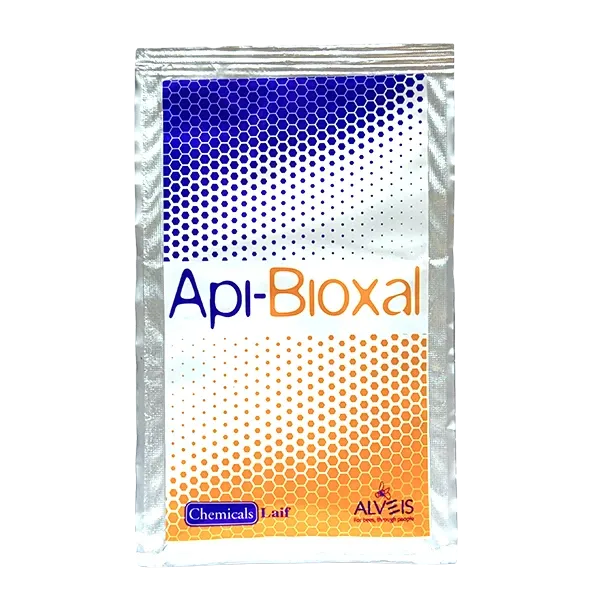
Api-Bioxal - Oxalic acid for varroa treatment in Bees - 31 g - VETO-PHARMA
In stock
21,50 €
Unavailable in your country
The price applies automatically based on the quantity added to the cart.
We do not currently ship to your country (États-Unis).
Free shipping from €99
In mainland France
Dispatched within 24h
From the Pharmacie de l'Envigne (86)
Delivery within 2 to 4 days
In mainland France
Secure payment
Encrypted transaction
ANSES-approved pharmacy
Advice from qualified pharmacists
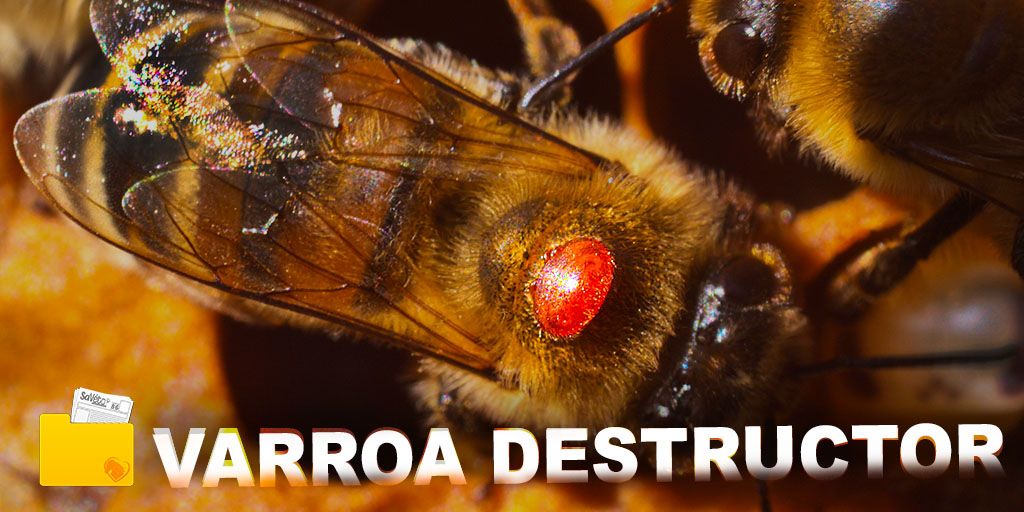
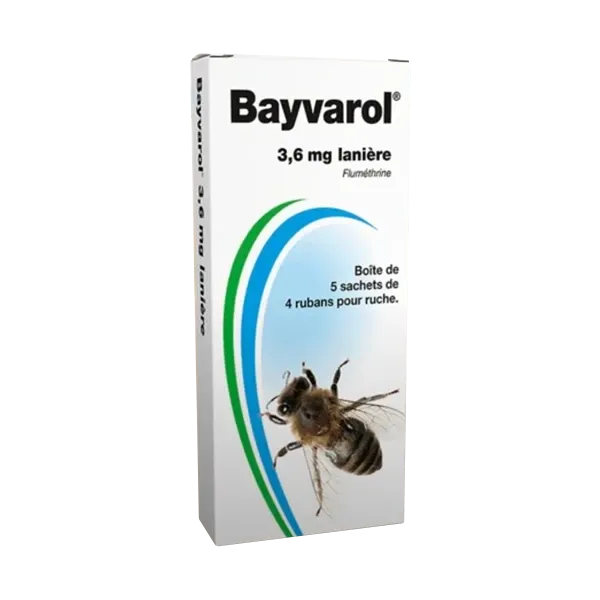
Bayvarol is an acaricidal veterinary treatment designed to control varroa destructor, a major bee parasite responsible for significant colony losses in modern beekeeping.
This mite attacks:
It feeds on their tissues and promotes the transmission of viruses, leading to reduced hive vitality, decreased production, and sometimes the complete collapse of colonies.
Using a structured anti-varroa treatment is therefore essential to maintain the health of the apiary.
Fluméthrine is an acaricidal substance from the pyrethroid family used in veterinary beekeeping medicine to fight varroa destructor.
It works through direct contact between the Bayvarol strips and the bees, which then spread the active substance throughout the hive through social interactions.
Its main properties:
This mode of application allows regular control of the parasite while limiting stress on the colony.
Fluméthrine acts on the mite's nervous system by disrupting nerve impulse transmission. It causes progressive paralysis of the mite, leading to its fall and death.
Thanks to progressive diffusion via the Bayvarol strips, the treatment acts:
This controlled diffusion provides high effectiveness when the conditions of use are respected.
The fight against varroa destructor today relies on an integrated strategy combining:
Bayvarol fits fully into these health protocols recommended in both professional and amateur beekeeping.
It is particularly useful after the main honey harvest or according to the local health calendar.
As with any veterinary anti-varroa medicine, it is recommended to alternate Bayvarol with other authorized solutions:
This treatment rotation allows:
Monitoring the infestation level can be facilitated with the EasyCheck Véto-Pharma test, useful for adapting the treatment protocol to the apiary.
Bayvarol comes in 5 sachets of 4 strips, i.e. 20 strips in total.
This format suits:
Each hive generally requires 4 strips per colony according to usage recommendations.
This pack allows clear management of varroa treatment across several hives, while optimizing apiary organization.
The 20-strip Bayvarol pack allows several colonies to be treated with an excellent price / number of treated hives ratio.
This format:
It is a particularly suitable solution for beekeepers wishing to structure their anti-varroa program.
Bayvarol is generally used:
Respecting these periods of use helps preserve honey quality and consumer safety.
Yes. Bayvarol is an effective anti-varroa treatment when used according to the recommendations. It acts for 4 to 6 weeks thanks to the progressive diffusion of fluméthrine within the colony. It is generally advised after the main honey harvest or according to the apiary's health calendar in order to achieve optimal effectiveness against varroa mites present in the hives.
The standard protocol generally recommends 4 strips per hive. They should be hung between frames occupied by bees to ensure homogeneous diffusion of the active substance throughout the colony. Proper positioning of the strips greatly improves treatment effectiveness.
Bayvarol is available without a veterinary prescription. It can be purchased from specialized beekeeping health suppliers or online on Produits-Veto. Buying online makes it easy to compare price, availability, and fast delivery conditions in order to organize the apiary's treatment.
As with any molecule used in beekeeping, resistance phenomena can appear with repeated use without rotation. It is therefore recommended to integrate Bayvarol into a rotation strategy with other authorized treatments in order to preserve its effectiveness over time.
Bayvarol should not be used during the nectar flow. Its use is recommended outside the production period to avoid any risk of residues in the honey. Respecting the periods of use guarantees the health quality of hive products.
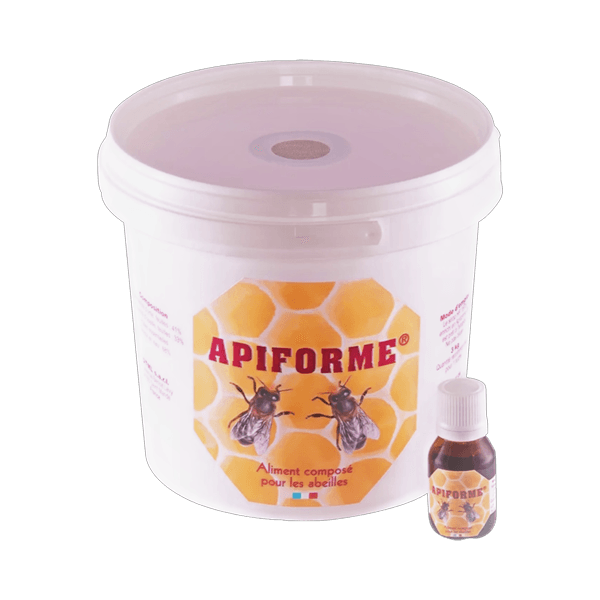
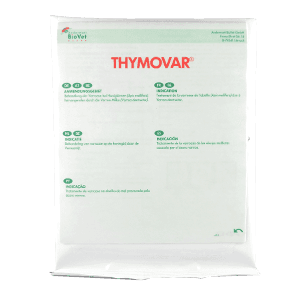
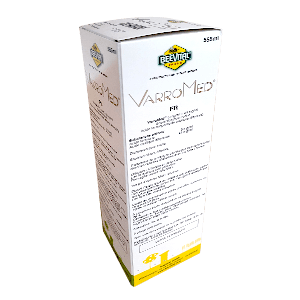
These treatments belong to different families:
They are complementary in health rotation strategies. Alternating them helps optimize control of varroa destructor while limiting the emergence of resistance.
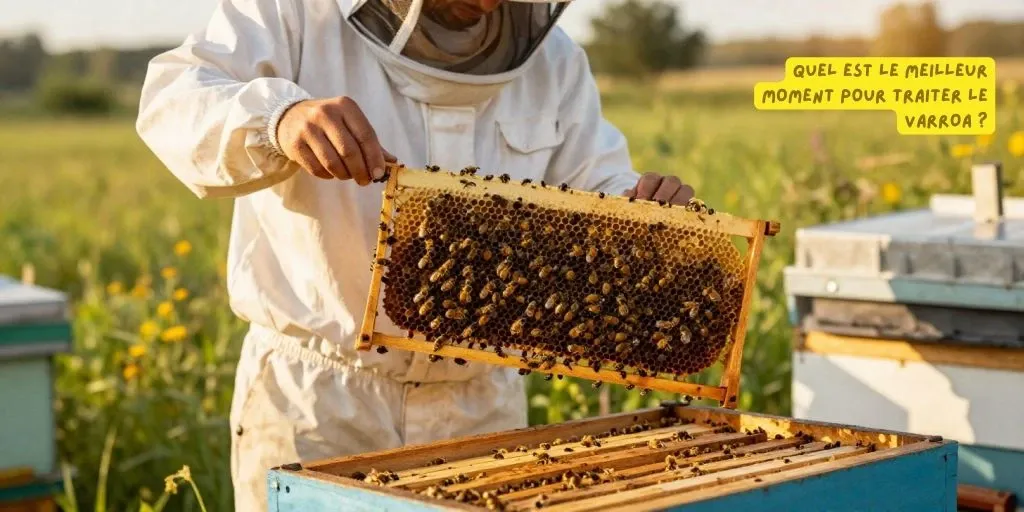
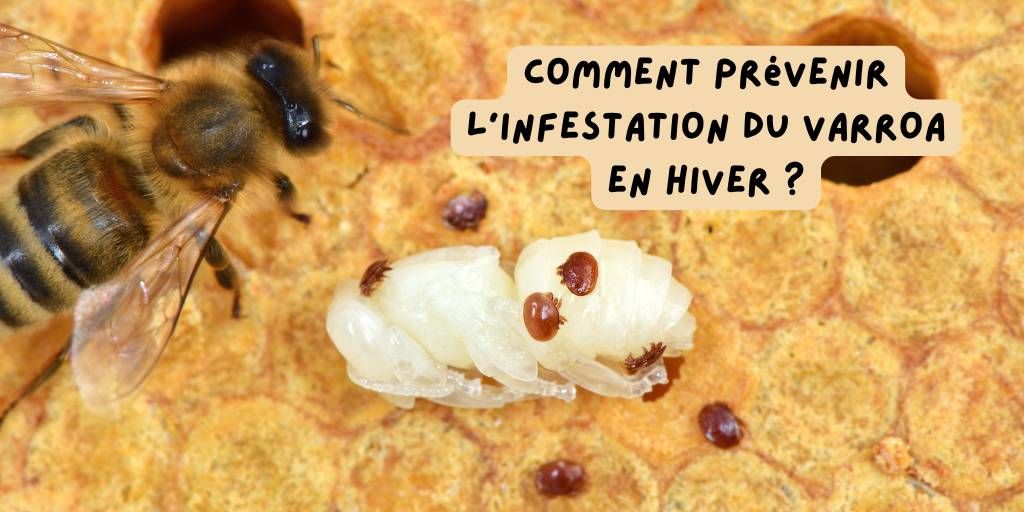
Le varroa est un acarien brun-rouge visible à l’œil nu sur les abeilles ou au fond de la ruche. Il est souvent détecté par l’observation de chutes naturelles, l’ouverture du couvain ou des signes d’affaiblissement de la colonie, comme une baisse d’activité ou des malformations des abeilles.
Le varroa se propage principalement par le pillage, la dérive des abeilles entre ruches et l’introduction de colonies infestées. Une fois présent, il se multiplie rapidement dans le couvain, rendant la surveillance indispensable.
Il n’existe pas de solution unique pour éliminer durablement le varroa de l’abeille. La stratégie repose sur une lutte intégrée, combinant traitements vétérinaires autorisés, rotation des molécules, suivi des infestations et bonnes pratiques apicoles. Bayvarol fait partie des solutions utilisées dans ces protocoles.
Le varroa est un parasite externe de l’abeille, responsable de la varroase. Sans traitement, il conduit à l’effondrement progressif des colonies. Sa gestion est aujourd’hui un enjeu majeur de l’apiculture moderne.