SENNECQ BONNE
(1)
Avicorizall - Respiratory conditions in backyard poultry - 250 ml - SENNECQ BONNE
In stock
11,58 €
Unavailable in your country
We do not currently ship to your country (États-Unis).
Free shipping from €99
In mainland France
Dispatched within 24h
From the Pharmacie de l'Envigne (86)
Delivery within 2 to 4 days
In mainland France
Secure payment
Encrypted transaction
ANSES-approved pharmacy
Advice from qualified pharmacists
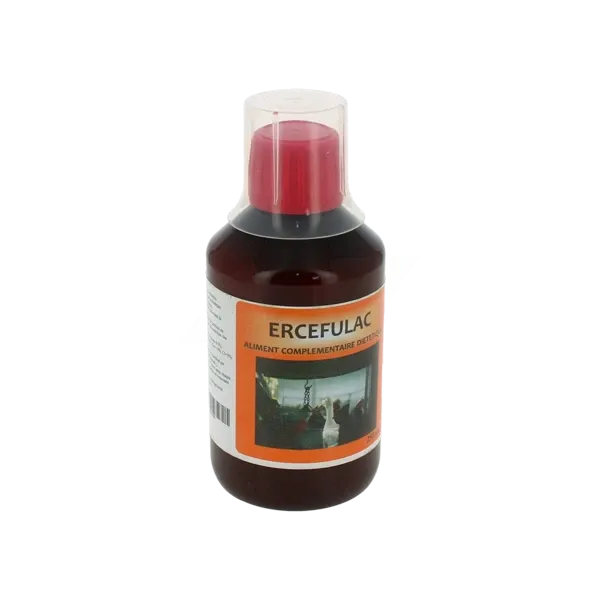
Ercefulac is a liquid dietary complementary feed intended for farm birds. SENNECQ BONNE positions it for chronic anemia resulting from a parasitic disease. The product is intended for all poultry and all game birds.
The laboratory also recommends it during certain rearing periods that expose birds to significant stress. These situations may be accompanied by sudden and abnormal mortality within the group.
Are you noticing a decline in condition or unusual mortality in your flock? These signs require prompt investigation of their cause. Anemia may result from blood loss, a chronic disease, poisoning or a parasitic infestation.
Ercefulac provides nutritional support in the situations specified by its manufacturer. However, it does not help identify the cause of the anemia.
The product comes as an oral solution in a 250 ml bottle. SENNECQ BONNE also offers Ercefulac in several larger packaging sizes intended for farms.
Ercefulac is neither an antiparasitic veterinary medicine nor a vaccine. Specific management remains necessary when parasites or an infectious disease are confirmed.
The official declared composition for Ercefulac includes:
The available official documentation does not specify the plant species used. It also does not mention iron, vitamin B12 or folic acid in the composition presented.
These nutrients should therefore not be attributed to Ercefulac without further confirmation on the bottle label.
SENNECQ BONNE links Ercefulac to chronic anemia resulting from a parasitic disease. Certain parasites can cause blood loss or lastingly disrupt the general condition of birds.
However, Ercefulac does not directly destroy parasites. The product provides nutritional support for birds within the framework indicated by the laboratory.
Identifying the parasite remains essential. It allows a strategy to be chosen that is suited to the species raised and the infestation observed.
Measures may in particular concern the hygiene of the premises, litter management and the use of an appropriate antiparasitic product. However, they depend on the diagnosis established.
The laboratory also recommends Ercefulac during rearing periods that expose birds to stress factors. These may stem from environmental, sanitary or zootechnical conditions.
A change of housing, high density, temperature variations or a disease within the group can disturb birds. An unbalanced diet can also weaken their general condition.
Ercefulac is then part of a comprehensive approach to flock monitoring. It does not replace correcting unfavourable conditions.
Sudden or abnormal mortality always requires rapid intervention. Isolate affected individuals when possible and contact a veterinarian.
Infectious avian anemia is a viral disease affecting chickens. It is caused by the chicken infectious anemia virus.
The disease particularly affects young birds. It can cause severe anemia, reduced growth, hemorrhages and damage to the bone marrow.
The virus can also weaken immune defenses. Birds then become more susceptible to other infections.
Ercefulac is not a treatment against this virus. It does not replace biosecurity measures, vaccination when indicated, or veterinary care.
If in doubt, ask your veterinarian for advice.
The condition of birds must be closely monitored. Anemia is not a single disease but the possible consequence of various conditions.
A veterinary assessment may include a clinical examination, a parasitic screening and a blood test. These examinations help avoid inappropriate management.
Ercefulac supports poultry and game birds affected by chronic anemia linked to a parasitic disease. SENNECQ BONNE also recommends it during certain stressful periods in rearing.
Its official composition includes water, sodium chloride and plant-based aromatic substances. No other active ingredient should be attributed to it without checking the label.
Ercefulac provides nutritional support. It does not directly treat parasites and does not act against the infectious avian anemia virus.
The bottle contains 250 ml of oral solution. Abnormal mortality, marked weakness or rapid deterioration require veterinary consultation.
Anemia can cause weakness, reduced activity, loss of appetite or decreased growth. Some birds also show an abnormally pale comb, wattles or visible tissues.
These signs remain non-specific. They can also appear during an infection, a parasitic infestation, poisoning or another chronic disease.
Only a veterinary examination can confirm anemia. A blood test in particular measures red blood cells, hematocrit and hemoglobin concentration.
Infectious avian anemia is a viral disease affecting chickens. It is caused by the chicken infectious anemia virus, also known as Chicken Anemia Virus.
In young chickens, it can cause anemia, weight loss, hemorrhages and bone marrow damage. It can also lead to immunosuppression.
Ercefulac does not treat this viral infection. Prevention mainly relies on biosecurity, flock health management and vaccination when indicated.
A sick bird may become less active, isolate itself or keep its feathers puffed up. It may also eat less, drink less or show a change in its droppings.
Difficulty breathing, discharge, loss of balance or an inability to move are also important signs.
Birds often conceal their weakness. A subtle change in behaviour may therefore signal an already advanced problem.
Sudden mortality, several sick birds or rapid deterioration are major warning signs. Breathing difficulty or an inability to remain standing also require rapid intervention.
Hemorrhages, nervous disorders, persistent diarrhea or a sharp drop in feed intake should also draw attention.
Isolate affected birds when possible. Then contact a veterinarian to identify an infectious, parasitic, dietary or toxic cause.