Understanding stress in rabbits

Cécile de Produits-Veto
Pharmacy technician ·

Stress in rabbits is a natural reaction to a change in their environment or to a situation perceived as a threat. This physiological mechanism can quickly become problematic, as the rabbit remains a sensitive animal, vulnerable to changes in routine, noise, transport or difficult cohabitation with other animals. This article presents the causes, symptoms and suitable solutions.
Identifying and understanding stress factors in rabbits
Why is stress dangerous for rabbits?
Stress can weaken their immune system. It can also cause a decrease in appetite, a drop in activity and serious digestive disorders. In rabbits, a halt in intestinal transit can become a life-threatening emergency.
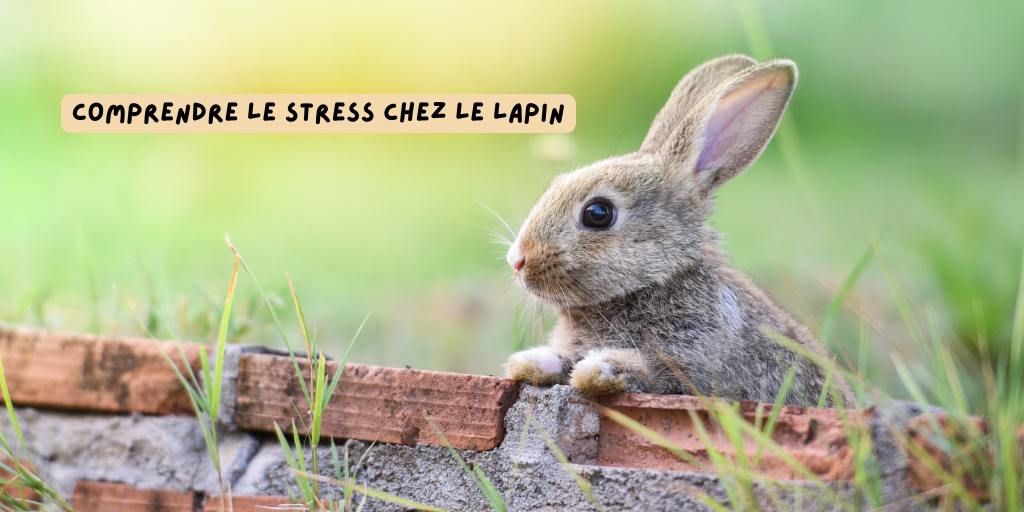
The most common causes
Stress factors include:
- Changes in environment
- Transport
- Lack of space or enrichment
- Loneliness, or conversely, conflictual cohabitation
- Loud noises
- Poor handling
- Pain or an underlying illness
These factors can trigger a state of stress that weakens the animal.
Symptoms to watch for
A stressed rabbit generally shows:
- Rapid breathing
- Trembling
- A hunched posture
- A decrease in appetite
- A slowdown in intestinal transit
- Repetitive behaviours such as excessive scratching
- Localised hair loss
The earlier the signs appear, the faster the response must be.
Recommended veterinary solutions
Several solutions can help your pet:
- Create a calm, enriched and secure environment
- Improve their diet to reduce stress-related digestive disorders
- Use suitable calming supplements
Recommended products on Produits-Veto.com:


Frequently asked questions & FAQ about stress in rabbits
How do I know if my rabbit is stressed?
A stressed rabbit quickly changes its behaviour. It often becomes more withdrawn, hides more and limits its usual movements. Some rabbits develop rapid breathing, with flanks visibly heaving. Others refuse to eat, a sign that is always concerning in this species. Stress can also show up as trembling, hypervigilance, and ears that are constantly pricked up or, conversely, flattened back. Careful observation of its daily habits makes it possible to spot these changes and act before the situation worsens.
Can a rabbit become ill because of stress?
Yes, prolonged stress can have real consequences for a rabbit's health. Its immune system weakens, making it more susceptible to infections. Stress also disrupts the functioning of the digestive tract, causing a slowdown in transit or digestive stasis, which can become a veterinary emergency. In the long term, untreated anxiety can lead to weight loss, a general decline in vitality or the emergence of compulsive behaviours. This is why it is essential to identify the triggering factors and address them quickly.
How can I quickly calm a stressed rabbit?
To calm a stressed rabbit, the first step is to place it back in a calm environment, away from noise and unnecessary handling. Offering it a hiding place or an enclosed shelter helps recreate a secure space where it can retreat. It is also recommended to stabilise its routine: the same schedule, the same interactions, the same landmarks. Once calm has returned, you can offer fresh hay, a light treat or its favourite toy to encourage it to resume normal activity. Finally, using a calming supplement specially formulated for small mammals can help reduce tension during a one-off event such as transport, a change of environment or the arrival of a new animal.
Learn more about stress in rabbits
- Discover the Fleurs de Bach brand
- Discover the Zylkene brand
- Find all our veterinary products for rabbits
- Complete your research on Stress in rabbits with santévet.com


