5 tips to protect your hives in winter

Cécile de Produits-Veto
Pharmacy technician ·

Preparing for winter to protect your bee colonies
Protecting your hives in winter is a key step in beekeeping. During this period, bees no longer produce honey. Their survival then depends on their health, their reserves and varroa management. Proper preparation limits winter losses and supports a quick recovery in spring.
What's more, winter increases health risks. Cold, damp and parasites weaken colonies. It therefore becomes essential to adopt suitable veterinary and nutritional solutions.
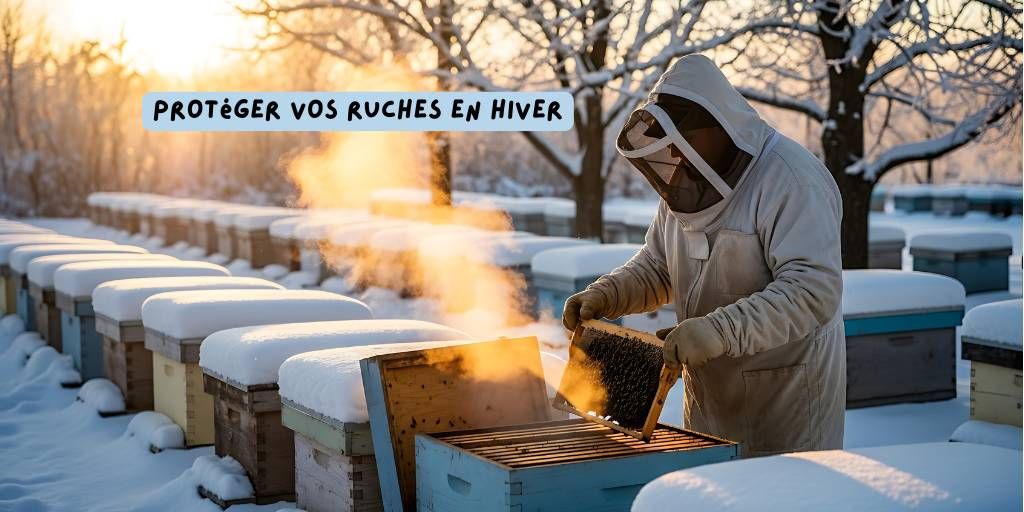
1. Effectively controlling varroa before and during winter
Why is varroa dangerous in winter?
Varroa remains the leading cause of colony mortality. In winter, bees form a cluster. The parasite then weakens the whole colony. Without suitable treatment, losses can be significant from the end of winter.
Symptoms and risks linked to varroa
An infested colony shows reduced activity, higher mortality and a delayed spring recovery. Varroa also transmits viruses, which worsens the health situation.
Recommended veterinary solution
Varromed is a recognised solution for winter varroa treatment. It works effectively when the hive contains little or no brood.
👉 See the product: Varromed – Varroa treatment for bees
Benefits:
- Targeted action against varroa
- Usable during winter
- Good tolerance by bees
- Ready-to-use treatment
2. Ensuring sufficient energy reserves
Why is winter feeding essential?
In winter, bees consume their reserves to maintain the warmth of the cluster. An energy deficiency leads to a gradual weakening of the colony.
Signs of a lack of reserves
A hive that is too light, unusually low activity or early mortality should alert the beekeeper.
Recommended nutritional solution
Bee’Full is an energy supplement specially formulated to support colonies in periods of stress and shortage.
👉 See the product: Bee’Full Plus – Nutritional supplement for bees
Benefits:
- Quick energy boost
- Supports winter vitality
- Promotes resistance to cold
- Easy to administer
3. Protecting the hive from cold and damp
Why is insulation important?
Excessive cold and damp weaken bees. A poorly insulated hive encourages disease and increases consumption of reserves.
Recommended good practices
- Install insulation on the crown board
- Raise the hive to avoid ground moisture
- Check ventilation without creating draughts
These simple steps clearly improve overwintering conditions.
4. Reducing stress and winter handling
Why limit interventions?
Every time a hive is opened, heat is lost. In winter, unnecessary handling stresses the bees and weakens the cluster.
Practical advice
Only check the weight and outer condition of the hive. Avoid any prolonged opening until milder temperatures return. If you do need to open it, Bee’Full Zen can be an alternative to your smoker.
👉 See the product: Bee’Full Zen – Smoker alternative
5. Preparing for an optimal spring recovery from winter onwards
Winter shapes spring
A colony well protected in winter starts up faster in spring. It builds a strong population and produces more honey.
Planning ahead with suitable products
Combining effective varroa treatment with nutritional support makes it possible to approach the following season in good health conditions.
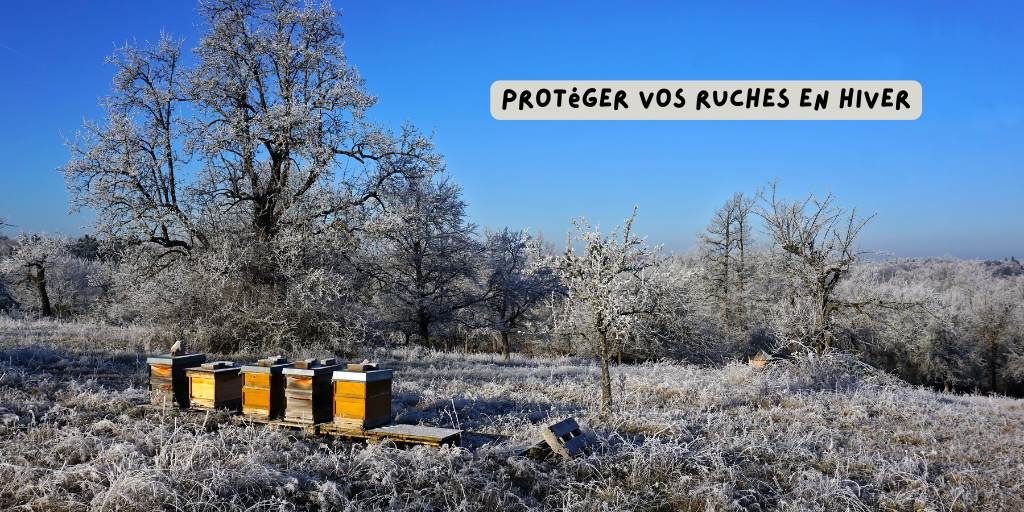
Frequently asked questions & FAQ on protecting hives in winter
Should varroa be treated in winter?
Yes, winter treatment greatly reduces parasite pressure. It protects the colony during a critical period and supports a better recovery in spring.
When should bees be fed in winter?
Feeding is done when reserves are insufficient. Checking the weight of the hives helps anticipate energy needs.
Can a hive be opened in winter?
It is best to limit openings. Any handling should remain exceptional in order to preserve the warmth of the cluster.
To find out more about hive care in winter
- Discover all our beekeeping products – produits-veto.com
- Find out about varroa – produits-veto.com
- Read our latest beekeeping article on the blog
- Also see How do bees keep warm in winter? – University of Tours


