Understanding equine summer dermatitis to better protect your horse

Cécile de Produits-Veto
Pharmacy technician ·

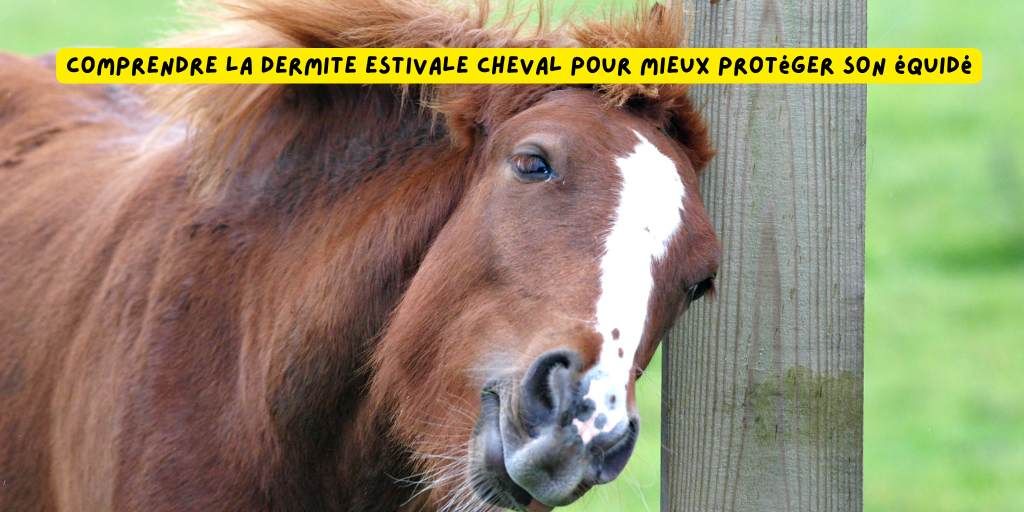
The sweet itch in horses is a common skin condition. It mainly appears in spring and summer. It causes intense itching. It can severely affect the horse's comfort.
This allergic dermatitis is caused by insect bites. It mainly involves Culicoides, small midges active at dusk. Some horses develop a hypersensitivity to their saliva.
Without prompt management, sweet itch can progress to serious lesions. Fortunately, several solutions exist to limit its impact.
Why is sweet itch important for the horse?
Sweet itch is a chronic condition. It can return every year. It usually starts between March and October.
The consequences can be significant:
- severe itching
- loss of mane and tail hair
- skin lesions
- secondary infections
- agitation and stress
- decline in general condition
In addition, a severely affected horse may change its behaviour. It becomes nervous. It sometimes loses weight. It may even injure itself through scratching.
Early management markedly improves quality of life.
Causes, symptoms and issues associated with sweet itch in horses
Sweet itch is an allergic reaction. It appears after bites from biting insects. The horse's immune system reacts excessively.
The most affected areas are:
- base of the tail
- mane
- back line
- belly
- withers
The typical symptoms are easy to recognise:
- intense itching
- skin crusts
- hair loss
- thickening of the skin
- open sores
- restlessness at pasture
Certain factors increase the risk:
- damp environment
- presence of stagnant water
- wooded pastures
- genetically sensitive horses
Prompt recognition of the signs therefore remains essential.
Recommended veterinary solutions for sweet itch in horses
Managing sweet itch in horses relies on several complementary actions.
Limiting exposure to insects
First, contact with Culicoides must be reduced:
- turn the horse out during the day
- bring the horse in at dusk
- install fans in the stable
- remove stagnant water
- use insect-repellent rugs
Applying suitable repellents then improves protection.
Soothing skin lesions
Local care remains essential:
- soothing lotions
- healing balms
- protective sprays
- dermatological shampoos
These products reduce itching. They promote skin repair.
Strengthening the skin barrier
Certain nutritional supplements support the skin:
- omega-3
- yeasts
- dermatological plants
They improve skin resistance over the long term.
Finally, veterinary follow-up is advisable in severe cases.

This spray reduces the bites responsible for flare-ups.
Main benefits:
- repels biting insects
- protects exposed areas
- improves comfort at pasture
- reduces the frequency of episodes
- simple and quick application
Regular use significantly improves prevention.

This balm works on weakened areas.
Main benefits:
- hydrates dry skin
- protects superficial lesions
- promotes healing
- strengthens the skin barrier
- suitable for sensitive areas
It effectively complements an overall strategy.

This nutritional supplement supports weakened skin during insect season.
Main benefits:
- strengthens skin quality
- improves skin resistance
- promotes mane and tail regrowth
- supports the skin barrier function
- helps limit seasonal sensitivity
It fits perfectly into a long-term prevention strategy.
Frequently asked questions about sweet itch in horses
How can you recognise sweet itch in a horse?
Sweet itch causes significant itching. The horse mainly rubs its mane and tail. Crusts appear quickly. The skin sometimes thickens. Hair loss is common. Symptoms often recur every spring. Early diagnosis helps avoid complications.
Is sweet itch in horses contagious?
No. Sweet itch is not contagious. It is an individual allergic reaction. It depends on the horse's sensitivity to insect bites. However, several horses in the same field may show similar symptoms. This is explained by their shared exposure to Culicoides.
Can sweet itch in horses be prevented?
Yes. Prevention relies on several simple measures. Exposure to insects must be limited. Repellents must be applied regularly. Insect-repellent rugs are effective. Early skin care also reduces the severity of flare-ups. An anticipatory strategy greatly improves the horse's comfort.
Does sweet itch in horses disappear in winter?
Yes. Symptoms generally disappear in winter. The insects responsible are no longer active. However, the sensitivity remains present. Flare-ups often reappear the following spring. Early prevention therefore remains essential every year.
To find out more
- Find all our horse products
- Learn more about insect repellents for horses
- Discover our article on how to feed a foal properly
- Read more about horse skin diseases with Virbac


