The Empire of Hornets: A Threat That's No Phantom for Our Bees

Cécile de Produits-Veto
Pharmacy technician ·

The Hive Rebels: How to Fight Back Against Asian Hornets and Protect Our Bees
Today, we take a close look at a species that is often misunderstood, yet essential: the hornet.
In the vast and complex galaxy of nature, every living being plays a crucial role in maintaining harmony.
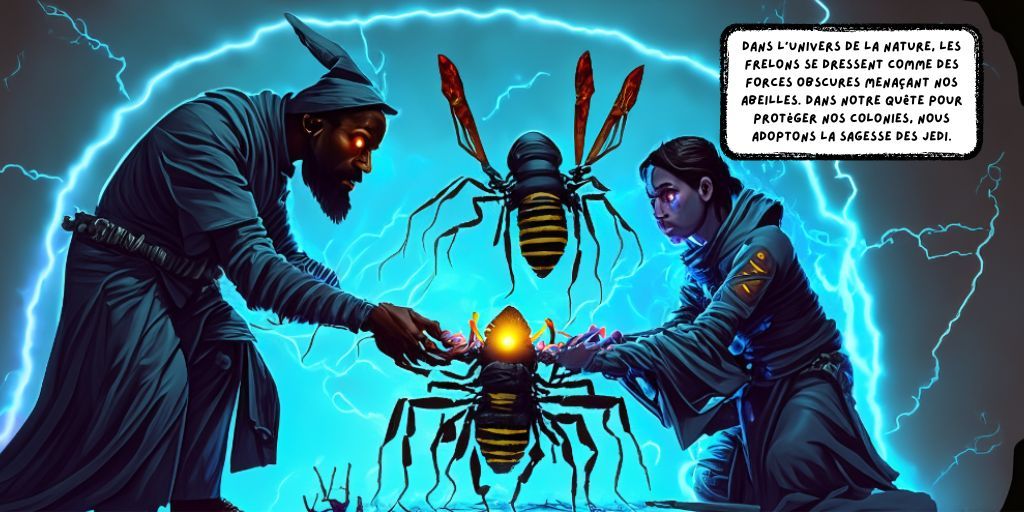
Just like the fearsome Sith, they exert a powerful influence on our ecosystem. However, eradicating them without discernment could lead to devastating consequences, much like the struggle between the Jedi Order and the Imperial Forces.
In this article, discover why they play a vital role in our ecosystem. Also learn how to understand and coexist with these creatures in order to protect our precious bees.
What is the difference between European and Asian Hornets?
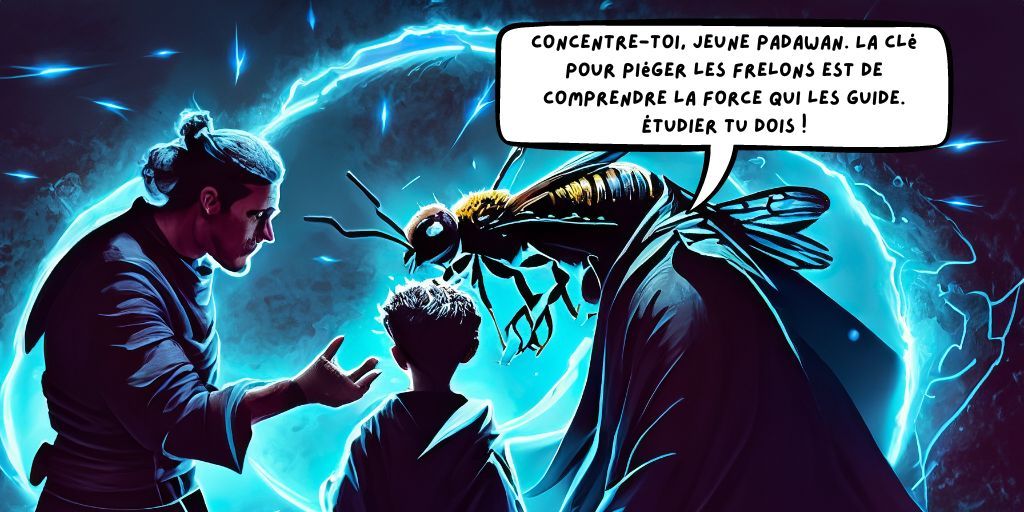
European hornets and Asian hornets differ significantly. European hornets, although impressive, play a more balanced role in the local ecosystem. Asian hornets on the other hand, are particularly aggressive predators of bees. Their rapid proliferation and their ability to wipe out entire bee colonies make them a priority threat.
Why not give in to the temptation of the Imperial Order?
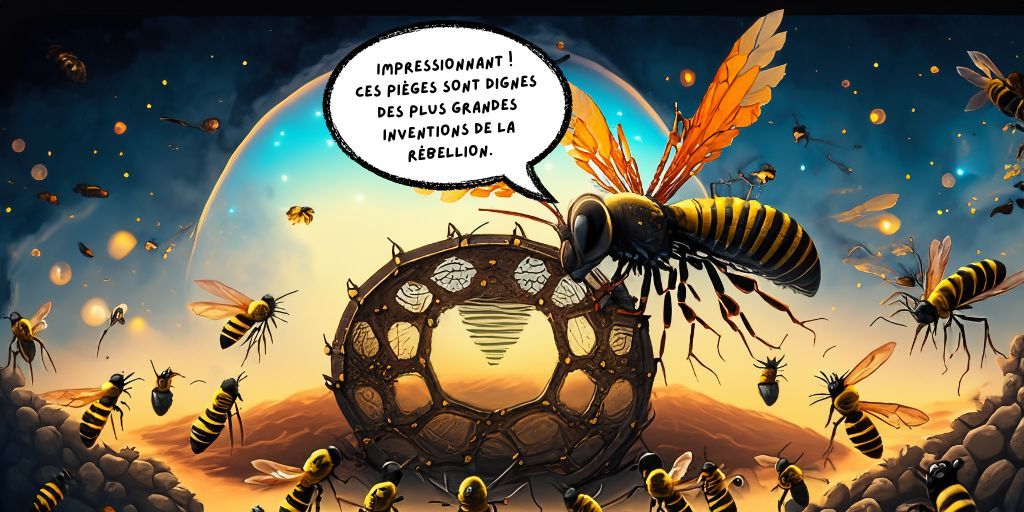
In our quest to protect our bees, the temptation to resort to radical measures against hornets is great. However, as the Jedi know, harmony lies in understanding and cooperating with all forms of life.
Although they may seem like enemies, hornets play a crucial role as natural regulators of insect populations. Eliminating them indiscriminately could disrupt this fragile balance.
Just like the fearsome Sith, hornets can become aggressive when they feel threatened. However, their aggression is often driven by the defence of their nest rather than by malicious intent. By understanding their behaviour and avoiding direct conflict, we can prevent unnecessary confrontations and promote peaceful coexistence with these creatures.
What attracts the hornet?

Hornets are attracted by certain invisible forces in our environment:
- Sweet smells
- Food waste
- Environments rich in insects
These are all lures for these predators.
Understanding what attracts them is essential for developing effective strategies for coexisting with and protecting our bees.
How does the hornet become a real threat?
The Asian hornet is a genuine threat to our bees. Like a Sith Lord, it has colonised vast territories, challenging bee populations and threatening the balance of our ecosystem. However, as in any battle, there is hope.
What is the best time to trap them?
The best time to trap Asian hornets is during the first 5 months of the year, more specifically between mid-February and mid-May. This is when the queens emerge from hibernation and start establishing new colonies. By catching them at this stage, you can significantly reduce their impact.
To manage the presence of Asian hornets without disrupting the natural balance, take a measured approach:
- Prevention: Avoid food sources such as food waste to discourage hornets.
- Selective traps: Use traps specially designed to catch Asian hornets without harming other insects.
- Measured intervention: In the case of a dangerous nest, call in professionals to remove it safely.
- Awareness: Inform and educate people about the importance of hornets in the ecosystem, fostering understanding and tolerance.
How can the rebels achieve victory through the power of traps?
Fortunately, like the rebel forces preparing to face the Empire, we are equipped with effective means to counter the hornet threat. Among these resources, we rely on traps specifically designed to catch these intruders, such as:

To maximise the effectiveness of these devices, it is essential to use baits specially formulated to attract hornets, such as:


These will be formidable weapons in our arsenal. For more information, you can visit the page of the laboratory BEEVITAL.
In this war for the survival of our bees, we must draw on the wisdom of the Jedi and the determination of the Rebels. By joining forces and using well-thought-out strategies, we can protect our precious bee colonies and preserve the balance of our ecosystem, like shining stars in a distant galaxy.


