Managing Stress and Anxiety in Horses: Tips and Solutions

Cécile de Produits-Veto
Pharmacy technician ·

Stress in horses: How can we help our equine friend?
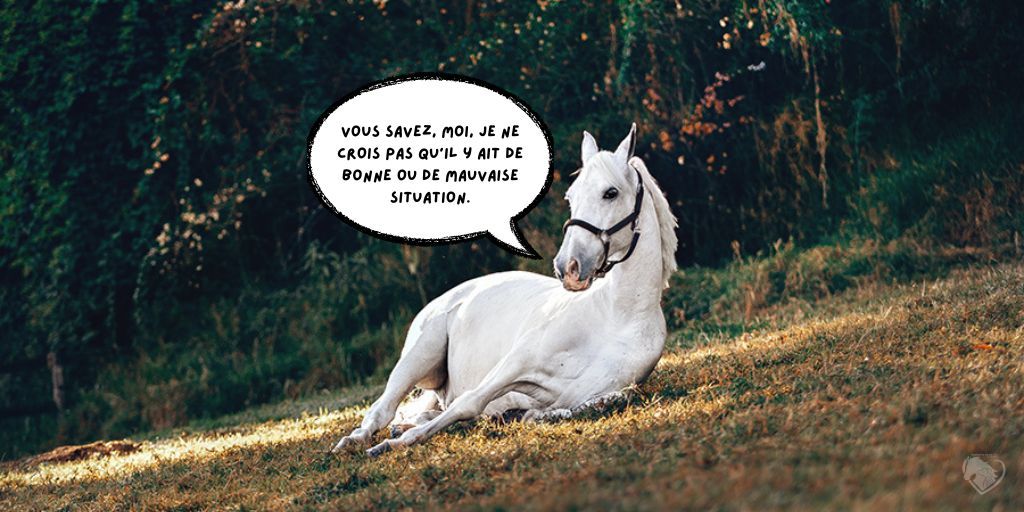
Stress in horses, as in dogs and cats, can have a significant impact. As we saw in our previous article, stress affects well-being and mental health. To ensure their fulfilment, it is crucial to recognise the signs of stress or anxiety. Identify the underlying causes. Put in place effective strategies to help them regain their serenity. Here is a practical overview to help your horse find peace of mind.
How can you recognise stress in a horse?
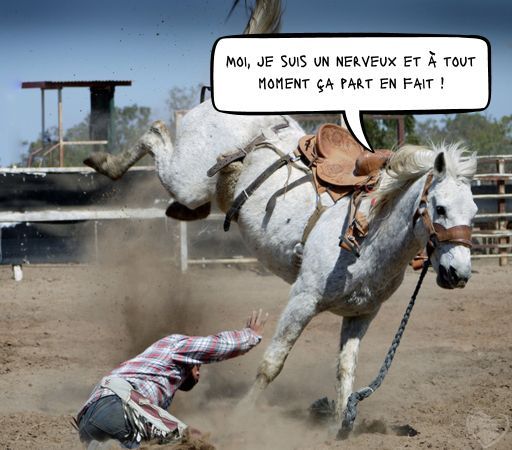
If the horse starts doing somersaults at the slightest rustle of a leaf, it may be a sign that it's taking life a bit too fast at the gallop! Here are a few signs to watch out for:
- Changes in behaviour: Increased nervousness, agitated movements or hyperactivity can indicate a state of stress in horses.
- Physical signs: Muscle tension, excessive sweating, or loss of appetite can also be indicators of stress in horses.
- Stereotyped behaviour: Repetitive behaviours such as cribbing or head weaving are often associated with chronic stress.
- Changes in social interactions: Isolation, aggressiveness towards other horses, or withdrawal from human interactions can signal distress.
In other words, when the horse starts practising aerial riding without saddle or rider, it's time to offer it an equine relaxation session!
What are the causes of stress in horses?
It's not because they're afraid that their manes aren't fashionable this season and their hooves aren't shiny enough for the equine spring ball…
- Unsuitable environment: A cramped space, unstimulating living conditions, or poor feed management can generate stress. This can lead to health problems such as gastrointestinal ulcers and lowered immunity.
- Physical pain: Health problems, such as muscle, joint or dental pain, can contribute to stress in horses. Chronic pain can lead to decreased performance, deterioration of general condition and increased irritability.
- Changes in routine: Travel, competitions or changes in training can disrupt the horse's emotional balance. This can result in decreased appetite, sleep disturbances and an increased risk of injury due to unpredictable behaviour.
- Social factors: Negative interactions with other animals or coercive training methods can also influence stress levels. This can lead to behavioural problems, decreased trust in humans and difficulties in social relationships with other equids.
In short, understanding the sources of stress in horses can be as tricky as trying to convince a pony to wear rain boots on a sunny day.
What are the risks of chronic stress?
Ah, chronic stress in horses, it's like a permanent fireworks display in their little equine brain! Picture them, galloping through the fields with clouds of anxious thoughts above their heads. "Did I eat my oat flakes properly this morning? Am I fast enough to escape that strange noisy thing in the corner of the paddock?" Honestly, being a modern horse is no walk in the park! They have their own versions of a midlife crisis and professional burnout, you know.
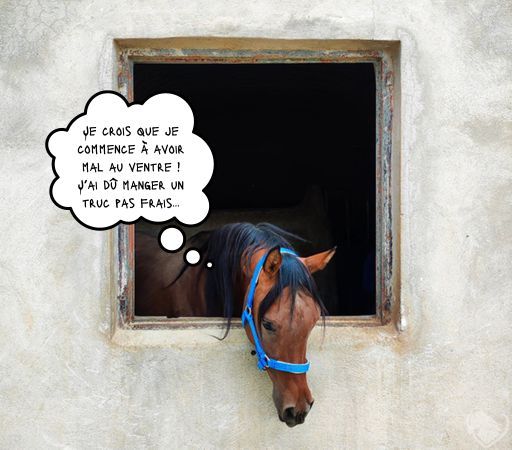
In short, chronic stress in horses can lead to increased production of gastric acid, which irritates the gastrointestinal mucosa and increases the risk of developing ulcers. Gastric ulcers can cause symptoms such as colic, loss of appetite, mood changes and decreased performance. Therefore, effective stress management is essential to prevent these serious health problems.
How can you de-stress a horse?
Organising an equine spa with oat massages, relaxing mud baths and a yoga session for trotters might be a solution, but let's start more simply…
- Provide a spacious, safe environment with access to pasture to promote well-being.
- Establish a stable routine to reduce anxiety and reinforce security.
- Use positive training techniques to build trust and reduce stress.
- Ensure veterinary follow-up to treat physical pain.
- Spend quality time to strengthen emotional bonds and boost emotional well-being.
- Use dietary supplements for horses specially designed to protect the stomach lining.
Discover our range of stress & behaviour solutions, such as the dietary supplement Ekygard+ – Protection gastrique – Acidité de l’estomac – Cheval – 2,4 kg – AUDEVARD
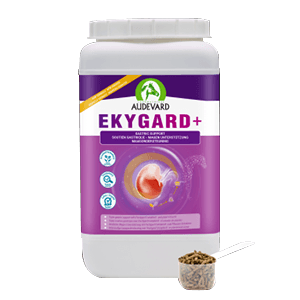
Thanks to its complete formula containing a new plant-based complex, it provides triple protection against gastric acidity. This is why it is recommended for racehorses in training, those being monitored for gastric ulcers, and medicated foals. Ekygard+ is an effective solution for protecting your equine companion's gastrointestinal health.
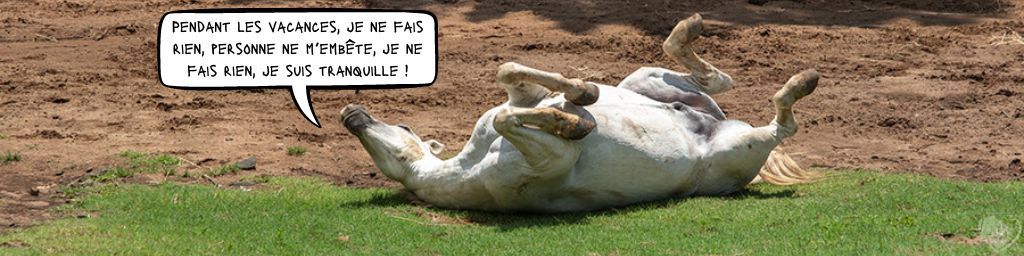
Remember that every horse is unique. As a result, an individualised approach is often necessary to meet its specific needs.
Understanding and managing stress in horses is essential. It ensures their well-being and performance. Identify the early signs of stress. Also identify the underlying causes. Then implement appropriate decompression strategies. In this way, you can help your equine companion lead a balanced and happy life.
If you have concerns about your horse's well-being, consult a veterinarian or an equine behaviour specialist. They will provide you with personalised advice.


