Cushing's syndrome in horses

Christelle de Produits-Veto
Pharmacy technician ·

Equine Cushing's Syndrome: Understanding the Disease and Acting Early
Equine Cushing's Syndrome: Recognising a Common Hormonal Disease in Older Horses
The equine Cushing's syndrome, also called PPID, is a common hormonal disease in older horses.
Thanks to advances in veterinary medicine, horses are living longer. As a result, certain age-related diseases are becoming more common. Cushing's syndrome is one of the most common conditions in senior horses.
This disease progresses slowly. The first signs often go unnoticed. Yet an early diagnosis greatly improves the horse's quality of life.
Understanding this condition therefore makes it possible to act quickly and effectively.
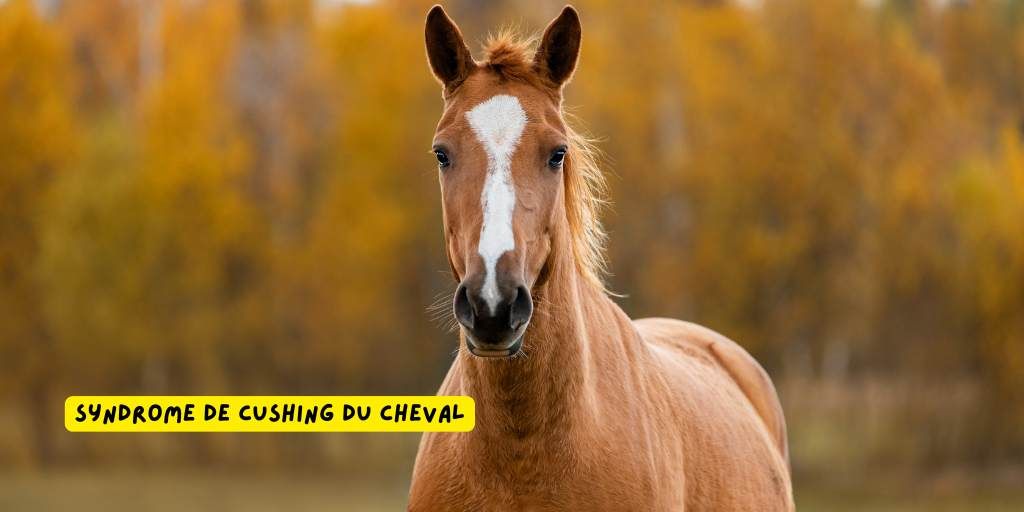
Understanding Equine Cushing's Syndrome Simply
Why Is Cushing's Syndrome Important for Senior Horses?
In a healthy horse, the brain regulates several hormones essential to the body's functioning.
These hormones control in particular:
- energy
- muscle mass
- immunity
- coat quality
- sugar metabolism
In a horse with Cushing's syndrome, a small gland located at the base of the brain functions less well. This is the pituitary gland.
This gland then produces too much of a hormone called ACTH. This excessive production then disrupts the entire metabolism.
Over time, several important functions of the body become unbalanced.
The Causes of Equine Cushing's Syndrome Explained Simply
With age, the production of a substance called dopamine gradually decreases.
Normally, dopamine acts as a natural brake on the pituitary gland.
When this brake disappears:
- the pituitary gland becomes too active
- ACTH increases
- cortisol also increases
This hormonal imbalance explains most of the symptoms seen in affected horses.
It is therefore a disease linked to brain ageing, and not a feeding error or a lack of care.
Symptoms of Equine Cushing's Syndrome to Recognise Quickly
Symptoms appear gradually. They can resemble normal signs of ageing. However, certain signs should raise concern.
The most common are:
Coat Changes
- late shedding
- long, thick coat
- curly coat
- woolly appearance
Physical Changes
- muscle wasting
- sagging belly
- progressive weight loss
Unusual Fatigue
- reduced activity
- slow recovery
- less energetic horse
Increased Water Consumption
The horse drinks more and urinates more often.
Recurrent Infections
For example:
- abscesses
- skin infections
- respiratory problems
Laminitis
It is one of the most important signs of equine Cushing's syndrome.
Why Is Laminitis Often Associated with Equine Cushing's Syndrome?
The hormonal imbalance alters sugar management in the body.
This disruption weakens blood circulation in the foot.
Result:
- inflammation of the hoof
- locomotor pain
- risk of recurrence
Preventing laminitis therefore becomes a priority in these horses.
How Is Equine Cushing's Syndrome Diagnosed?
Diagnosis relies on two main elements:
observation of symptoms
a blood test
The blood test measures ACTH levels.
However, this level varies according to:
- the season
- the time of day
This is why the vet may suggest a second confirmation test if necessary.
Diagnosis always relies on the full set of clinical results.
Recommended Veterinary Solutions for Treating Equine Cushing's Syndrome
The reference treatment relies on a molecule called pergolide.
It works by compensating for the drop in dopamine.
Its aim is to:
- reduce ACTH
- stabilise symptoms
- improve overall comfort
This treatment is given daily and must be continued for the rest of the horse's life.
Regular veterinary follow-up makes it possible to adjust the dose according to the progression of the disease.
Benefits of Veterinary Products Associated with Equine Cushing's Syndrome
Dietary supplements do not replace veterinary treatment. However, they significantly improve the daily management of affected horses.
Supporting the Hormonal Balance of Horses with Cushing's Syndrome
The supplement: Ekycush Control is specially formulated to support horses with PPID.
It provides:
- antioxidants useful for brain function
- selected plants to support hormonal regulation
- micronutrients favourable to metabolic balance
It is particularly recommended:
- during seasonal changes
- to support veterinary treatment
- in horses showing early signs
- in older horses for nutritional prevention
Used regularly, it helps stabilise the general condition of senior horses.
Supporting the Immunity of Senior Horses
The supplement Immuno RS supports:
- natural resistance
- recovery
- seasonal protection
In horses with Cushing's syndrome, immunity is often more fragile.
Limiting Muscle Wasting Linked to Ageing
The supplement Myostem Mass helps to:
- support muscle mass
- improve body condition
- support underweight horses
Strengthening Weakened Hooves and Limiting the Risk of Laminitis
The supplement Hoof Biotine helps to:
- improve horn quality
- support sensitive feet
- support horses prone to laminitis
Adapting the Lifestyle of a Horse with Cushing's Syndrome
Medication remains essential. However, daily management plays a major role.
Here are the key measures:
Adapt the Diet
Favour:
- quality hay
- low-starch feed
- limiting access to lush spring grass
Specific nutritional supplements such as Ekycush Control can support the hormonal balance during sensitive periods.
Check the Feet Regularly
Frequent trimming limits complications.
Maintain Regular Dental Care
Proper chewing improves general condition.
Follow Vaccination and Deworming Protocols
As the immune system is more fragile, these measures remain essential.
Clip if Necessary
In some horses, clipping significantly improves comfort in summer.
Frequently Asked Questions About Equine Cushing's Syndrome
Is Equine Cushing's Syndrome Common?
Yes. It affects around one in five horses after the age of 15. This frequency increases with age. It is now one of the most common hormonal diseases in senior horses.
Can a Horse with Cushing's Syndrome Continue to Work?
Yes. Many horses continue an adapted activity. It all depends on the stage of the disease and locomotor comfort. Regular veterinary follow-up makes it possible to adjust the work.
Can Equine Cushing's Syndrome Be Stabilised?
Yes. Even though the disease cannot be cured, appropriate treatment makes it possible to control the symptoms. Combined with strict dietary management, it greatly improves quality of life.
Should the Diet of an Affected Horse Be Changed?
Yes. A diet low in fast sugars limits metabolic complications and reduces the risk of laminitis.
To Learn More About Cushing's Disease in Horses
- Discover the horse health category
- Check out our new article: How to Choose an Energy Solution for Sport Horses?
- Visit the page of the Audevard laboratory


