Deworming horses: when to do it, how, and which solutions?

Cécile de Produits-Veto
Pharmacy technician ·

Everything you need to know about horse dewormers
A dewormer for horses is an antiparasitic treatment. It eliminates intestinal worms and other parasites that can infect your equine's digestive system. These parasites, such as strongyles, roundworms or tapeworms, can harm your horse's health. They cause digestive problems, weight loss, reduced performance, and in severe cases, fatal complications.
What is a dewormer for horses?
Horses are highly exposed to parasites because of their lifestyle. By grazing on pasture grass, they often ingest parasite eggs. To maintain your horse's health, performance and well-being, regular deworming is essential.
Why is it important to deworm your horse?
A well-planned deworming programme helps prevent diseases linked to parasites and ensures good nutrient absorption.
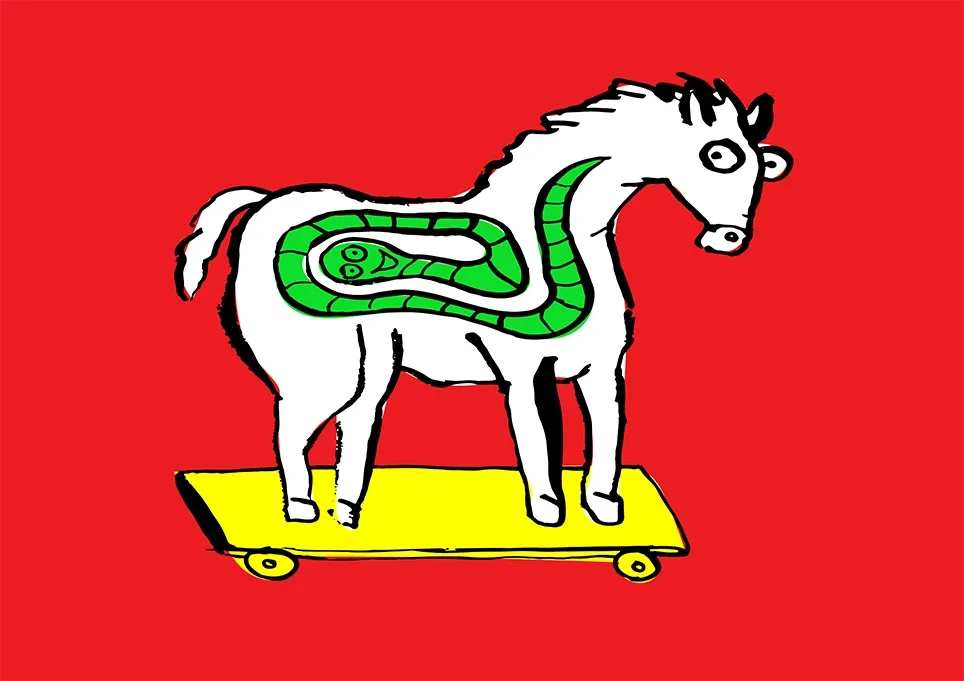
When should you deworm a horse?
The best time to deworm depends on several factors: the region, the climate and the horse's lifestyle (pasture or stable). In general, it is recommended to deworm horses at each change of season.
- Spring: After the thaw, to eliminate parasites that survived the winter.
- Summer: Due to the increase in parasites in pastures during hot weather.
- Autumn: Before winter arrives, to reduce the parasite load before the horse spends more time in the stable.
- Winter: Less frequent, but recommended in some regions for horses living outdoors.
What is the best dewormer for horses?
The best dewormer depends on the targeted parasites and each horse's specific needs. Parasitex is an ideal option for those who prefer a natural approach. Depending on your needs, other dewormers such as Ivermectin, Moxidectin or Praziquantel may be necessary for more targeted action against certain parasites. For these other treatments, you should contact your veterinarian, as these molecules are subject to prescription.
For more advice and products suited to your horses, discover our full range of horse dewormers.
It is always recommended to consult your veterinarian to establish a deworming programme suited to your horse, taking into account faecal analyses and the parasitic risks specific to your region.
How do you know if a horse has worms?
The signs of a parasitic infestation in a horse can vary, but some common symptoms include:
- Unexplained weight loss: Even with a good diet.
- Dull coat: Parasites can affect the quality of the coat.
- Diarrhoea or soft droppings: Indicating intestinal irritation.
- Swollen belly: Especially in young horses.
- Anaemia or lethargy: Caused by a heavy parasite load.
However, some horses show no visible symptoms. This is why it is important to carry out regular faecal analyses to detect parasites.
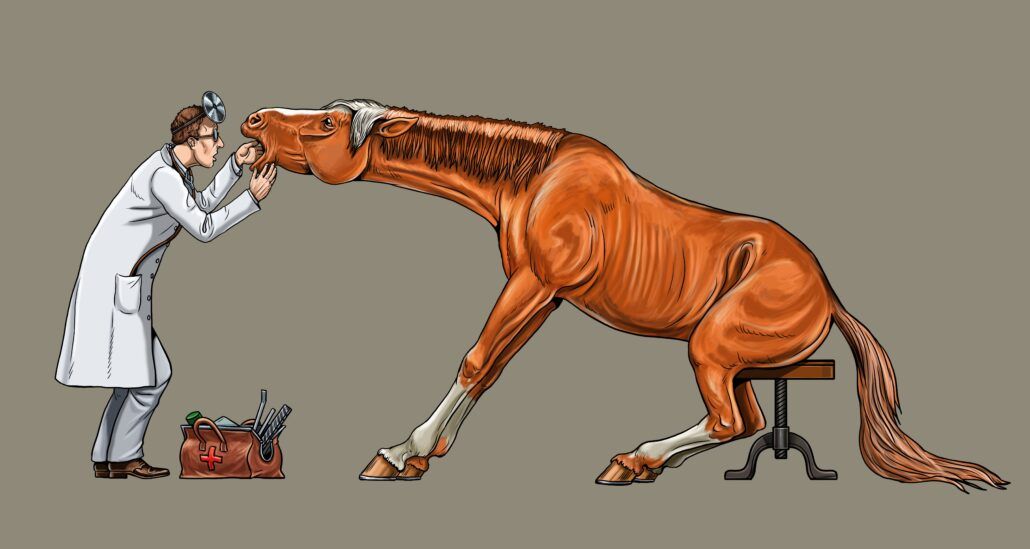
How often should a horse be dewormed?
The frequency of deworming depends on the horse's age, its environment and the risk of exposure to parasites. In general, deworm adult horses 3 to 4 times a year. For young horses (foals), more frequent deworming, every 2 to 3 months, may be necessary up to the age of 2 years.
Carrying out regular faecal analyses is essential to adjust the deworming programme. This helps avoid overusing dewormers, which could lead to parasites becoming resistant to treatments.
It is also essential to carry out regular faecal analyses to adjust the deworming programme, in order to avoid overusing dewormers, which could lead to parasites becoming resistant to treatments.
Regular, appropriate deworming is a key part of managing your horse's health. By following a seasonal programme and choosing the right dewormers, you will effectively protect your horse against internal parasites, ensuring its optimal well-being and performance.
To learn more about deworming your pets, check out our detailed articles on deworming dogs, deworming cats and deworming small pets.
Want to know more? You can also visit the website of the Mühldorfer group.


