The MDR1 Gene: The mutation has begun, get your paws moving!

Christelle de Produits-Veto
Pharmacy technician ·

Discover the MDR1 Gene Mutation: Understanding It to Better Protect Our Pets
We're about to take you into the fascinating world of genetics… Whoa, looks like we've already lost a few of you! Don't worry, we'll try to make it fun. Ready? Here we go!
What Is the MDR1 Gene in Dogs?
Get ready for a deep dive into the thrilling world of canine genetics, ladies and gentlemen! In this corner of the ring, we have the famous MDR1 gene, aka “Multi-Drug Resistance 1“, a star of our furry friends' DNA. This gene is like the bouncer at the party, controlling which substances get in and out of the cellular club. It's hard to picture it any more vividly than that.
What Is the MDR1 Gene Mutation?
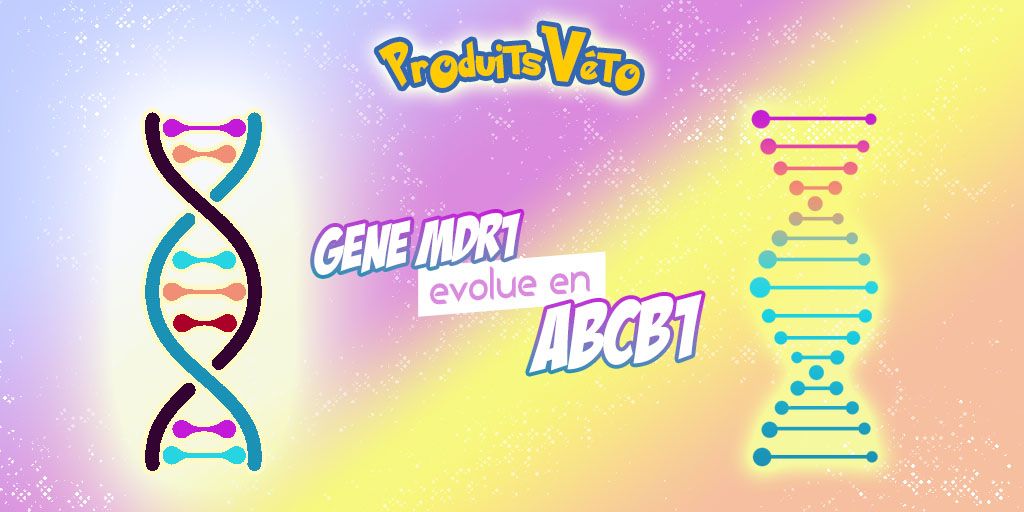
Isn't it getting exciting now that we're bringing in words like mutation. Careful, we're not talking about mutations like in the cartoon from your childhood, the Ninja Turtles. Picture the MDR1 gene doing a little genetic dance, and bam, here comes the mutation ABCB1. MDR1 evolves into ABCB1! A genetic transformation that mainly affects our trendy four-legged friends, like collies and Australian shepherds. This mutation produces the P-glycoprotein, the knight who rides out of the night to eliminate foreign substances from the body.
That's All Very Nice, But Why Does It Matter?

The way we've presented it to you, you might think genetics is all fun and games. Well, think again! Every good thing has its downside in this merciless universe!
This mutation can make your pups super sensitive to certain medications. Picture them in sunglasses, swaying to the rhythm of antiparasitics, painkillers and tranquilizers, but sometimes these medications aren't very nice to them. Unwanted side effects can show up, as if the party suddenly turned sour.
Want to Know If Lassie Is Affected?
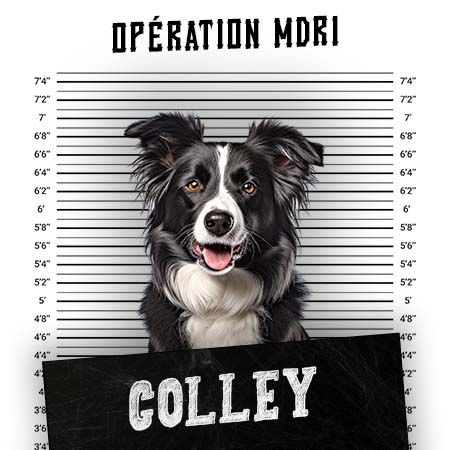
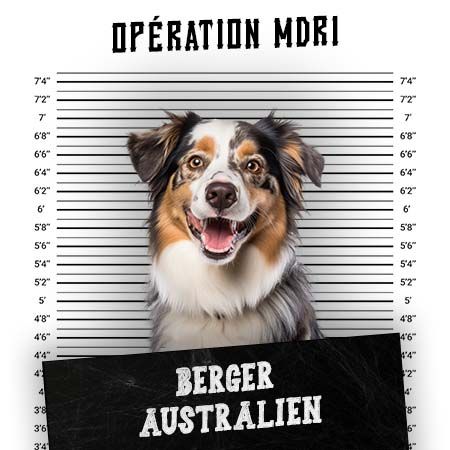
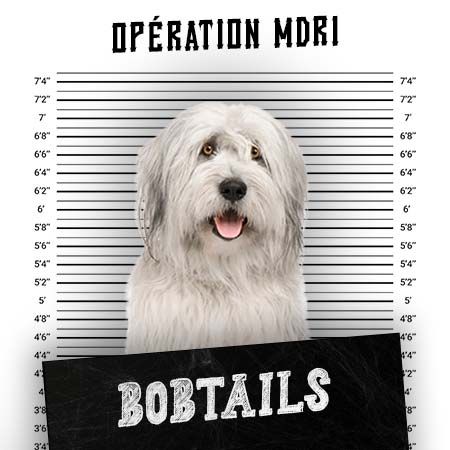
Lassie does indeed belong to one of the breeds prone to this gene, the Collies, but they're not the only ones. The following cousins are also affected by this predisposition: the Australian Shepherd, the Collie, the Border Collie, and unfortunately others. However, don't forget that all dogs could have a bit of this star gene hidden inside them.
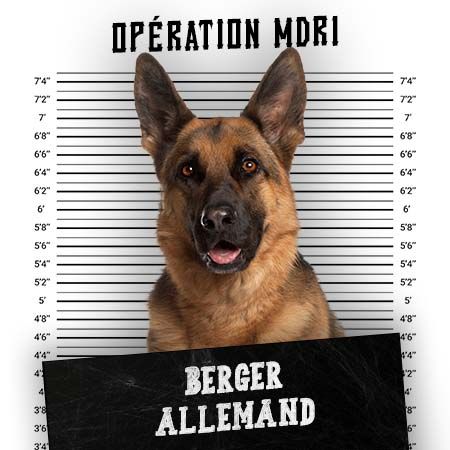
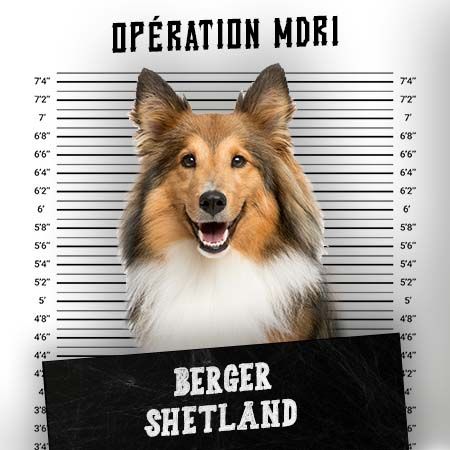
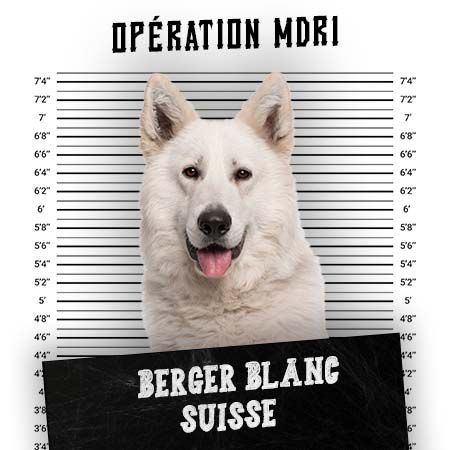
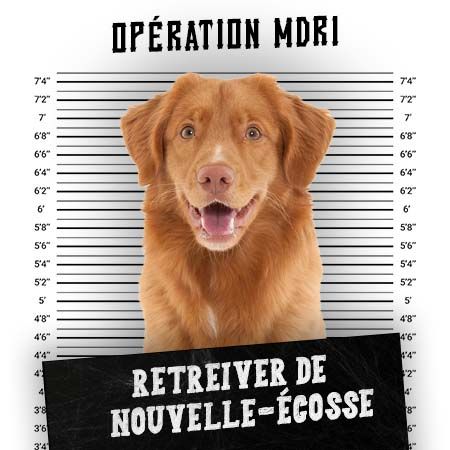
Want to Be Sure? Is My Pup Affected by This Mutation?
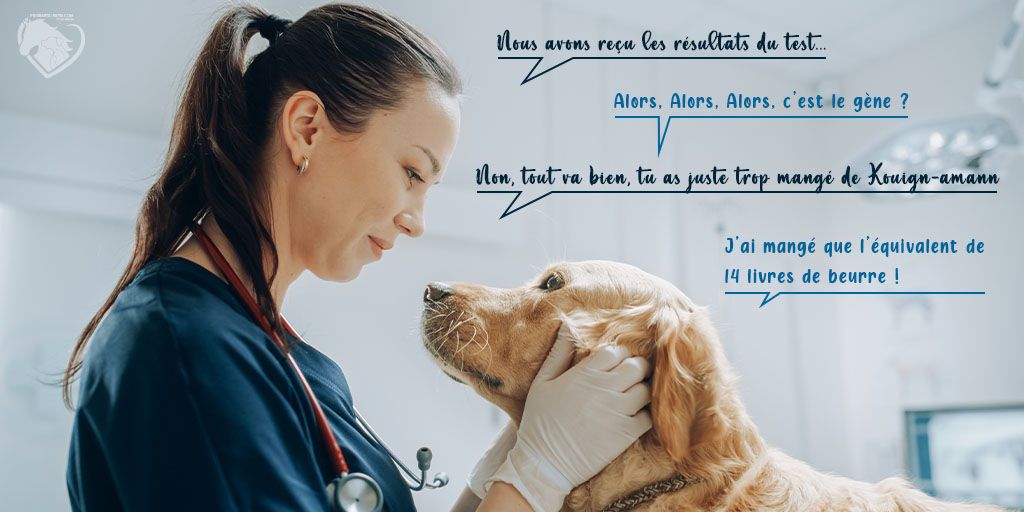
It's possible to have a genetic test done for that. You can do it at your beloved vet's, as if they were auditioning for a canine reality TV show. If your dog lands a role in the “ MDR1 Show “, your vet will know how to best adjust the treatments. Because, we'd like to remind you, we're not experts, just messengers — your vet remains the true authority in this story.
Specifically, What Are the Signs of This Mutation?
If your dog starts to breathe oddly, to vomit as if rehearsing a scene from a Shakespeare play, to have diarrhea as if competing for the kennel championship title, or if they show signs of pain or discomfort, it's time to play canine detective.
Contact your vet or a veterinary clinic, but don't try to play doctor for dogs at home. Be ready to give the details of the medication and the amount given, if possible.
My Dog Carries the MDR1 Mutation!
Quick reminder, you're not qualified to say whether your dog is a carrier or not. We know you love Doctissimo, but that doesn't make you a vet. That said, once you have confirmation that they're a carrier, you need to take a few precautions.
Treatments need to be adjusted for this mutation. Your vet is like a style advisor for dogs, except they won't tell you which outfit to choose, but they'll help you pick the safest and most suitable medications. One example, Milbemycin found in Milbemax, Milprazin or Milprazikan, isn't much of a friend to a mutated Super Pup.
So, share this crucial info so our four-legged friends can keep frolicking / dancing safely!


