Getting rid of varroa: how to protect your bee colonies long-term – 2-3 tips?

Cécile de Produits-Veto
Pharmacy technician ·

Getting rid of varroa is an essential step to guarantee the survival and vitality of your bee colonies. This dreaded parasite, Varroa destructor, attacks adult bees and brood, progressively weakening the hive while transmitting numerous viruses. Without intervention, an infested colony can collapse in just a few months.
In this article, discover how to fight varroa effectively, using natural, chemical or mechanical treatments, and how to prevent its spread through sound management of your hives. Produits-Veto.com also presents the recommended veterinary solutions to durably protect your apiary.
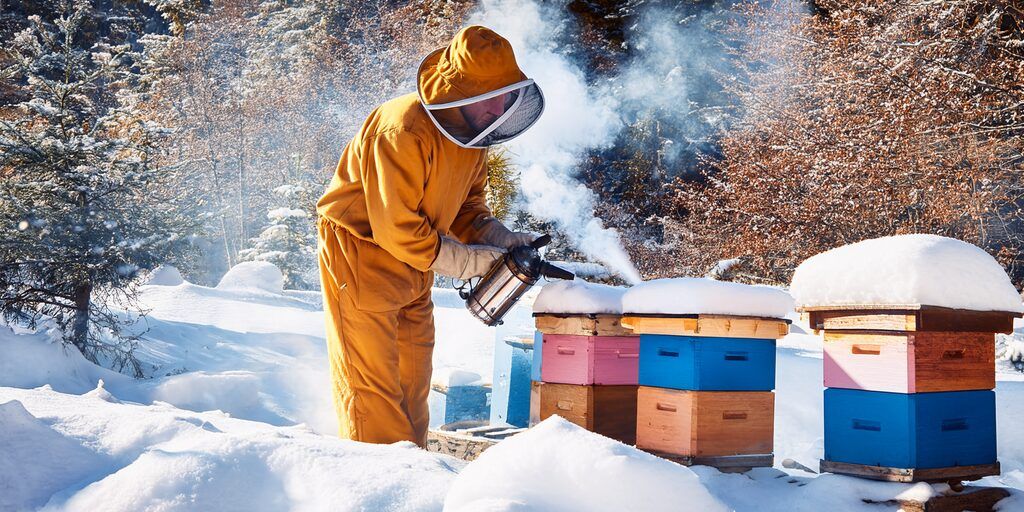
Why is getting rid of varroa crucial?
Varroa disrupts the biological balance of the hive. By feeding on haemolymph (the bees' "blood"), it weakens their immune system and facilitates the spread of viral diseases such as chronic paralysis or deformed wing virus. Bees then become less resistant, less productive and more vulnerable to temperature variations.
Getting rid of varroa therefore means:
- Reducing winter losses;
- Preserving the vitality of the brood;
- Maintaining good honey production;
- Preventing the parasite from spreading to other apiaries;
- Promoting sustainable, environmentally friendly beekeeping.
A healthy apiary is a balanced apiary. Fighting varroa is not just about treating: it means adopting a comprehensive health management strategy throughout the year.
When to get rid of varroa?
Treatment against varroa must be planned according to the parasite's biological cycle and the beekeeping seasons. By targeting the periods when the varroa population is most exposed, you considerably increase the effectiveness of treatments.
1. After the last harvest (August to September)
Right after the honey flow, once the honey has been extracted, is the ideal time to treat in order to get rid of varroa. Winter bees are developing at this stage, and it is essential that they are not contaminated. This post-harvest treatment is often the most important of the year.
2. In winter (December to January)
During this period, there is no brood. Varroa mites are then found exclusively on adult bees, which makes oxalic acid-based treatments particularly effective. This approach helps sustainably cleanse the colony before the spring restart.
3. As prevention throughout the year
Regular monitoring of the infestation rate allows you to act in time. Use counting boards to estimate the presence of varroa and adjust your interventions before it is too late.
How to get rid of varroa? The 3 strategies to know
1. Natural treatments (organic beekeeping)
Natural solutions are favoured by beekeepers wishing to practise environmentally friendly beekeeping. Based on plant or mineral substances, they help get rid of varroa without leaving residues in the honey.
The most commonly used products for getting rid of varroa are:


These natural treatments, available on Produits-Veto.com, contribute to sustainable beekeeping while maintaining effectiveness against the parasite.
2. Chemical treatments
More powerful, they require careful, controlled use. Some require a veterinary prescription and must be used while scrupulously following the dosages.
Most common active ingredients:
- Amitraz (Apivar);
- Flumethrin;
- Coumaphos.
To avoid the emergence of resistance, it is recommended to alternate molecules from one year to the next. These treatments are often an essential recourse when the infestation rate is high or when natural methods are no longer sufficient.
3. Mechanical methods
Mechanical approaches help limit parasitic pressure without systematically resorting to products. They are often complementary to natural or chemical treatments.
Among the most effective techniques for getting rid of varroa:
- Temporary caging of the queen to interrupt the brood cycle and weaken varroa reproduction.
- Removal of drone brood, often favoured by the parasite for its reproduction.
- Use of mesh floors and sticky boards to trap fallen varroa mites.
These methods require rigour but form part of an integrated pest management approach that is beneficial in the long term.
Check out our range of beekeeping products dedicated to beekeepers!
Prevention is better than cure: good beekeeping practices
Prevention remains the best weapon against varroosis. Regular health monitoring, well-ventilated hives and a young, productive queen help strengthen colony resilience.
Between treatments, remember to:
- Monitor the natural fall of varroa mites using counting boards;
- Renew the wax regularly;
- Maintain rigorous hygiene of beekeeping equipment;
- Promote the genetic diversity of your bees to strengthen their natural resistance.
Frequently Asked Questions – FAQ
Can varroa be completely eradicated?
No. The goal is not total eradication but sustainable control of the population. Ongoing monitoring remains essential.
Is it possible to treat without chemical products?
Yes, with natural solutions or mechanical methods. However, they require more monitoring and precision to remain effective.
Should all hives in an apiary be treated?
Absolutely. A single infested hive can quickly recontaminate the entire apiary. It is therefore crucial to treat all colonies simultaneously.
What is the best treatment against varroa?
There is no universal solution. The ideal approach is to combine and alternate methods according to the season, the state of the colonies and the level of infestation.


